
What Is Facial Nerve Palsy? Causes, Symptoms, and Treatment Options
Facial paralysis is one of the most significant neurological disorders, causing weakness or complete loss of movement in the facial muscles. It may develop suddenly or gradually, affecting not only facial appearance but also essential functions such as speaking, eating, closing the eyes, and expressing emotions. When one side of the face begins to droop, many people immediately suspect a stroke. However, in many cases, the underlying cause is damage to or inflammation of the facial nerve. Recognizing the symptoms of facial paralysis and seeking prompt medical attention are essential, as early diagnosis and treatment can significantly improve the chances of recovery. In some patients, facial nerve reconstruction may be required to restore facial movement and improve symmetry when the nerve has been severely damaged. In this article, you will learn about the causes, symptoms, diagnosis, and treatment options for facial paralysis.
What Is Facial Nerve Palsy?
Facial nerve palsy occurs when the seventh cranial nerve (facial nerve) is unable to transmit nerve signals to the facial muscles. As a result, the muscles on one side of the face—or, in rare cases, both sides—become weak or completely paralyzed.
The facial nerve is responsible for controlling most facial movements. Inflammation, compression, stretching, or tearing of this nerve can disrupt communication between the brain and the facial muscles, leading to the symptoms of facial nerve palsy.

The severity of the condition varies from person to person. Some individuals experience only mild facial weakness, while others lose all movement on one side of the face. Recovery also depends on the underlying cause of the nerve injury and may take anywhere from a few weeks to several months or even longer.
What Are the Functions of the Facial Nerve?
To better understand facial nerve palsy, it is important to understand the role of the facial nerve. This nerve originates from the brainstem and passes through the temporal bone before dividing into several branches, each of which controls a different group of facial muscles.
The facial nerve is responsible for:
Moving the forehead and eyebrow muscles
Closing the eyelids and protecting the eyes
Controlling the lips and cheeks
Smiling, laughing, and frowning
Assisting with clear speech and pronunciation
Preventing saliva leakage
Carrying taste sensation from the front portion of the tongue
Controlling part of the tear and salivary glands
Because of these important functions, injury to the facial nerve affects not only facial appearance but also many essential daily activities.
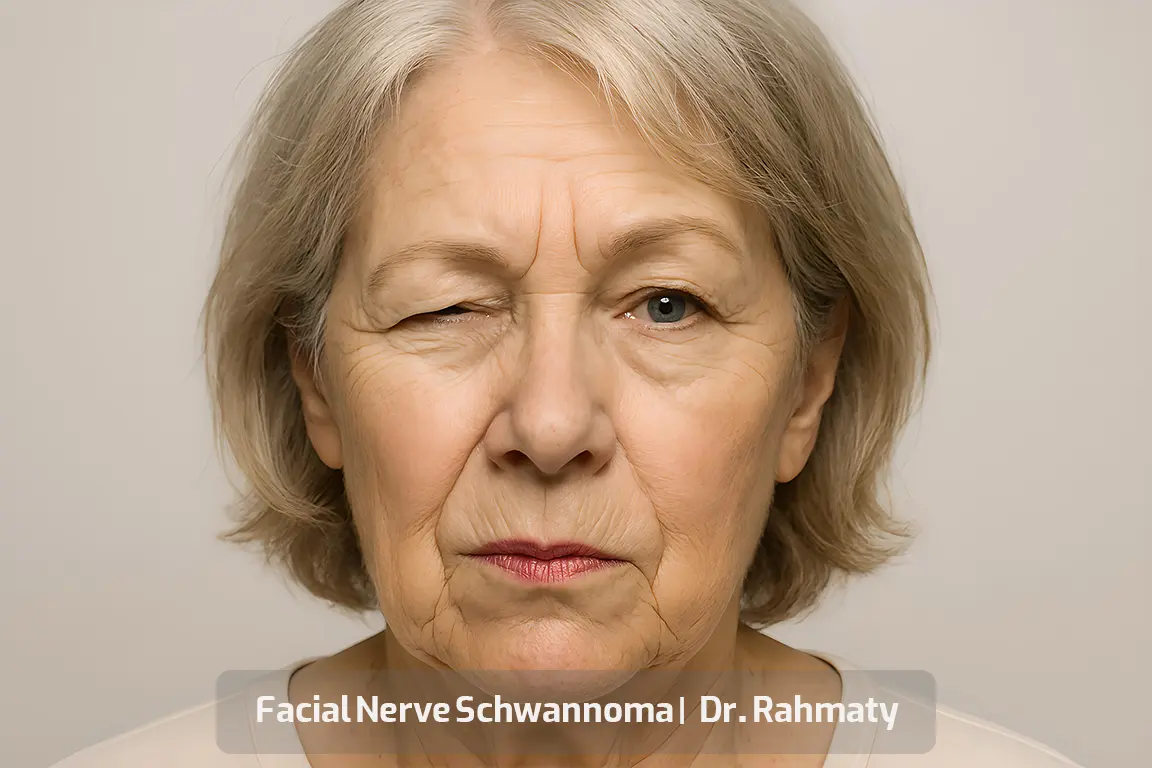
What Are the Symptoms of Facial Nerve Palsy?
The symptoms of facial nerve palsy vary depending on the severity of nerve damage and its underlying cause. However, they usually affect only one side of the face and may progress over several hours or days.
Drooping on One Side of the Face
The most common symptom is drooping of the corner of the mouth, cheek, or eyelid. This creates noticeable facial asymmetry, especially while speaking or smiling.
Inability to Close the Eye
Patients may be unable to completely close the eyelid on the affected side. This can lead to dry eye, irritation, excessive tearing, and, if left untreated, corneal damage.
Difficulty Smiling and Making Facial Expressions
Weakness of the muscles around the mouth causes only one side of the face to move during smiling, resulting in an uneven facial appearance.
Difficulty Speaking and Eating
Weakness of the lips and cheek muscles may make certain words difficult to pronounce and can cause food to collect inside the cheek or liquids to leak from the mouth while eating or drinking.
Other Symptoms
Some patients may also experience:
Reduced sense of taste | Mild pain around the ear | Increased sensitivity to sound | Excessive tearing or dry eyes
Any sudden facial drooping should be taken seriously because, in addition to facial nerve palsy, it may also indicate a stroke and requires immediate medical evaluation.

What Causes Facial Nerve Palsy?
The cause of facial nerve palsy is not the same in every patient. Various conditions can damage the facial nerve, and identifying the underlying cause plays a crucial role in selecting the most appropriate treatment.
Bell’s Palsy
The most common cause of facial nerve palsy is Bell’s palsy. In this condition, the facial nerve becomes inflamed and swollen as it passes through the narrow facial canal within the skull. The condition usually develops suddenly, and with appropriate treatment, many patients recover within a few weeks to several months.
Viral Infections
Viruses such as Herpes Simplex Virus (HSV) and Varicella-Zoster Virus (VZV) can inflame the facial nerve and cause facial paralysis. Prompt treatment of the infection improves the likelihood of nerve recovery.
Trauma and Injury
Motor vehicle accidents, temporal bone fractures, sports injuries, and head and neck surgeries can stretch, crush, or sever the facial nerve. In severe cases, patients may require facial nerve repair or facial nerve reconstruction surgery.
Tumors
Certain tumors involving the parotid gland, acoustic nerve, or skull base may compress the facial nerve and cause facial muscle weakness. In some cases, reconstructive surgery becomes necessary after tumor removal to preserve or restore facial nerve function.
Stroke
Although a stroke does not directly damage the facial nerve, it can affect the brain pathways responsible for controlling facial muscles. Therefore, sudden facial drooping should always be treated as a medical emergency until stroke has been ruled out.
Other Causes
Other conditions that may increase the risk of facial nerve palsy include:
Diabetes | Pregnancy | Autoimmune diseases | Certain infections | Lyme disease | Guillain-Barré syndrome | Congenital abnormalities

What Is the Difference Between Facial Nerve Palsy and Stroke?
One of the greatest concerns for people who experience sudden facial drooping is whether they are having a stroke. Although both conditions can cause facial asymmetry, they differ significantly in their causes, symptoms, and treatment.
In facial nerve palsy, the seventh cranial nerve itself is damaged. As a result, the muscles on one side of the face are usually affected. In addition to drooping of the corner of the mouth, patients typically have difficulty raising the eyebrow and completely closing the eye on the affected side.
In contrast, a stroke affects the brain rather than the facial nerve. As a result, the forehead muscles often remain functional. Stroke commonly causes symptoms such as arm or leg weakness or numbness, speech impairment, double vision, severe dizziness, or decreased consciousness. In contrast, isolated facial nerve palsy typically does not cause these symptoms.
However, only a physician can make a definitive diagnosis. Treat any sudden facial drooping as a medical emergency and seek immediate medical evaluation.
How Is Facial Nerve Palsy Diagnosed?
The diagnosis of facial nerve palsy begins with a detailed medical history, a thorough examination of the facial muscles, and an assessment of the possible cause of the nerve injury. The physician evaluates when the symptoms began, how quickly they progressed, and whether the patient has a history of underlying diseases, infections, trauma, or previous surgeries.
During the physical examination, the patient is asked to raise the eyebrows, close the eyes, smile, puff out the cheeks, and show the teeth. These movements help determine the severity of facial nerve dysfunction.
If necessary, additional diagnostic tests may include:
MRI or CT scan to evaluate tumors, stroke, or bony injuries.
Electromyography (EMG) to assess the severity of nerve damage and the likelihood of nerve recovery.
Blood tests if infections, inflammatory disorders, or autoimmune diseases are suspected.
An accurate diagnosis of the underlying cause is essential for choosing the most effective treatment plan.
How Is Facial Nerve Palsy Treated?
Treatment depends on the underlying cause of facial nerve palsy and the severity of the nerve injury. While some patients recover with medication alone, others require rehabilitation or surgery.
If Bell’s palsy is the cause, treatment usually begins with corticosteroids. Starting treatment within the first 72 hours can significantly increase the likelihood of complete recovery. In some patients, antiviral medications may also be prescribed.
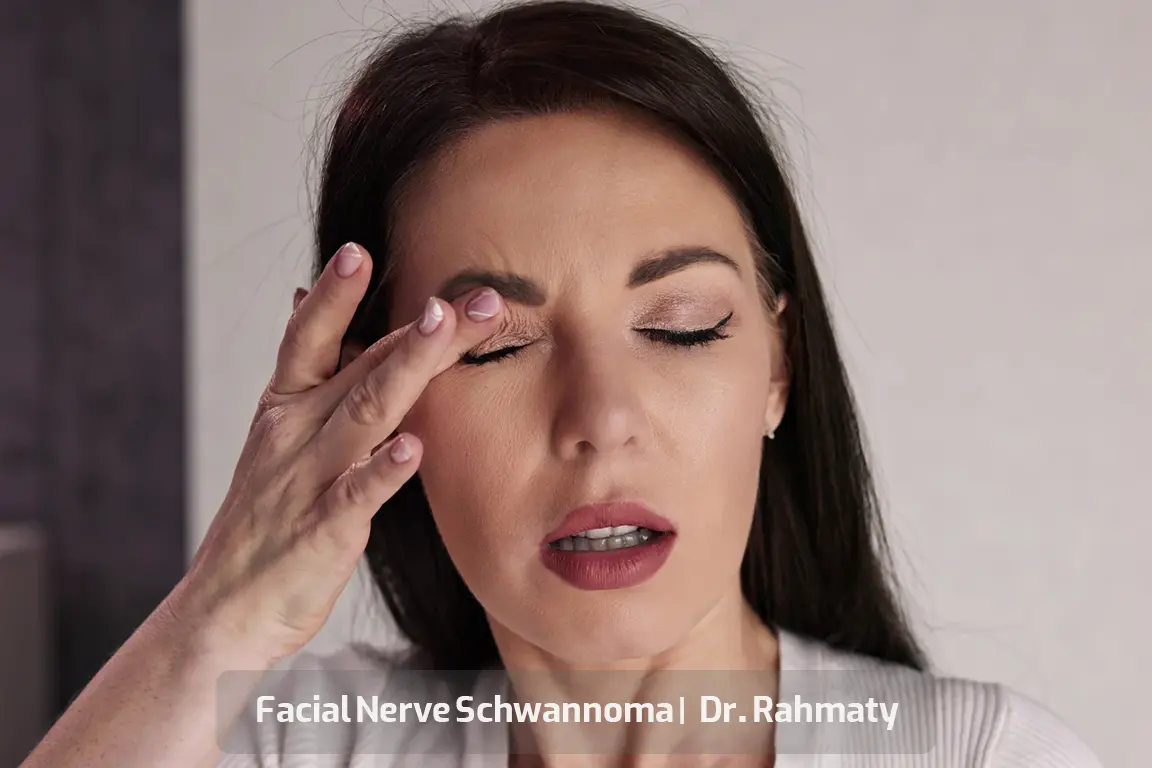
Since many patients are unable to close the affected eye completely, protecting the cornea is extremely important. Artificial tears, lubricating eye ointments, and taping the eyelid closed during sleep help prevent eye damage.
After the acute phase, facial physical therapy helps restore normal muscle function. Specialized facial exercises also reduce the risk of involuntary facial movements.
Patients with a severed facial nerve may require surgery. Trauma, tumor removal, or previous surgery can cause this injury.
Facial nerve reconstruction surgery or other reconstructive procedures may provide the best treatment option. These procedures restore communication between the facial nerve and facial muscles. They also improve facial symmetry and help recover natural facial movement.
Does Facial Nerve Palsy Always Recover?
The prognosis of facial nerve palsy depends on the underlying cause, the severity of the nerve injury, and how quickly treatment begins. Many patients with Bell’s palsy, especially those who begin treatment within the first few days, experience significant recovery within several weeks to a few months.
However, when the facial nerve has been severely damaged or completely severed, spontaneous recovery may not occur. In these cases, patients may require specialized treatment or reconstructive surgery to regain facial muscle function.
For this reason, seeking medical attention immediately after noticing symptoms of facial paralysis is one of the most important factors in achieving a successful outcome.
Conclusion
Facial nerve palsy is one of the most common peripheral nerve disorders and may result from inflammation, infection, trauma, tumors, or certain neurological conditions. In addition to altering facial appearance, it can interfere with speaking, eating, closing the eyes, and expressing emotions.
Recognizing the symptoms of facial nerve palsy and seeking prompt medical evaluation are essential. They help identify the underlying cause and guide appropriate treatment.
Today, advances in medical therapy, eye care, rehabilitation, and reconstructive surgery have improved treatment outcomes. Many patients can regain a significant portion of their normal facial function.
Diagnosis and Treatment of Facial Nerve Palsy with Dr. Benjamin Rahmati
Accurately identifying the cause of facial nerve palsy is the first and most important step in selecting the appropriate treatment. Dr. Benjamin Rahmati, with extensive expertise in head and neck diseases and surgery, carefully evaluates patients with facial paralysis and develops an individualized treatment plan based on the underlying cause, the severity of nerve damage, and each patient’s specific condition.

When reconstructive procedures or facial nerve reconstruction surgery are required, the primary goals are to restore facial muscle function, improve facial symmetry, and enhance the patient’s quality of life.