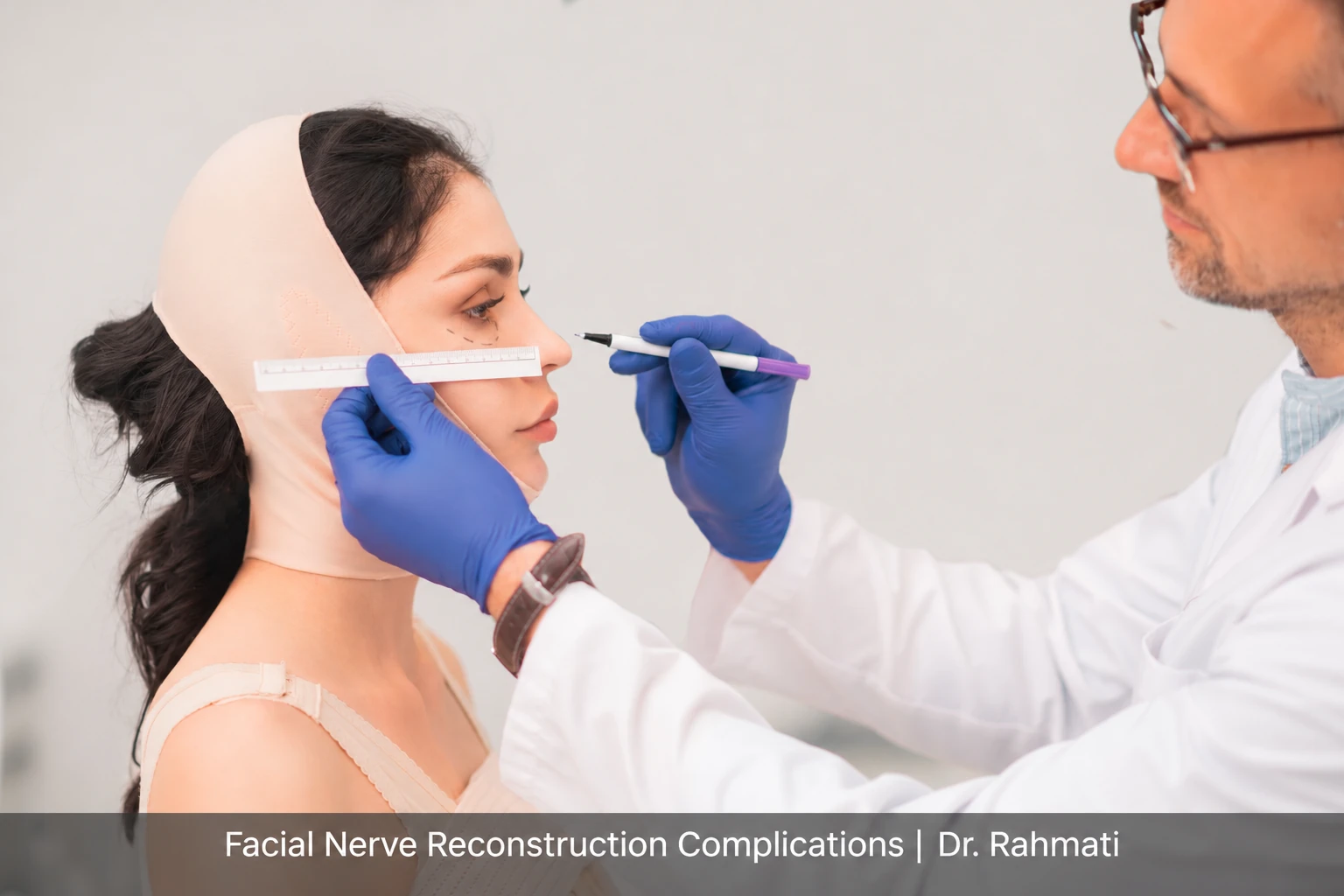
Facial nerve reconstruction complications can affect the wound, the area where a graft was taken, or the movement that returns as the nerve heals. These problems do not follow the same timetable. A wound may heal before the face shows any new movement, and slow movement recovery does not by itself prove the repair has failed. Knowing what your operation is intended to do makes it easier to ask about specific risks and recognize changes that deserve attention.
What does the operation repair?
Direct repair brings the two ends of a divided nerve together when this can be done without excessive tension. A nerve graft can bridge a gap. A nerve transfer uses a different source of motor signals to supply a facial muscle that can still respond. A free functional muscle transfer supplies a new muscle and has separate risks involving its blood supply. Ask the surgeon to show which nerve or muscle the proposed operation will use and which movement it is intended to improve.
The guide to facial paralysis surgery complications and treatment choices compares goals such as eye protection, lip control and smiling. The procedure chosen to improve the corner of the mouth may not improve eyelid closure. Agree on a separate plan for any function that the proposed repair does not address.
static and dynamic facial reanimation

DΛVΞ GΛRCIΛ / Pexels · Pexels License
Facial nerve reconstruction complications at the surgical site
Some pain, swelling and bruising can occur early. The expected degree and duration vary with the operation. Pay attention to the direction of change rather than trying to judge the wound from a single photograph. Increasing redness, worsening pain, fever, drainage or separation of the wound edges warrant contact with the surgical team. A rapidly enlarging swelling needs urgent assessment, particularly if it affects breathing or involves the neck.
A scar can feel firm or sensitive while it heals. Its appearance depends on the incision, previous operations and individual healing. Ask when scar care can start; advice for a healed scar does not apply to an open or draining wound. If you have a dressing or drain, ask for written instructions on care, removal and whom to contact outside clinic hours. Do not remove or adjust these unless your team has shown you how and asked you to do so.
Problems where a graft or muscle was taken
Taking a sensory nerve for a graft may leave a patch of changed sensation, tingling or discomfort. The location depends on the donor nerve. Before surgery, ask where the incision will be and what change in sensation the surgeon expects. If a motor nerve is used for transfer, ask what function it ordinarily serves and what changes might follow using part of it for reconstruction. The answers are specific to the nerve being used.
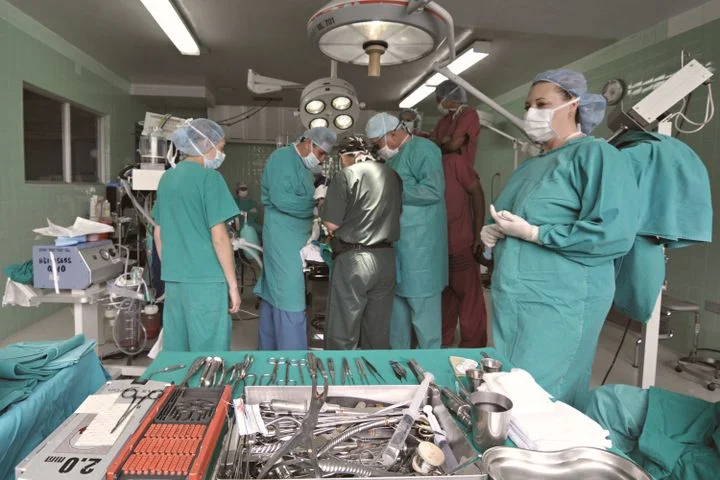
A free muscle transfer creates another surgical site. If the gracilis is taken from the thigh, the thigh wound and scar need follow-up as well as the face. Ask when you can walk, resume heavier activity and return to work. The team also monitors blood flow to the transplanted tissue. Problems with circulation can require urgent treatment. Learn which signs to report and which team will assess them once you are home.
Why useful movement may take time
Restoring nerve continuity is not the same as restoring movement. Nerve fibers must reach a muscle that can still respond. The distance, type of injury and condition of the muscle influence recovery. Pain and swelling can also limit early movement. In a clinical series of acute facial nerve repairs, residual weakness was seen despite attempts to restore continuity. The series cannot tell you precisely how much movement you personally will regain.
The first movement may be small and visible only during one task. Your team can explain what they plan to look for and when. If they recommend video, record the same movements under similar lighting, from the same angle, rather than comparing your strongest effort on different days. If progress differs from the expected course, the next step may be a new examination or selected testing. Delay alone does not establish that another operation is needed.
When movements return together
An eye that narrows while you smile, or a mouth corner that moves when you close the eye, can be a sign of synkinesis. This means an intended movement is accompanied by an unwanted one. It can develop during recovery after nerve injury even without reconstruction. Tell your clinician which action triggers the change. An examination can help separate unwanted contraction from weakness or tight tissue, which may need different treatments.

The international clinical recommendations on facial synkinesis describe specialist facial retraining and botulinum toxin injections, with surgery reserved for selected patients. More forceful exercise is not necessarily helpful when the difficulty is separating movements. Ask your therapist which movement to practice and whether you should pause or modify an exercise if it repeatedly causes the eye to close or the cheek to tighten.
Fernando Capetillo / Pexels · Pexels License
Eye closure needs a separate plan
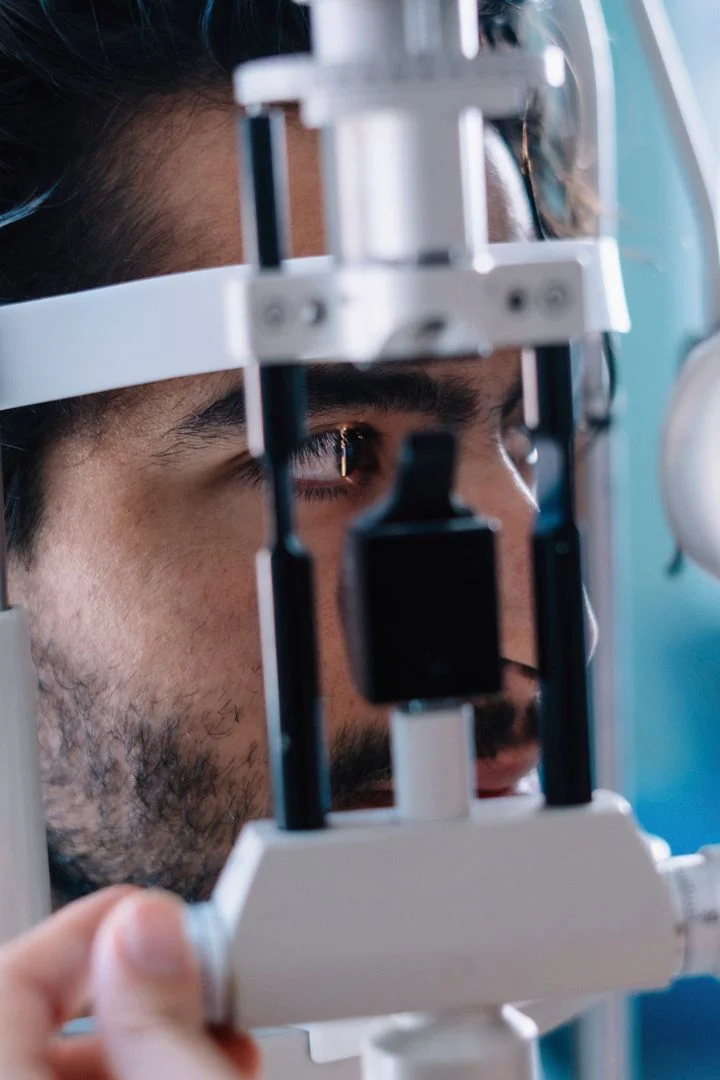
If the eyelid does not close fully, protecting the ocular surface should not wait for the smile to return. Ask the team for instructions tailored to your eye, including whether you need an ophthalmology assessment. Lubricating drops, ointment or overnight protection may be recommended. The Wessex Facial Nerve Centre explains the need for eye protection when closure is incomplete.
Eye pain, marked redness, sensitivity to light or a change in vision deserves prompt assessment. Note whether closure is different when you are awake and asleep, and when discomfort is greatest. Your observations are useful, but they do not replace an examination of the cornea. Even if the face is starting to move, ask before changing an established eye-care plan.
Which signs should you report?
Follow the discharge instructions from your own team. Report unexpected increases in pain or swelling, spreading redness, fever, discharge or a wound that opens. Breathing difficulty or rapidly increasing neck swelling requires emergency care. Sudden new facial droop with arm weakness or trouble speaking also requires emergency assessment. Do not assume that these symptoms are simply a consequence of your previous operation.
For a nonurgent call, describe when the change began, how fast it has progressed and whether you also have fever, pain or changes in eye symptoms. If you are asked for a photo, take it in good light without manipulating the wound. Ask whether you need an in-person visit and what to do if things worsen while you are waiting.
Plan the follow-up before going home
Ask for dates for the wound check and the first meaningful movement assessment. These may be different visits. Agree on two or three practical outcomes, such as less spilling from a cup, easier eye closure at night or a small change in the corner of the mouth. If you live far from the surgical centre, clarify which checks can be arranged locally and how the findings will reach the team that performed the operation.

Before discussing a revision, ask what problem the revision is intended to solve. Improving a tight scar, supporting a poorly positioned eyelid and addressing weak muscle activation are different aims. A change in therapy, protection of the eye or more observation may be more appropriate than surgery for some problems. What matters is whether the proposed next step addresses the reason the result is falling short.
Document your baseline before the operation
Ask the team to record eyelid closure, mouth movement, and any altered sensation in an area that may be used to supply a graft. Mention dryness, tightness or tingling that is already present. That gives you and the clinician a clearer point of comparison if symptoms change. Share a list of medicines and supplements, as well as details of previous surgery or radiation. Ask for clear instructions if medicines need to change, rather than stopping them yourself.
If you travel for the operation, discuss where you can have a wound or eye examination once you return home and how the report should reach your surgeon. Give your discharge instructions to the person helping you during the first days at home. If a problem comes up, it helps to know which clinician can assess it and which changes should bring the appointment forward.
Conclusion
Wound healing, donor-site recovery and return of controlled movement should be assessed separately. Discuss risks specific to the planned repair, protect the eye if closure is incomplete, and know whom to call if symptoms change. A follow-up plan with clear milestones gives you a better way to judge progress than comparing your recovery with another patient’s.


