Facial Nerve Grafting
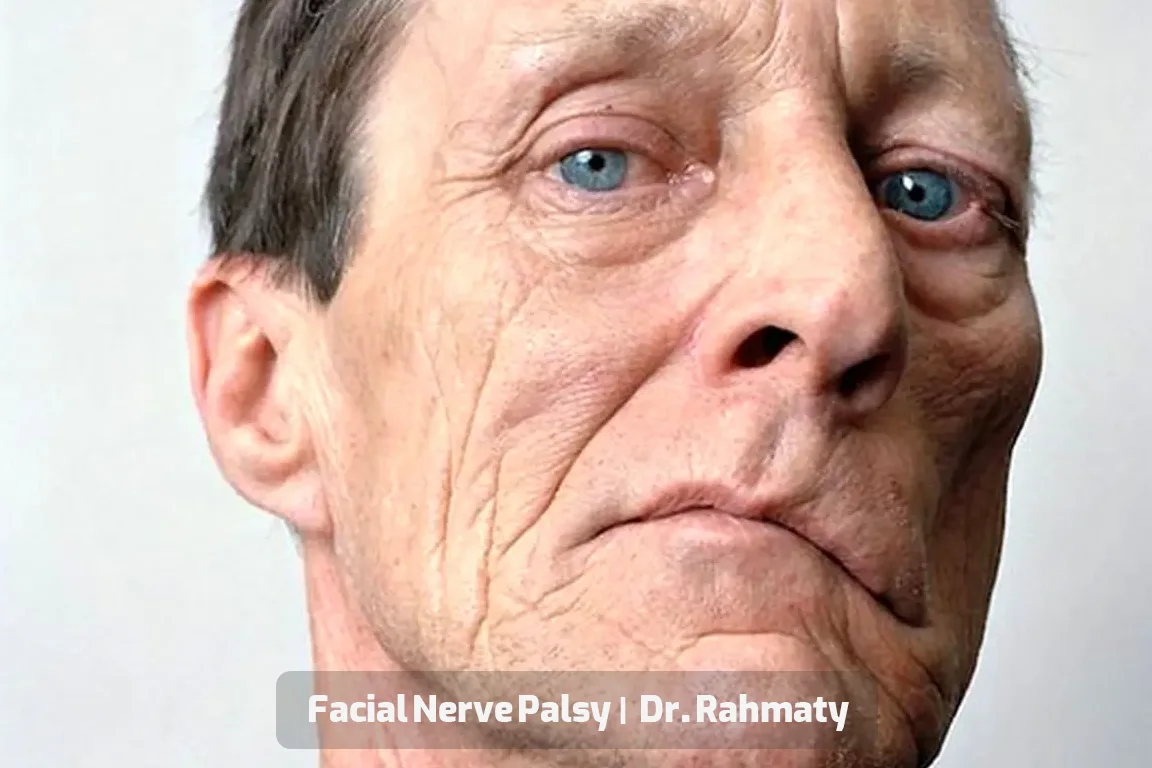
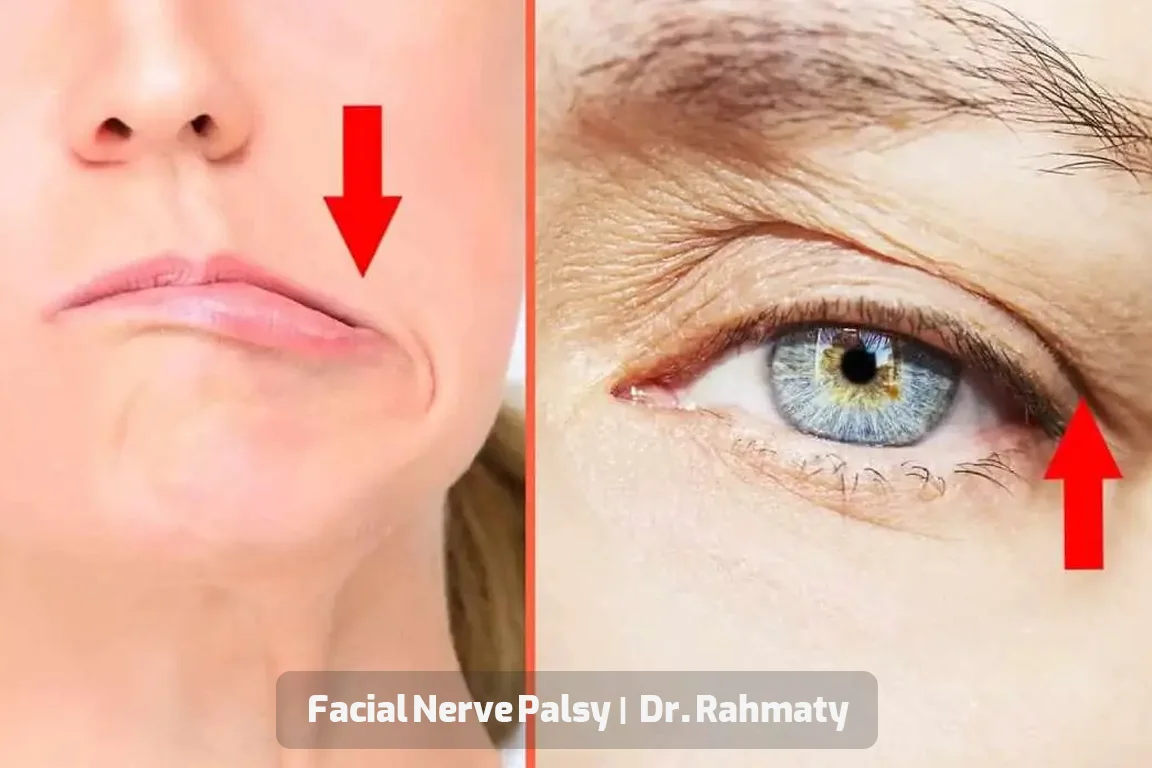
Severe facial nerve injury can result in permanent or long-term facial paralysis, affecting a person’s ability to smile, close the eye, speak, and even eat. In many patients, when the gap between the two ends of the injured nerve is too large for direct repair, Facial Nerve Grafting is considered one of the most effective methods for restoring facial nerve function. In this procedure, the surgeon uses a nerve graft to create a new pathway for nerve signal transmission, allowing communication between the brain and the facial muscles to be re-established.
The decision to perform Facial Nerve Grafting depends on several factors, including the cause of the injury, the location of the defect, the condition of the facial muscles, and the length of time since the onset of paralysis. The earlier the procedure is performed, the greater the likelihood of successful nerve regeneration and recovery of facial muscle function. In this article, you will learn about the facial nerve graft, its indications, surgical technique, advantages, limitations, recovery process, and the factors that influence surgical success.

What Is Facial Nerve Grafting?
Facial Nerve Grafting is one of the most important facial nerve reconstruction techniques. It is performed when the distance between the two ends of the injured facial nerve is too great to allow a tension-free direct repair.
During this procedure, the surgeon harvests a segment of a sensory nerve from another part of the body, most commonly the sural nerve in the lower leg or another less critical sensory nerve. This nerve segment is then placed between the two ends of the facial nerve, serving as a bridge that guides regenerating nerve fibers toward the facial muscles.
Contrary to what many patients believe, the nerve graft does not directly transmit nerve signals. Instead, it functions as a biological scaffold through which newly regenerating nerve fibers can grow until they reach the facial muscles.
When Is a Facial Nerve Graft Needed?
Not every patient with facial paralysis requires a facial nerve graft. This procedure is recommended when direct nerve repair cannot be performed because the gap between the nerve ends is too large. This situation is commonly encountered after severe traumatic injuries, deep lacerations, tumor removal surgery, gunshot injuries, or severe temporal bone fractures.
In some patients, a portion of the facial nerve must also be removed during surgery for parotid gland tumors or skull base tumors. In these cases, Facial Nerve Grafting is often the best option for reconstructing the facial nerve pathway.
An important prerequisite for successful surgery is that the facial muscles remain reasonably healthy. If the muscles have undergone severe atrophy because they have been without nerve stimulation for a prolonged period, alternative procedures such as nerve transfer or free functional muscle transfer may be more appropriate.
How Is Facial Nerve Grafting Performed?
Facial Nerve Grafting is performed under general anesthesia using an operating microscope. The surgeon first identifies the injured segment and the healthy ends of the facial nerve. The gap between the nerve ends is then carefully measured to determine the required graft length.

Next, the donor nerve is harvested, usually from the lower leg. The sural nerve is the most commonly selected donor because its removal rarely causes significant functional impairment. Most patients experience only a limited area of numbness along the outer aspect of the foot.
The nerve graft is then positioned between the two ends of the facial nerve and secured with extremely fine microsurgical sutures. Before completing the procedure, the surgeon confirms that there is no excessive tension or compression at the repair site, providing optimal conditions for nerve regeneration.
How Does This Surgery Restore Facial Movement?
One of the most common misconceptions is that facial movement returns immediately after Facial Nerve Grafting. In reality, the graft first serves as a pathway through which new nerve fibers can grow.
Following surgery, nerve axons begin growing from the healthy end of the facial nerve and gradually progress through the graft. Nerve regeneration occurs at an average rate of approximately one millimeter per day. Depending on the location of the injury, it may take several months before the first signs of facial movement appear.
For this reason, patients should expect the final results to become evident approximately twelve to eighteen months after surgery, although recovery may take even longer in some cases.
Advantages of This Surgery
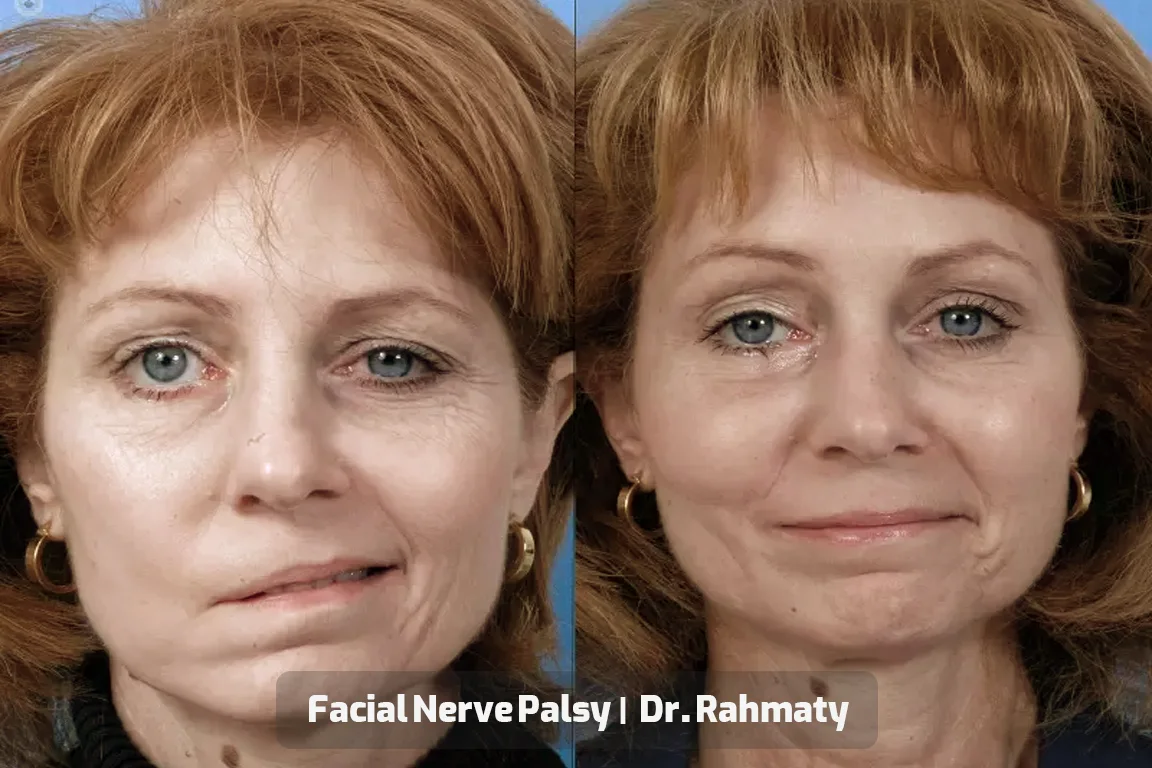
The greatest advantage of a facial nerve graft is that it restores the continuity of the facial nerve when direct repair is impossible. The procedure can significantly improve voluntary facial movement, restore facial symmetry, increase the ability to close the eye completely, and improve speech and eating function.
Another important advantage is that harvesting a sensory nerve usually causes minimal functional impairment. Most patients experience only a small area of numbness at the donor site. When Facial Nerve Grafting is performed promptly, it may also reduce the need for more complex reconstructive procedures in the future.
Factors That Influence the Success of Facial Nerve Grafting
The success of Facial Nerve Grafting depends on multiple factors and is not determined solely by the surgical procedure itself. One of the most important factors is the length of time since the injury occurred. The shorter the period without nerve stimulation, the greater the likelihood of successful muscle recovery.
The type of injury is also important. Clean-cut injuries generally produce better outcomes than crush injuries or burns. Patient age, overall health, conditions such as diabetes, tobacco use, tissue blood supply, and adherence to postoperative instructions can all influence nerve regeneration.
Finally, the surgeon’s experience in microsurgical nerve reconstruction and careful patient selection are among the most important predictors of successful treatment.
Recovery After This Surgery
Recovery following a facial nerve graft is gradual and requires patience. During the first few weeks, the primary focus is wound healing and reducing inflammation. Afterward, regenerating nerve fibers slowly grow through the graft toward the facial muscles.
The first signs of facial movement typically appear several months after surgery, and improvement continues progressively over time. Regular follow-up visits allow the surgeon to monitor nerve regeneration and assess the recovery of facial muscle function.
Postoperative Care After Facial Nerve Grafting
Following the surgeon’s recommendations is essential for the success of Facial Nerve Grafting. During the early postoperative period, pressure on the surgical site should be avoided, and all prescribed medications should be taken as directed. If complete eyelid closure is not possible, the cornea should be protected with artificial tears, lubricating eye gels, and appropriate eye protection.
Once the initial healing period has passed, facial rehabilitation begins. Specialized facial exercises, massage therapy, neuromuscular retraining, and biofeedback in selected patients help improve facial movement and muscle coordination. Patient participation throughout the rehabilitation process has a direct impact on the final outcome.
Potential Complications of Facial Nerve Grafting
Like any surgical procedure, a facial nerve graft may be associated with complications, although most are manageable. Swelling, bruising, and mild pain around the surgical site are common and usually resolve within several weeks.
At the donor site, a small area of permanent or long-lasting numbness may remain, but it rarely causes significant functional problems. In rare cases, infection, scar formation, incomplete nerve regeneration, or incomplete recovery of facial muscle function may occur. Therefore, regular postoperative follow-up is essential.
Conclusion
Facial Nerve Grafting is one of the most effective facial nerve reconstruction techniques for patients who are not candidates for Direct Facial Nerve Repair. By bridging the gap between the two ends of the injured nerve, this procedure provides a pathway for regenerating nerve fibers and, when performed promptly, can significantly improve facial movement, restore facial symmetry, and enhance quality of life.

If you or a loved one has experienced facial nerve injury or facial paralysis, early evaluation by an experienced surgeon is extremely important. Dr. Benyamin Rahmaty, an ENT specialist and Facial Plastic Surgeon, specializes in facial paralysis treatment and facial nerve reconstruction. After carefully evaluating the cause of the injury, facial muscle condition, and diagnostic findings, he recommends the most appropriate treatment—including Facial Nerve Grafting, facial nerve graft procedures, Direct Facial Nerve Repair, or nerve transfer—to achieve the best possible functional and aesthetic outcomes.