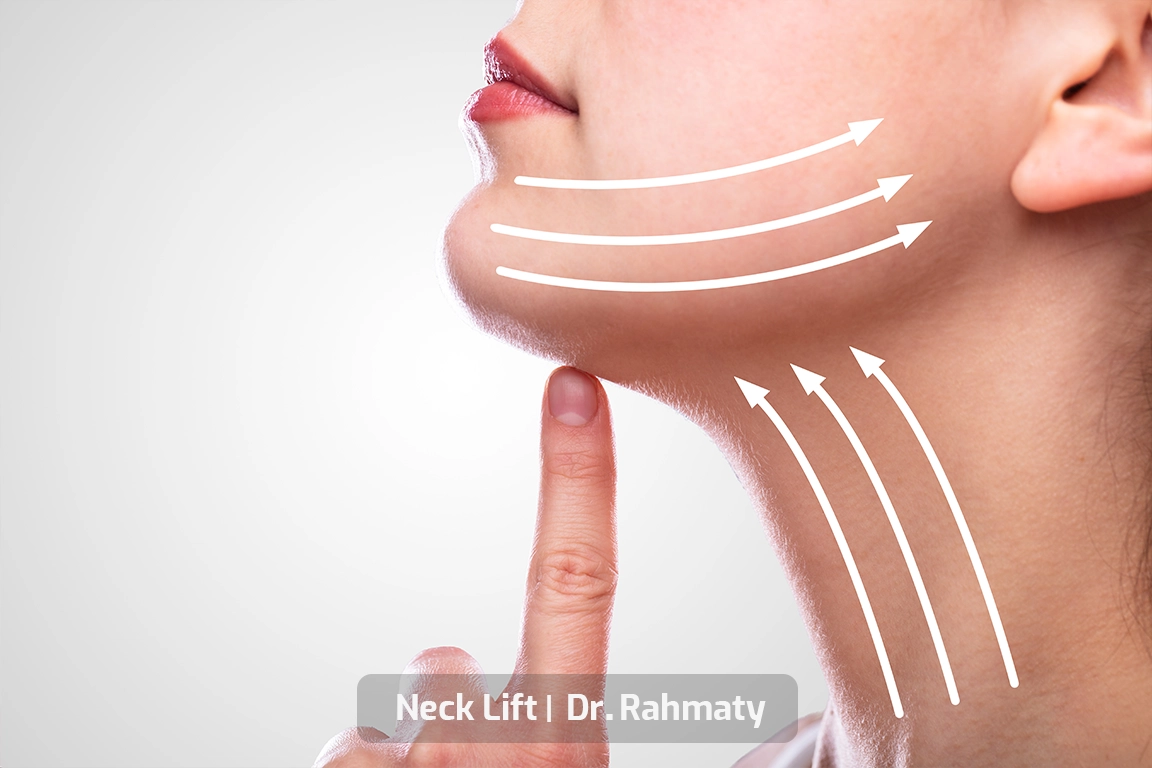
The Importance of a Neck Lift and Rejuvenation of This Area
The neck is a sensitive and influential part of facial beauty, and with aging, its skin and muscles gradually develop sagging, looseness, and horizontal lines that can make a person appear older. Along with natural aging, factors such as genetics, lifestyle habits, and weight fluctuations significantly affect neck skin quality. Neck lift treatments, including neck lift surgery and non-surgical techniques, are among the most effective ways to improve neck contour and overall appearance.
The primary goal of these methods is to tighten and smooth the neck skin, enhance natural beauty, and boost self-confidence.
In this article, we offer a comprehensive overview of neck lift options, covering their benefits, limitations, costs, pre- and post-treatment care, and key considerations to help readers make an informed decision.

Causes of Neck Sagging and Skin Loosening
Neck sagging and skin looseness are usually the result of a combination of factors, including:
Aging and reduced collagen
As age increases, the production of collagen and elastin in the skin decreases. These two proteins are responsible for the skin’s firmness and elasticity. Their reduction leads to looseness and the formation of horizontal lines and wrinkles on the neck.Genetics
Some people experience neck sagging earlier due to genetic characteristics. Genetics determines skin thickness, the quality of subcutaneous tissues, and the tendency to accumulate fat in the neck area.Weight changes and obesity
Significant weight gain or loss can affect the neck skin. Repeated stretching of the skin due to weight gain or subcutaneous fat accumulation can cause sagging and unwanted lines.Lifestyle and daily habits
Daily habits such as spending long periods looking at a phone or computer, sleeping in an improper position, and low physical activity can contribute to lines and neck sagging.Environmental factors
Frequent sun exposure without adequate protection, smoking, and environmental pollution accelerate the aging process of the neck skin.Weak neck muscles
Weakness of the neck platysma muscles can reduce the skin’s structural support and lead to sagging. Proper neck muscle exercises can help improve this to some extent, but in severe cases medical lifting methods are more effective.
By recognizing these factors, appropriate prevention and the most suitable treatment method can be chosen for each individual.
Neck Lift Methods: Surgical and Non-Surgical
To correct neck sagging and skin looseness, there are various methods selected based on the severity of the issue, age, skin type, and the individual’s expectations. These methods are divided into two main categories: surgical and non-surgical. (Dr. Benyamin Rahmaty)
1) Surgical Neck Lift Methods (Neck Lift Surgery)
A surgical neck lift is one of the most effective and long-lasting ways to eliminate sagging and loose neck skin. This surgery is usually recommended for people with very loose neck skin or weakened neck muscles.
Types of surgical neck lift:
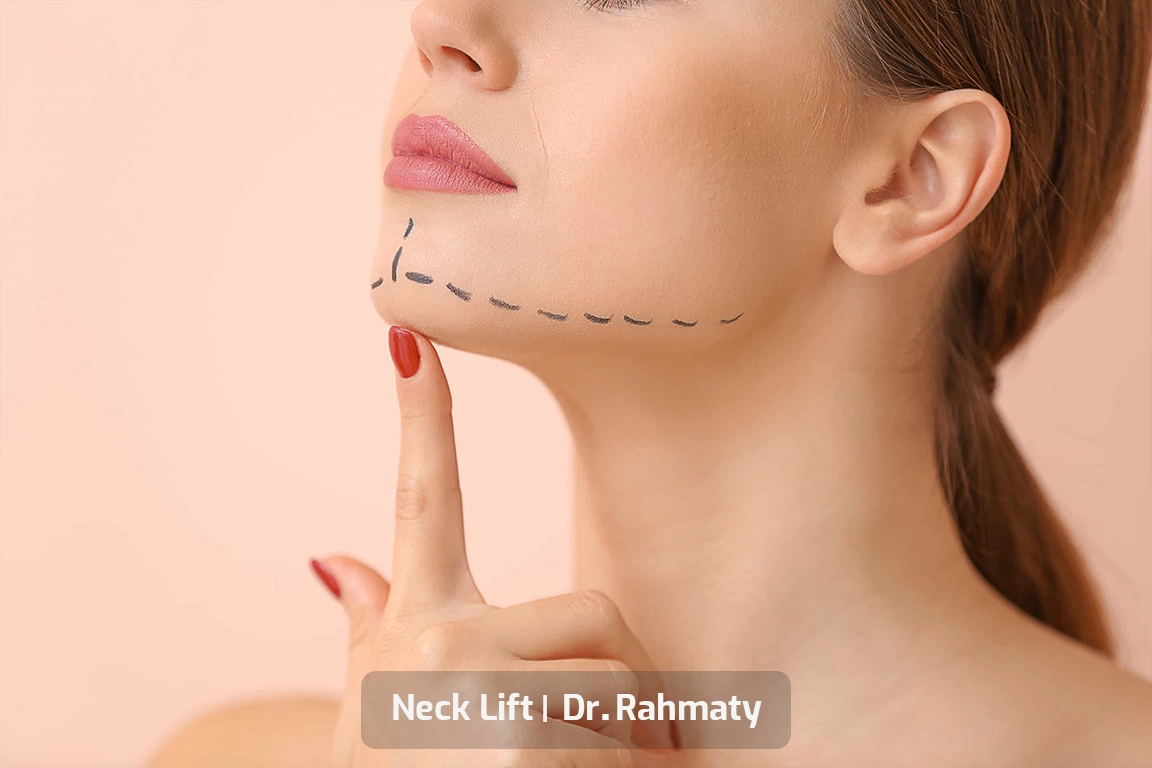
Full neck lift (Cervicoplasty): In this method, excess neck skin is removed and the remaining skin is tightened so that lines and folds become smoother.
Neck muscle lift (Platysmaplasty): Focuses on strengthening and tightening the platysma muscles, improving neck shape and reducing vertical lines.
Combined face and neck lift (Facelift with Neck Lift): For people who have looseness and sagging in both the face and neck, this combined method provides more natural and harmonious results.
Benefits of surgery:
Long-lasting and durable results
Complete correction of skin and muscle looseness
Improvement of neck lines and wrinkles
Drawbacks and important points:
Requires anesthesia and a recovery period
Possibility of swelling, bruising, and mild infection
Higher cost compared to non-surgical methods

2) Non-Surgical Neck Lift Methods
For people who do not want surgery or have mild to moderate sagging, non-surgical methods are a suitable option. These methods include modern medical technologies.
A) HIFU (High Intensity Focused Ultrasound)
Uses ultrasound waves to stimulate deeper layers of skin to produce collagen
Creates natural tightening and reduces neck lines
The session is short and non-surgical, but final results appear over several months
B) RF (Radio Frequency)
Radiofrequency energy heats deeper skin layers and stimulates collagen and elastin production
The skin becomes firmer and neck lines decrease
Usually multiple sessions are needed for the best result
C) Filler and Botox injections
When sagging is minimal and vertical lines are caused by neck muscles, Botox can relax the muscles and create a smoother appearance
Dermal fillers can fill horizontal neck lines and restore lost volume
D) Neck thread lift (Thread Lift)
Special threads are placed under the skin, creating tightening and stimulating collagen
Results are faster than HIFU and RF, but durability is usually shorter
Benefits of non-surgical methods:
No need for anesthesia
Short recovery time or almost no downtime
Lower cost compared to surgery
Drawbacks:
Temporary results and need for repeat treatments
Suitable for mild to moderate sagging
Full effects appear over several weeks to a few months
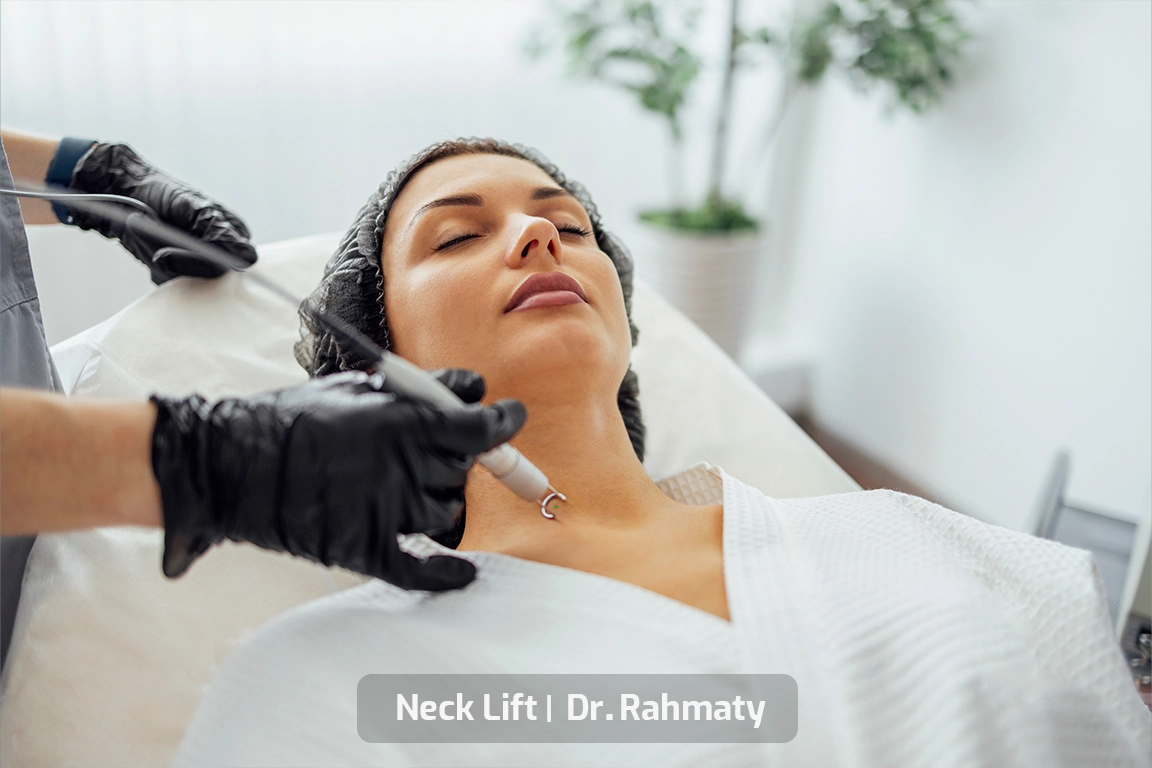
Aftercare and Key Notes Following a Neck Lift Surgery
Whether you have surgery or use non-surgical procedures, following post-treatment care is essential to achieve the best results and increase longevity.
1) Aftercare Following Surgical Neck Lift
A) Pain and swelling management:
Pain and swelling are normal after neck lift surgery; the doctor usually prescribes appropriate painkillers.
Cold compresses in the first days can reduce swelling and bruising.
B) Care of wounds and stitches:
Stitches are usually removed within 7 to 14 days.
Keep wounds clean and dry and avoid contact with water or contaminated materials.
Avoid rubbing or direct pressure on the neck.
C) Use of a special compression garment/bandage:
To reduce swelling and stabilize the skin, the doctor may recommend a neck garment.
Typically it should be worn continuously for 1 to 2 weeks after surgery.
D) Activity restrictions:
Avoid heavy exercise, prolonged bending, and lifting heavy objects for at least two weeks.
Light activities such as gentle walking are usually fine after a few days.
E) Nutrition and hydration:
Light and soft foods are recommended in the first days.
Drink enough water and avoid alcohol and smoking, as they slow healing.

2) Aftercare Following Non-Surgical Methods
After HIFU or RF, usually no specific downtime is needed, but it is better to keep the skin clean and moisturized.
Avoid prolonged exposure to direct sunlight and use a suitable sunscreen.
Intense massage or pressure on the treated area is forbidden.
Adequate water intake and healthy nutrition help collagen-building.
To maintain results, some methods require repeat treatments at intervals of a few months.
3) Golden Tips to Increase the Longevity of Neck Lift Surgery Results
Maintain a healthy weight: Major weight fluctuations can reduce skin tension and weaken the lift effect.
Sun protection: UV rays destroy collagen and elastin and accelerate skin aging.
Healthy diet: Foods rich in antioxidants, vitamin C, and sufficient protein help repair and strengthen the skin.
Keep the skin moisturized: Moisturizing creams and serums keep skin soft and flexible.
Avoid smoking and alcohol: These reduce blood supply and slow the healing process.
Comparing Different Neck and Face Lift Methods
To achieve an ideal result, it is important to know which method is more appropriate for your condition. Neck and face lift methods fall into two main groups: surgical and non-surgical. Each has its own advantages, disadvantages, and limitations.
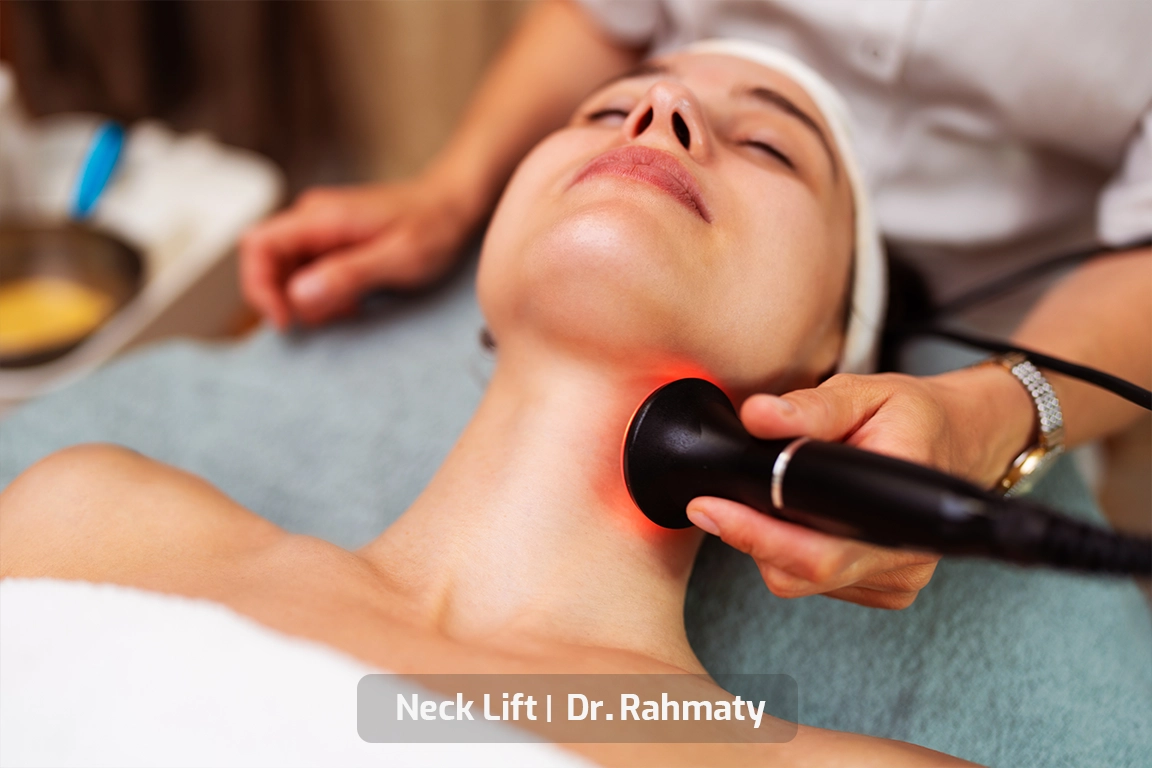
1) Surgical Neck and Face Lift
Advantages:
Long-lasting and impressive results: the effect usually lasts 5 to 10 years
Ability to correct severe skin sagging and excess fat: suitable for people with deep wrinkles or extra skin
Ability to shape precisely in harmony with the facial and neck structure
Disadvantages:
Longer recovery period: requires several weeks of rest
Risk of surgical complications: including infection, bleeding, bruising, and scarring
Higher cost compared to non-surgical methods
Suitable for:
People over 45 with moderate to severe sagging
Those who want a dramatic and long-lasting change
People with good general health who can tolerate surgery
2) Non-Surgical Lift (HIFU, RF, Laser, Threads)
Advantages:
Minimally invasive and no surgical incisions
Short recovery time or nearly zero downtime
Lower complication risk
Can be repeated to maintain results
Disadvantages:
Less effect compared to surgery: suitable for mild to moderate sagging
Need for multiple sessions: several treatments may be required for the desired outcome
Temporary results: durability is usually 6 months to 2 years
Suitable for:
People under 45 with mild to moderate sagging
Those who want a non-invasive approach without downtime
People who want to prevent sagging or enhance/maintain surgical lift results
3) Important Points When Choosing the Right Method
Age and skin condition: Severe sagging usually needs surgery, while mild sagging can be corrected with non-surgical methods.
General health: Certain diseases or medications may prevent surgery; non-surgical methods can be an appropriate alternative.
Patient expectations: If the goal is a significant and long-lasting change, surgery is better; if the goal is gradual and natural improvement, non-surgical methods are sufficient.
Budget and time: Non-surgical methods have lower cost and shorter downtime. (Dr. Benyamin Rahmaty)
4) Combining Methods for the Best Result
Sometimes combining surgical and non-surgical methods produces the best outcome:
Surgery to correct severe sagging
Using HIFU, RF, or laser to strengthen the skin and maintain results
Filler or Botox injections to correct fine lines and facial symmetry
This combined approach makes the result more natural, more durable, and reduces the need for frequent repetition of non-surgical treatments.
Best Candidates for Neck and Face Lift and Contraindications
Choosing the right patient for neck and face lifting is the key to successful and safe results. Not everyone with skin sagging or wrinkles is an ideal candidate for every lifting method.

1) Best Candidates for Surgical Lift
General characteristics:
People aged 40 to 50+ with moderate to severe sagging
Skin with enough elasticity: even with sagging, the skin should be able to retract after lifting
Good overall health: heart disease, uncontrolled blood pressure, or clotting disorders may increase surgical risk
Realistic expectations: the result is natural, but cannot completely turn back the clock
Suitable cases:
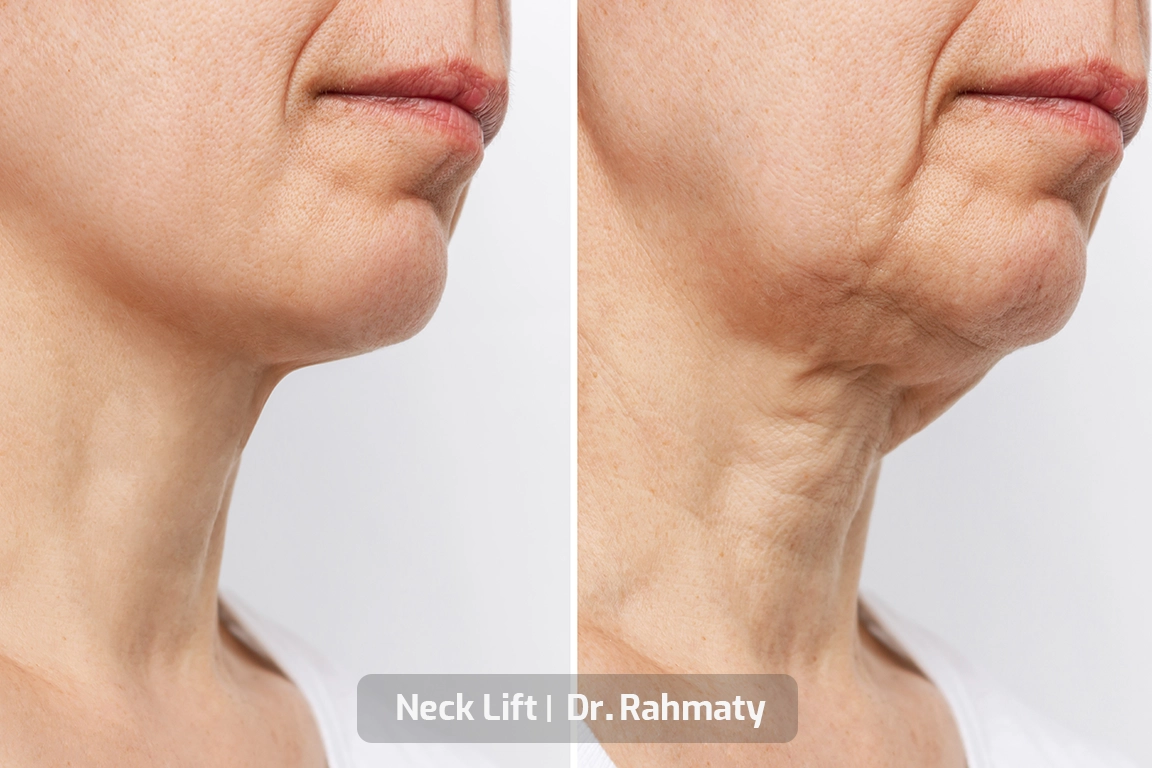
Severe neck skin sagging (double chin or neck bands)
Sagging and looseness of cheeks and jawline
Deep forehead and around-eye folds that cannot be corrected with non-surgical methods (Dr. Benyamin Rahmaty)
2) Best Candidates for Non-Surgical Lift (HIFU, RF, Laser, Threads)
General characteristics:
People under 45 with mild to moderate sagging
Healthy skin with no wounds or active inflammation
Realistic expectations: gradual and natural improvement without dramatic changes
Suitable cases:
Mild lines and slight sagging of neck and face skin
Mild looseness of cheeks and jawline
People who prefer non-invasive methods without downtime (Dr. Benyamin Rahmaty)
3) Contraindications
Some conditions may make neck/face lift impossible or risky:
A) Surgical contraindications:
Severe cardiac or vascular diseases
Clotting problems or use of blood-thinning medications
Active infection or skin inflammation in the treatment area
Unrealistic expectations or psychological disorders related to body image
B) Non-surgical contraindications:
Active infection or wound in the treatment area
Severe skin diseases such as active psoriasis or dermatitis
Severe sensitivity to light or to the materials used (for laser or RF)
Pregnant or breastfeeding individuals (especially for some laser and RF methods)
Care Before and After Neck and Face Lift
Proper care before and after lifting plays a very important role in achieving natural and long-lasting results. Following these points can shorten recovery and minimize complications.

1) Pre-Lift Care
A) General preparation:
Full consultation with the doctor: complete disclosure about medications, illnesses, and allergies is essential.
Stop blood-thinning drugs: such as aspirin or warfarin, according to the doctor—usually 7 to 10 days before neck lift surgery.
Quit smoking and alcohol: at least 2 weeks before surgery; smoking and alcohol slow recovery and raise complication risk.
B) Skin and body preparation:
Clean skin from makeup and cosmetics: on the day of surgery, the skin must be completely clean.
Keep skin and body hydrated: enough water and moisturized skin support faster recovery.
Adequate rest: the body repairs and heals better with rest after surgery.
2) Post-Care After Surgical Lift
A) General points:
Rest and reduced activity: heavy activities should be limited for at least 2 to 3 days after neck lift surgery.
Use of bandage or special garment: most surgeons recommend using it for 7 to 10 days to support the skin and reduce swelling.
Sleep with the head elevated: to reduce swelling and bleeding, the head should be higher than the body.
B) Skin and hygiene care:
Gentle cleansing: avoid harsh soaps or aggressive rubbing.
Avoid sun exposure: avoid direct sunlight for at least 2 to 4 weeks.
Use prescribed medications: antibiotics and painkillers should be used as directed to control infection and pain.
C) Warning signs:
Heavy bleeding or unusual bruising
Excessive swelling or pain
Skin discoloration or prolonged numbness
If any occur, you should contact the doctor immediately.
3) Post-Care After Non-Surgical Lift
Non-invasive methods (HIFU, RF, laser, threads) have shorter downtime, but have their own important points:
Do not intensely touch the treated area for several hours
Avoid heavy exercise and sauna for 24 to 48 hours
Use moisturizers and sunscreen to protect the skin
Avoid irritants such as alcohol and retinol-containing products for a few days
4) Long-Term Recommendations to Maintain Results
Healthy diet and sufficient water: supports skin elasticity
Weight control: severe weight changes can affect lift results
Maintain an active lifestyle: light exercise and skincare help prolong effects
Periodic checkups: regular doctor visits to review skin condition and results support long-term improvement

(Another) Surgical vs Non-Surgical Lift Comparison — Advantages and Limitations
1) Surgical Lift (Surgical Facelift / Necklift)
Advantages:
Long-lasting and predictable effect
Correction of severe sagging and wrinkles
Complete reshaping of the face and neck
Disadvantages:
Requires anesthesia and longer recovery (7 to 14 days of relative rest)
More swelling and bruising in the first week
Higher cost compared to non-surgical methods
Surgery-related risks such as infection, bleeding, and wounds
Suitable for:
People over 45 with severe skin sagging
Those who want noticeable, long-term results
Patients who did not achieve a satisfactory outcome with non-surgical methods
2) Non-Surgical Methods (Non-surgical Facelift)
These include HIFU, RF, laser, filler injections, and lifting threads.
Advantages:
Short recovery and almost no long rest required
No need for anesthesia
Less risk and lower complication rate
Ability to repeat treatments to maintain effect
Disadvantages:
Shorter-lasting effect (6 to 18 months depending on method)
Suitable for mild to moderate sagging
Need for multiple sessions to reach the desired result
Suitable for:
People aged 30 to 50 with mild or moderate sagging
Those who cannot have a long recovery period
Patients seeking a non-invasive, repeatable method
Comparison of Surgical vs. Non-Surgical Neck Lift
| Feature | Surgical Lift | Non-Surgical Lift |
|---|---|---|
| Severity of Sagging | Moderate to severe | Mild to moderate |
| Durability | 5–10 years | 6–18 months |
| Downtime | 7–14 days | 0–3 days |
| Risks | Higher | Lower |
| Anesthesia | Required | Not required |
4) How to Choose the Best Method
Choosing the right method depends on:
Age and skin condition:
Very loose and sagging skin is better corrected with surgery.
Younger skin with mild sagging can be addressed with non-surgical methods.
Expected outcome:
If the goal is a dramatic, long-lasting result, surgery is more suitable.
If the goal is mild and natural improvement, non-surgical methods are enough.
Willingness/ability for downtime:
Those with limited time for rest typically prefer non-surgical methods.
Budget:
Surgery costs more but lasts longer.
Non-surgical methods are cheaper but require repetition.
5) Combining Methods for the Best Result
Many doctors recommend combining methods to achieve a natural and long-lasting outcome:
Surgical lift + filler or fat injection: to correct deep lines and provide natural volume
Non-surgical lift + skincare: to maintain results and prevent early sagging
Frequently Asked Questions and Key Notes Before Face and Neck Lift
This section includes answers to the most common patient questions and notes you should know before deciding on a lift.
1) Is a face and neck lift surgery painful?
Surgical lift: With general anesthesia or local anesthesia, there is no pain during the procedure, but mild pain and swelling in the first days after neck lift surgery are normal.
Non-surgical methods: Pain is very minimal and mild and usually does not require painkillers.
2) How long does it take for results to appear?
Surgical lift: Initial results are visible after 2 to 3 weeks, but the final result may take up to 6 months.
Non-surgical lift: Initial results can be seen immediately or within a few weeks, but durability is less.
3) Who is not a suitable candidate for a lift?
People with severe heart or vascular problems
Those who have recently undergone major surgery
People with unrealistic expectations of results
Pregnant or breastfeeding women (caution is advised even for non-surgical methods)
4) What actions are necessary before neck lift surgery?
Accurate consultation with the doctor and providing a complete medical history
Stopping blood-thinning medications per the doctor’s advice
Quitting smoking and alcohol at least 2 weeks before the procedure
Preparing skin and body for the recovery period
5) Do you need long-term care after a lift?
Yes. To maintain results:
Healthy diet and keeping skin hydrated
Avoid severe weight fluctuations
Sunscreen use and skincare
Regular visits to the doctor to evaluate results
6) Can a lift be combined with other aesthetic methods?
Yes—combining approaches often produces the best results:
Surgical lift + filler or fat injection
Non-surgical lift + advanced skincare
7) Key notes before deciding on a lift
Identify skin type and the severity of sagging (this determines the appropriate method).
Set a realistic goal (expect a natural and achievable result).
Review medical history (heart/vascular issues, diabetes, clotting disorders matter).
Choose an experienced specialist physician (surgeon experience strongly affects the final result).
Review budget and downtime (choose a method that fits time and cost).
Summary and Final Recommendations for Face and Neck Lift
Face and neck lift surgery is one of the most effective methods for rejuvenation and restoring the natural and fresh look of the skin. With advances in technology, choosing the right option between surgical and non-surgical methods has become possible based on each person’s needs and conditions.
1) Choosing the right method
Severe sagging + age over 45: surgical lift is the main option.
Mild to moderate sagging + age 30 to 50: non-surgical methods like HIFU, RF, laser, thread injection, and fillers are suitable.
Natural and lower-risk result: non-surgical methods are better, but less durable.
Dramatic and long-lasting result: surgical lift is more predictable and durable.
2) Key points before and after a lift
Consult an experienced specialist physician to evaluate skin type, sagging severity, and medical conditions.
Choose a method aligned with lifestyle, budget, and personal expectations.
Pre-procedure care: quit smoking and alcohol, manage blood-thinning drugs, prepare the skin.
Post-procedure care: follow doctor’s recommendations, avoid pressure on the skin, use skincare products, and protect from sunlight.
3) Combining methods for the best result
In many cases, combining methods creates a better result:
Surgical lift + filler or fat injection to correct deep lines and add natural volume.
Non-surgical lift + skincare to prevent early sagging and preserve youthful skin.
4) Final recommendation
Face and neck lift is not limited to changing appearance; it also increases self-confidence and satisfaction. Smart decision-making, understanding advantages and limitations, and choosing an experienced doctor are key to achieving natural and lasting results.
If you are looking for a safe, professional experience tailored to your personal needs, Dr. Benyamin Rahmati—with years of experience in surgical and non-surgical neck and face lifting methods—can offer you the best consultation and treatment. By visiting his office, you can choose the right solution for your skin and return to natural youthfulness and facial attractiveness.