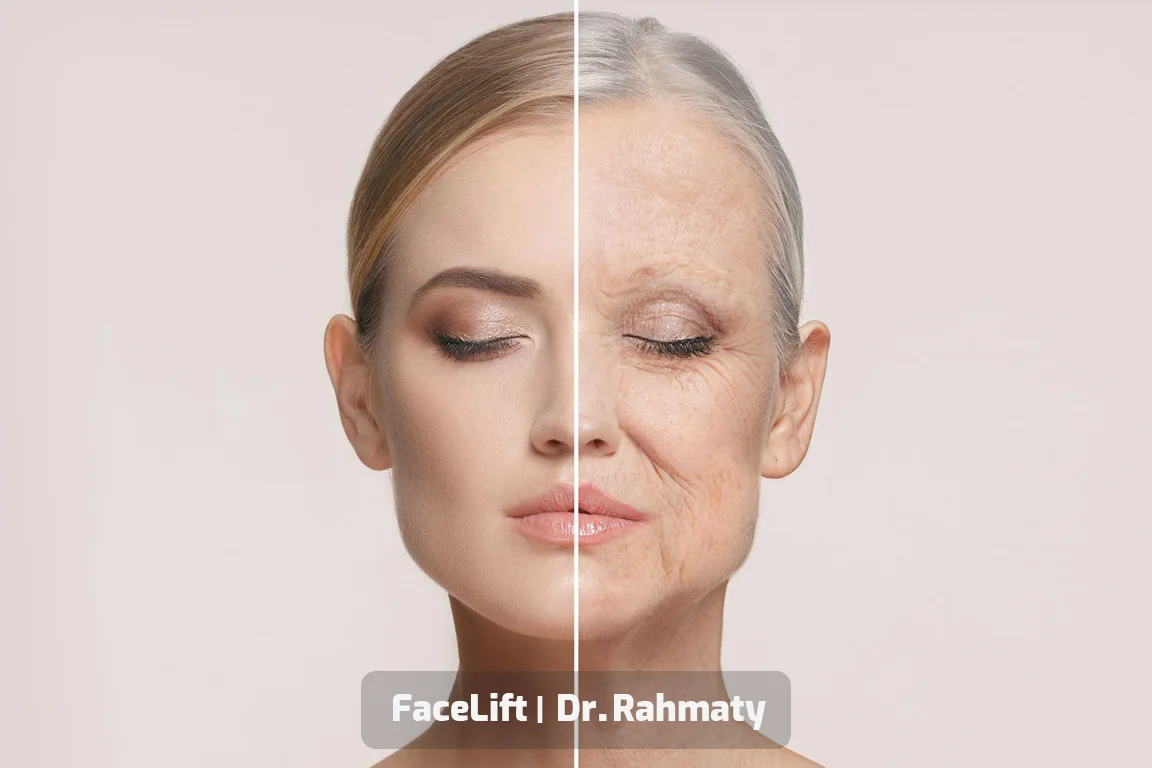
Natural Facelift Results: 7 Common Mistakes to Avoid Before Surgery
Facelift surgery is one of the most effective procedures for facial rejuvenation and correcting skin sagging. However, many individuals considering this procedure worry that facelift mistakes may lead to an artificial, overly tight, or unnatural appearance. In fact, achieving natural facelift results is the primary goal of most patients undergoing this surgery—a result that makes the face appear younger and more refreshed without creating unusual or exaggerated changes in appearance. Nevertheless, seeing unsuccessful examples on social media and in the media has caused many people to become hesitant about undergoing the procedure.
The truth is that, in most cases, an unnatural facelift result is not caused by the surgery itself. Instead, it is often the result of poor decisions before surgery, choosing the wrong surgeon, or having unrealistic expectations regarding the outcome. When the procedure is performed by an experienced surgeon, when the patient understands the condition of their skin and the limitations of treatment, and when all evaluation and preparation stages are completed properly, achieving a natural and long-lasting result is entirely possible.

In this article, you will learn about the most important mistakes that can negatively affect the final outcome of a facelift and discover how making the right choices can increase your chances of achieving the best possible results.
The Biggest Concern of Facelift Patients
Most people considering a facelift share one common concern: “Will my face look natural after surgery?”
Contrary to popular belief, the goal of facelift surgery is not to change a person’s appearance. The primary purpose of this procedure is to restore sagging tissues to a more youthful and natural position. A successful facelift should make a person appear more refreshed, younger, and well-rested without making it obvious that surgery has been performed.
Many concerns regarding facelift complications or artificial-looking results arise when patients enter the treatment process without sufficient research or fail to pay attention to important preoperative considerations. Understanding common facelift mistakes can significantly reduce the likelihood of these problems.
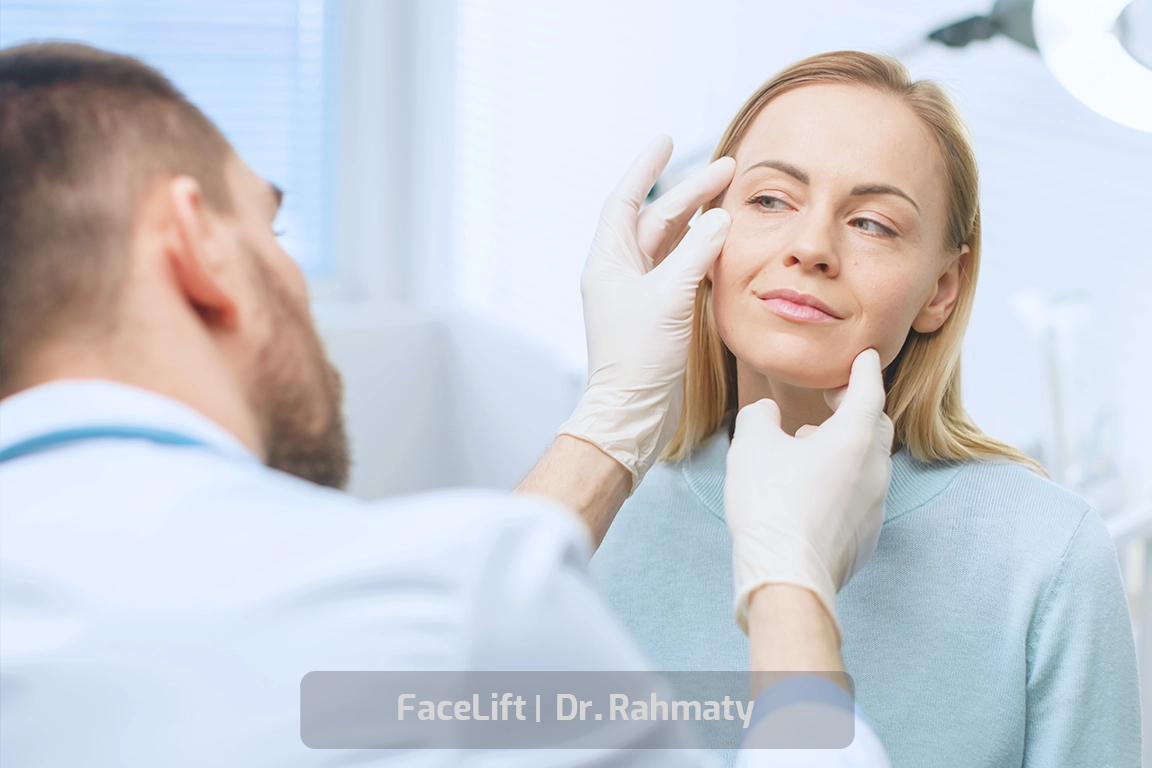
Mistake #1: Choosing a Surgeon Based Solely on Price
One of the most common facelift mistakes among cosmetic surgery patients is selecting a surgeon solely because of lower costs. Although treatment expenses are understandably important, they should never be the primary deciding factor.
Facelift surgery is a highly specialized procedure that requires detailed knowledge of facial anatomy, extensive experience, and advanced surgical skills. In many cases, the difference between a natural result and an artificial one depends largely on the surgeon’s expertise.
Choosing an inexperienced surgeon simply because of lower fees can increase the risk of asymmetry, excessive skin tension, poor scarring, and other complications. Therefore, when selecting a facelift surgeon, patients should prioritize qualifications, professional experience, and previous treatment outcomes.
Mistake #2: Unrealistic Expectations
Some individuals believe that a facelift can make them appear 20 or 30 years younger or completely eliminate every skin concern. These unrealistic expectations often lead to dissatisfaction with the final results.
Facelift surgery can correct skin laxity and reposition deeper facial tissues, but it is not intended to completely change facial structure. Likewise, this procedure does not replace treatments for issues such as pigmentation, enlarged pores, or sun damage.

Having realistic expectations regarding surgical outcomes is one of the most important factors influencing patient satisfaction. During the consultation, an experienced surgeon should clearly explain the limitations and expected results of the procedure.
Mistake #3: Failing to Review Before-and-After Photos
Before deciding to undergo a facelift, reviewing a surgeon’s previous work is extremely important. Unfortunately, some patients proceed with surgery without examining the results achieved in previous patients.
Before-and-after photographs help patients understand the surgeon’s aesthetic approach. Some surgeons focus on creating highly natural results, while others may produce more noticeable changes.
When reviewing before-and-after images, pay close attention to the natural appearance of the jawline, preservation of facial expressions, avoidance of excessive skin tension, and overall facial harmony. These images can provide a more realistic understanding of potential outcomes.
Mistake #4: Ignoring Skin Quality
One factor that many patients overlook is the condition and quality of their skin. Facelift results depend not only on the surgeon’s skill but also on the patient’s skin condition.
Skin that has suffered significant sun damage, severe loss of elasticity, or excessive thinning may require additional treatments. In some cases, combining facelift surgery with laser treatments, fat grafting, or skin rejuvenation procedures can produce better results.
Careful preoperative skin assessment helps physicians design the most appropriate treatment plan and increases the likelihood of achieving natural-looking results.
Mistake #5: Choosing the Wrong Procedure
Not every patient requires the same type of facelift. Some individuals experience only mild sagging and may benefit from less invasive procedures, while others require a full facelift.
Choosing the wrong treatment can result in unsatisfactory outcomes or, conversely, lead patients to undergo more extensive procedures than necessary. For example, patients with significant skin laxity generally do not achieve optimal results from HIFU or superficial treatments alone.
For this reason, treatment selection should be based on a comprehensive examination and the actual condition of the patient’s skin and facial structures rather than advertisements or recommendations from others.
Mistake #6: Neglecting Preoperative Instructions
Many patients believe that surgical outcomes depend solely on the surgeon’s performance, while patient cooperation also plays a crucial role in treatment success.
Pre-facelift care includes a series of medical recommendations designed to reduce complications and promote healing. Quitting smoking, avoiding certain blood-thinning medications, completing necessary laboratory tests, and following the surgeon’s instructions are among the most important measures.
Smoking, in particular, can reduce blood circulation to the skin and increase the risk of wound-healing complications. Therefore, carefully following preoperative instructions is extremely important.
Mistake #7: Judging the Results Too Soon
One of the most common causes of anxiety after surgery is evaluating the results prematurely. Many patients expect to see the final outcome immediately after surgery, whereas healing requires time.
Swelling, bruising, and temporary changes are normal parts of the recovery process and may persist for several weeks or even months. During this period, facial appearance gradually becomes more natural, and the true results of surgery begin to emerge.
Judging the outcome during the early weeks often creates unnecessary stress. Patience and adherence to the surgeon’s recommendations are the best ways to navigate this recovery period.
How to Achieve the Best Results
Achieving natural facelift results is the outcome of making the right decisions before and after surgery. Choosing an experienced surgeon, maintaining realistic expectations, reviewing previous results, evaluating skin quality, selecting the appropriate procedure, and carefully following preoperative and postoperative instructions all contribute to treatment success.
In fact, many issues commonly described as facelift mistakes are entirely preventable. When treatment plans are individualized and surgery is performed by a qualified surgeon, the chances of achieving a younger yet completely natural appearance are very high.
Requesting an Evaluation and Consultation
If you are considering a facelift but have concerns regarding natural results, appropriate treatment options, or your skin condition, the best approach is to seek professional consultation.
During the evaluation session, your skin condition, degree of tissue sagging, medical history, and expectations will be carefully assessed to determine the most appropriate rejuvenation method. This stage plays a vital role in reducing concerns and increasing the likelihood of achieving natural, safe, and long-lasting results.

To receive professional consultation and explore your facial rejuvenation options, you may schedule an evaluation appointment with Dr. Benyamin Rahmaty.