Masseteric Nerve Transfer in Facial Paralysis
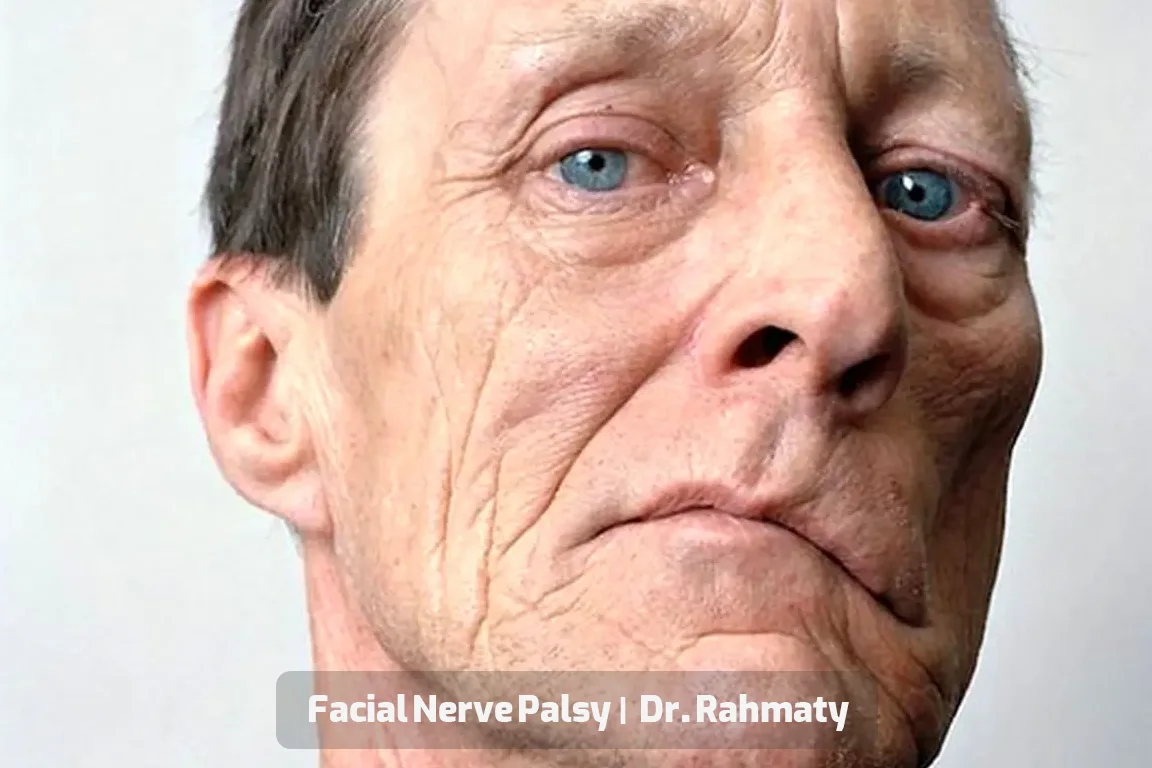
Facial paralysis can significantly affect smiling, lip movement, eye closure, facial symmetry, and emotional expression. Masseteric Nerve Transfer, also called Masseter Nerve Transfer, is an important facial reanimation technique for selected patients. This procedure uses the masseteric nerve as a new source of motor signals for paralyzed facial muscles. It can help restore voluntary facial movement and improve smile function in suitable patients.
Treatment depends on several factors, including the cause and duration of paralysis. The location of facial nerve damage and muscle condition also influence treatment selection. For some patients, Masseteric Nerve Transfer offers an effective treatment option. It may be particularly useful when direct facial nerve repair cannot provide adequate functional recovery.
What Is Masseteric Nerve Transfer?
Masseteric Nerve Transfer, also known as Masseter Nerve Transfer, is a surgical technique that creates a new source of nerve stimulation for the facial muscles. The masseteric nerve originates from the trigeminal nerve and primarily activates the masseter muscle, which plays an important role in chewing and jaw movement.

The masseteric nerve has strong motor function, making it a useful donor nerve in selected facial reanimation procedures. During surgery, the surgeon identifies the masseteric nerve and connects it to the damaged facial nerve or an appropriate facial nerve branch.
After the connection, nerve fibers gradually grow through the new pathway. When these fibers reach the facial muscles, they can provide new motor signals and help restore facial movement.
How Does Masseteric Nerve Transfer Work?
Severe facial nerve damage can prevent the facial muscles from receiving normal motor signals. If these muscles remain viable, surgeons can sometimes establish a new source of nerve stimulation.
During Masseteric Nerve Transfer, the surgeon uses the masseteric nerve as the new motor source. The surgeon connects this nerve to an appropriate branch of the facial nerve on the paralyzed side.
The recovery process then develops gradually. Nerve fibers grow through the new connection and eventually reach the targeted facial muscles. Once the muscles begin receiving new nerve signals, the patient must learn how to control the new movement. Facial rehabilitation helps the brain establish a connection between jaw activity and facial movement.

Who Are Good Candidates for Masseteric Nerve Transfer?
Not every patient with facial paralysis is a suitable candidate for Masseteric Nerve Transfer. The surgeon must evaluate several factors before recommending the procedure.
The evaluation usually includes the cause and duration of paralysis, the location of the facial nerve injury, and the condition of the facial muscles. The surgeon also evaluates facial nerve function, masseteric nerve function, and the patient’s general health.
Patients with unilateral facial paralysis may benefit from Masseteric Nerve Transfer when the facial muscles can respond to new nerve stimulation. This technique may also help patients who cannot achieve adequate recovery through direct facial nerve repair.
The condition of the facial muscles is one of the most important factors affecting functional outcomes.
Patients With Unilateral Facial Paralysis
Some patients with paralysis affecting one side of the face may benefit from Masseteric Nerve Transfer. The affected facial muscles must remain viable enough to respond to the new nerve supply.
The masseteric nerve must also function adequately to provide the necessary motor signals.
Patients Who Cannot Benefit From Direct Nerve Repair
Some facial nerve injuries make direct repair difficult or unlikely to produce sufficient functional recovery. In such cases, surgeons may consider establishing a new neural pathway. Masseteric Nerve Transfer can provide an alternative source of motor signals when the patient’s nerve and muscle conditions meet the appropriate criteria.

Why Does Timing Matter in Masseteric Nerve Transfer?
Timing plays an important role in facial nerve reconstruction. When muscles remain without nerve stimulation for a prolonged period, they can develop progressive atrophy.
Early assessment can therefore help determine the condition of the facial muscles and identify the most appropriate reconstructive technique. However, paralysis duration alone does not determine the treatment plan.
The surgeon also considers the cause and location of the injury, facial nerve condition, and ability of the muscles to respond to new nerve signals. Patients with long-standing paralysis may require muscle transfer or a combination of reconstructive techniques.
How Is Masseteric Nerve Transfer Performed?
The surgeon first identifies the masseteric nerve and carefully evaluates the surrounding anatomical structures. The surgeon then identifies an appropriate branch of the facial nerve on the paralyzed side.
After preparing the nerves, the surgeon creates a connection between the masseteric nerve and the selected facial nerve branch. Microsurgical techniques allow the surgeon to perform this connection with high precision.
The main goal is to create a stable pathway through which motor signals can reach the facial muscles. The exact surgical technique varies between patients. The surgeon considers the location of the facial nerve injury, the condition of the nerves, and the functional goals of reconstruction.
Because the procedure involves delicate facial nerve structures, detailed knowledge of facial anatomy and appropriate microsurgical experience are important.
When Do the Results of Masseteric Nerve Transfer Appear?
The results of Masseteric Nerve Transfer do not appear immediately after surgery. Nerve fibers need time to grow through the new pathway and reach the target muscles. After the nerve fibers reach the muscles, the patient must learn how to control the new facial movement. The first signs of movement may appear after several months.
Improvement can continue during the following months as nerve regeneration and rehabilitation progress. The degree of recovery depends on several factors, including paralysis duration, muscle condition, surgical technique, and rehabilitation.
Patients should therefore avoid judging the final outcome during the first few weeks after surgery.
The Role of Rehabilitation After Masseteric Nerve Transfer
Rehabilitation plays an essential role after Masseteric Nerve Transfer. The brain must learn how to use the new source of motor signals. Initially, patients may notice facial movement when they activate the jaw muscles or chew. They may therefore need conscious effort to produce the desired facial movement.
With repeated training, the brain can gradually develop a stronger connection between masseteric nerve activity and facial muscle movement.
The rehabilitation program aims to improve movement strength, coordination, and control. Over time, patients may learn to activate the facial muscles with less conscious effort. A specialist should design the rehabilitation program according to the patient’s condition and stage of recovery.
Can Masseteric Nerve Transfer Restore the Smile?
Improving the smile is one of the main goals of Masseteric Nerve Transfer. The technique can help some patients regain movement of the muscles around the mouth. The masseteric nerve provides strong motor signals, which can help stimulate the targeted facial muscles. This characteristic can make the technique particularly useful for smile reanimation in selected patients.
However, a natural smile requires precise coordination between several facial muscles. Patients may initially need to concentrate to produce the desired smile. Early movement may also occur together with jaw movement or teeth clenching. Through rehabilitation, patients can gradually learn to separate facial movement from chewing activity.
The final result varies between patients according to nerve function, muscle condition, paralysis duration, surgical technique, and rehabilitation.
Advantages of Masseteric Nerve Transfer
Masseteric Nerve Transfer has several characteristics that make it an important option for selected patients with facial paralysis. The masseteric nerve provides strong motor input, which can support effective stimulation of the facial muscles. Surgeons can also access this nerve and use it as a donor nerve during facial reanimation procedures.
Another potential advantage involves the development of facial movement within a reasonable recovery period in some patients. This can contribute to improved oral function and smile movement.
However, the procedure cannot guarantee the same result for every patient. The final outcome depends on the individual condition of the nerves and muscles, surgical planning, and rehabilitation.
What Are the Limitations of Masseteric Nerve Transfer?
Despite its advantages, Masseteric Nerve Transfer has several limitations. Patients may need extensive training to learn how to control the new facial movement. Early movement can remain closely associated with jaw activity and chewing.
Complete facial symmetry may not return. Some patients may also require additional procedures to improve movement, facial balance, or smile symmetry. Muscle condition also influences the outcome. Severely atrophied muscles may not respond adequately to the new nerve supply.
For this reason, the surgeon should evaluate the facial muscles carefully before recommending the procedure.
What Are the Potential Complications of Masseteric Nerve Transfer?
Like any surgical procedure, Masseteric Nerve Transfer can involve potential risks and complications. Possible complications include infection, bleeding, pain, swelling, scarring, and problems related to the surgical area. Facial movement may also remain below the patient’s expectations.
Some patients may need additional procedures to improve smile function, facial symmetry, or oral movement. Patients should discuss the potential benefits, limitations, risks, and expected outcomes with their surgeon before making a decision.
Masseteric Nerve Transfer or Other Facial Reanimation Techniques?
The choice between Masseteric Nerve Transfer and other facial reanimation techniques depends on the patient’s individual condition. In some cases, surgeons may use a Cross Facial Nerve Graft to transfer motor signals from the healthy facial nerve to the paralyzed side.
Other patients may benefit from direct nerve repair, facial nerve grafting, muscle transfer, or a combination of several techniques.
No single procedure represents the best option for every patient. The surgeon should evaluate the nerves, muscles, duration of paralysis, and functional goals before selecting the treatment plan.
Factors That Affect the Success of Masseteric Nerve Transfer
Several factors can influence the outcome of Masseteric Nerve Transfer. These factors include the duration of facial paralysis, facial muscle condition, masseteric nerve function, and the location of facial nerve damage. General health, age, and the patient’s commitment to rehabilitation can also influence recovery.
Surgical experience plays an important role in identifying the appropriate nerve branches and performing the nerve connection accurately. A treatment plan that matches the patient’s specific anatomy and functional needs can improve the potential for meaningful facial recovery.
Conclusion
Masseteric Nerve Transfer, also known as Masseter Nerve Transfer, is an important facial reanimation technique for selected patients with facial paralysis. The procedure uses the masseteric nerve as a new source of motor signals and transfers these signals to the paralyzed facial muscles.
For appropriate patients, the technique can help restore facial movement and improve smile function. However, nerve regeneration requires time, and patients need rehabilitation to learn how to control the new movement.
The final outcome depends on several factors, including paralysis duration, facial muscle condition, nerve function, surgical technique, surgeon experience, and rehabilitation.

Facial Paralysis Treatment With Dr. Benyamin Rahmaty
Patients with facial paralysis need a detailed evaluation before choosing an appropriate facial nerve reconstruction technique. The evaluation should consider facial nerve function, muscle condition, paralysis duration, and the patient’s functional and aesthetic goals.
Dr. Benyamin Rahmaty can evaluate the patient’s condition and discuss appropriate options for facial function reconstruction. Depending on the individual case, treatment options may include Masseteric Nerve Transfer, Masseter Nerve Transfer, Cross Facial Nerve Graft, facial nerve grafting, or muscle transfer. The final technique should be selected according to the patient’s specific condition and functional goals.