
Who Is a Candidate for Facial Nerve Reconstruction Surgery? The Best Time for Facial Paralysis Surgery
Facial paralysis is a condition that affects not only facial appearance but also the normal function of the facial muscles. People with this condition may have difficulty smiling, speaking, fully closing their eyes, eating, and even expressing emotions. Fortunately, remarkable advances in microsurgery and nerve reconstruction have made it possible to treat many of these patients. However, not everyone with facial paralysis is a candidate for facial nerve surgery. The decision to perform surgery depends on several factors.
Determining which patients will benefit from facial paralysis surgery and identifying the best time for facial paralysis surgery require a thorough evaluation of the cause of the injury, the duration of paralysis, the condition of the facial muscles, and the patient’s overall health. In this article, we explain who is a suitable candidate for facial nerve reconstruction surgery and the factors that influence the choice of the most appropriate treatment.

What Is Facial Nerve Reconstruction Surgery?
Facial nerve reconstruction surgery includes a range of reconstructive procedures designed to restore facial muscle movement, improve facial symmetry, and enhance patients’ quality of life. Depending on the type of injury, the procedure may involve direct nerve repair, nerve grafting, nerve transfer, muscle transfer, or a combination of these techniques.
The goal of this surgery extends beyond improving facial appearance. It also aims to restore essential functions such as complete eyelid closure, eye protection, improved speech, prevention of drooling, and the ability to smile.
Do All Patients with Facial Paralysis Need Surgery?
The answer is no. Many patients—particularly those with Bell’s palsy—recover without surgery through medication, eye protection, physical therapy, and time.
Physicians first evaluate the likelihood of spontaneous nerve recovery. Surgery is considered only when the chance of regaining normal nerve function is low or when permanent nerve damage has been confirmed.
Therefore, determining whether someone is a candidate for facial nerve surgery is only possible after a comprehensive clinical evaluation.
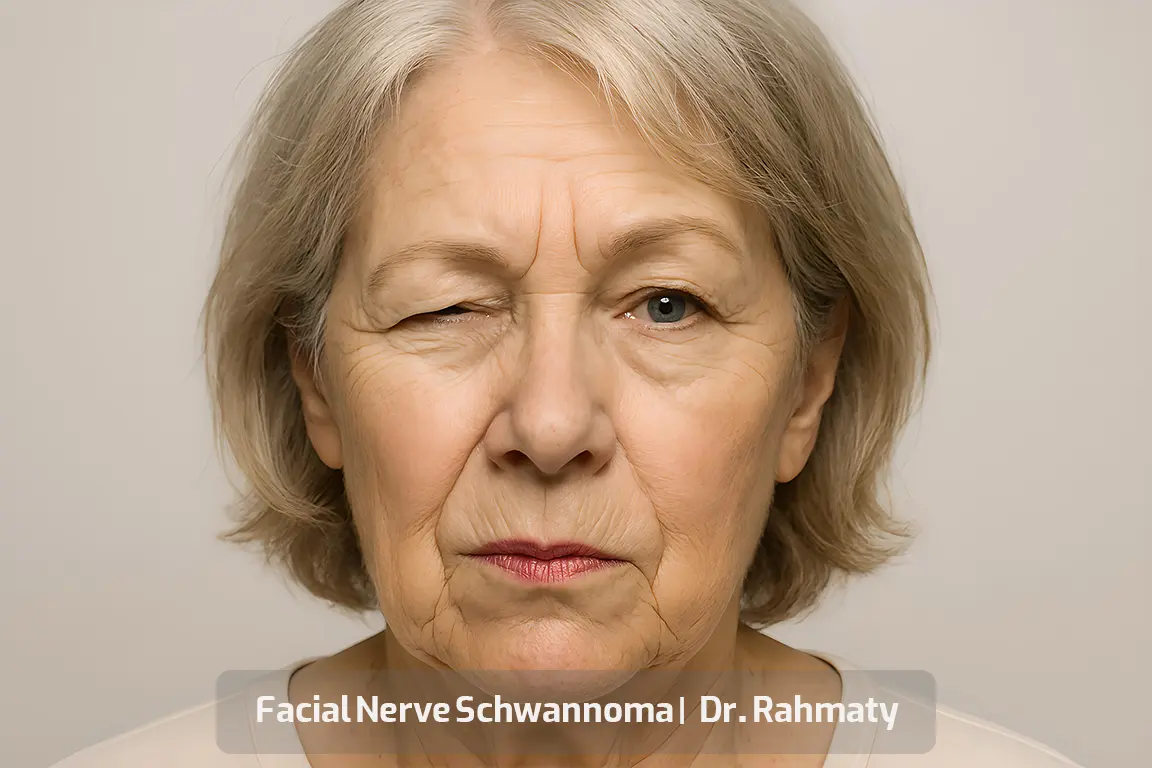
Who Is a Candidate for Facial Nerve Surgery?
One of the most important factors in deciding whether surgery is appropriate is the cause of facial paralysis. Patients whose paralysis results from direct nerve injury, complete nerve transection, or irreversible nerve dysfunction generally benefit the most from surgery.
In general, the following individuals may be good candidates for facial paralysis surgery:
Patients whose facial nerve was injured in a motor vehicle accident or severe facial trauma.
Patients who sustained facial nerve injury during surgery for parotid gland tumors, ear tumors, or skull base tumors.
Individuals with complete facial nerve transection.
Patients who show no signs of nerve recovery after several months.
Individuals with permanent facial paralysis.
Selected patients with congenital facial paralysis.
Patients whose diagnostic evaluations show that their facial muscles remain capable of responding to nerve signals.
In all of these situations, the choice of surgical technique depends on the patient’s specific condition, and no single approach is suitable for everyone.

Which Patients Have the Highest Chance of Success?
Although facial nerve reconstruction techniques have advanced considerably, treatment outcomes are not the same for every patient. Clinical experience has shown that some patients respond better than others.
For example, patients treated soon after nerve injury generally achieve better outcomes. Likewise, individuals whose facial muscles have not yet undergone significant atrophy have a greater chance of regaining natural facial movement.
Patients whose paralysis is caused by a clean nerve transection or a well-defined nerve injury also tend to achieve better surgical results than those with extensive crush injuries or severe nerve damage caused by tumor removal.
Who Is Usually Not a Candidate for Surgery?
Just as not every patient requires surgery, there are situations in which an operation is unlikely to provide significant benefit.
Patients with mild Bell’s palsy who are already recovering usually do not require surgery. Likewise, when long-standing facial paralysis has led to complete muscle atrophy and permanent loss of muscle function, surgeons generally recommend procedures such as free muscle transfer or static facial reanimation rather than direct nerve repair.
In some cases, severe underlying medical conditions or poor overall health may also limit the possibility of surgery.

When Is the Best Time for Facial Paralysis Surgery?
One of the most important factors influencing treatment success is the timing of surgery. Contrary to popular belief, surgery should not always be performed immediately after paralysis develops, nor should it be postponed for too long.
If the facial nerve has been completely severed due to trauma or surgery, early repair usually provides the best results. In conditions such as Bell’s palsy, however, physicians typically allow sufficient time for spontaneous nerve recovery before considering surgery.
In general, the shorter the interval between nerve injury and appropriate treatment, the greater the likelihood of preserving muscle function and achieving a successful surgical outcome.
Why Does Timing Matter?
Peripheral nerves have the ability to regenerate, but facial muscles cannot wait indefinitely for nerve signals to return. When muscles remain without nerve stimulation for a prolonged period, they gradually undergo atrophy and fibrosis. Even if the nerve is successfully repaired later, normal facial movement may not fully return.
For this reason, surgeons strive to make the most appropriate treatment decision before irreversible muscle degeneration occurs.
What Factors Are Considered When Selecting a Surgical Candidate?
The decision to perform facial nerve surgery is not based solely on the presence of facial paralysis. Surgeons evaluate multiple factors to determine whether surgery is likely to provide meaningful benefit.
The most important factors include:
Cause of facial paralysis | Time elapsed since the injury | Location of the nerve injury | Severity of nerve damage | Condition of the facial muscles | Electromyography (EMG) findings | Patient’s age | Underlying medical conditions | Overall health status | Patient’s treatment expectations
Evaluating these factors helps the surgeon choose the most appropriate treatment strategy for each individual patient.
Does the Patient’s Age Matter?
Age is one of the factors that influences nerve regeneration, but it is not the primary determinant. Younger individuals generally recover more quickly because their bodies have a greater capacity for nerve repair.
However, many middle-aged and older patients also achieve excellent outcomes from facial paralysis surgery when the appropriate surgical technique is selected and postoperative rehabilitation is performed properly. Therefore, the final decision depends more on the condition of the nerve and facial muscles than on the patient’s age alone.

The Role of Imaging and Electromyography in Patient Selection
Before deciding on surgery, physicians usually perform several diagnostic tests to evaluate the condition of the facial nerve.
Electromyography (EMG) provides valuable information about muscle viability and the extent of nerve damage. When necessary, MRI or CT scans are also performed to evaluate the course of the facial nerve and identify tumors or other underlying abnormalities.
Combining the results of these diagnostic studies enables the surgeon to determine the most appropriate treatment plan for each patient.
The Importance of Early Evaluation
One of the most common mistakes patients make is waiting for spontaneous recovery without consulting a specialist. Although some types of facial paralysis improve without surgery, delaying a professional evaluation may result in the loss of the optimal treatment window.
Early consultation allows the physician to identify the cause of paralysis, assess the likelihood of spontaneous recovery, and determine the best time for facial paralysis surgery if surgical treatment is necessary.

Conclusion
Not every patient with facial paralysis requires surgery. However, for selected individuals, facial paralysis surgery offers the most effective solution for restoring facial muscle function and improving quality of life. Determining who is a candidate for facial nerve surgery depends on several factors, including the cause of the injury, the duration of paralysis, the condition of the facial muscles, diagnostic findings, and the patient’s overall health.
The most important point is that the best time for facial paralysis surgery varies from one patient to another and can only be determined after a comprehensive evaluation by an experienced specialist. Early diagnosis, timely referral, and selecting the appropriate treatment strategy can significantly increase the likelihood of successful surgery and the restoration of natural facial movement.
Facial Nerve Reconstruction Surgery with Dr. Benjamin Rahmati
Dr. Benjamin Rahmati utilizes advanced expertise in head and neck surgery and modern facial nerve reconstruction techniques to provide comprehensive evaluation and individualized treatment for patients with facial paralysis. Based on the underlying cause of the injury, the duration of paralysis, the condition of the facial muscles, and each patient’s unique clinical situation, he develops a personalized treatment plan. The goal is not only to restore facial movement but also to preserve eye function, improve facial symmetry, enhance functional abilities, and ultimately improve the patient’s quality of life.