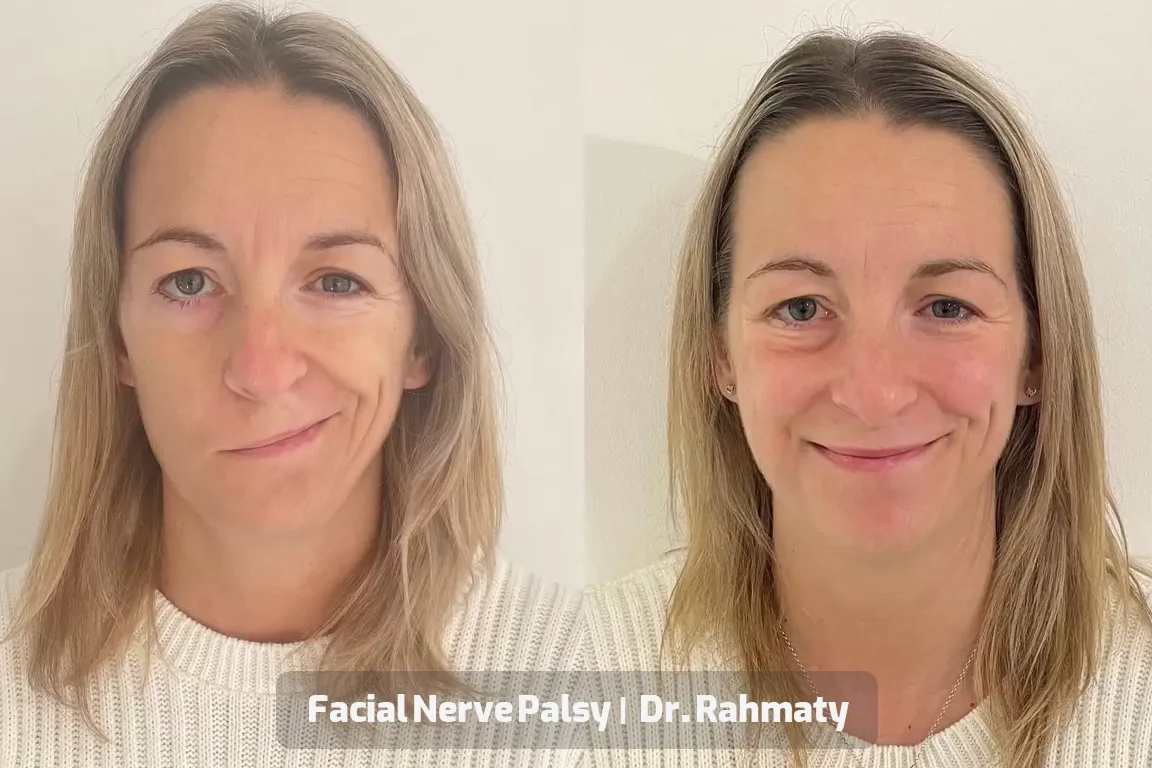
Facial Nerve Repair & Grafting
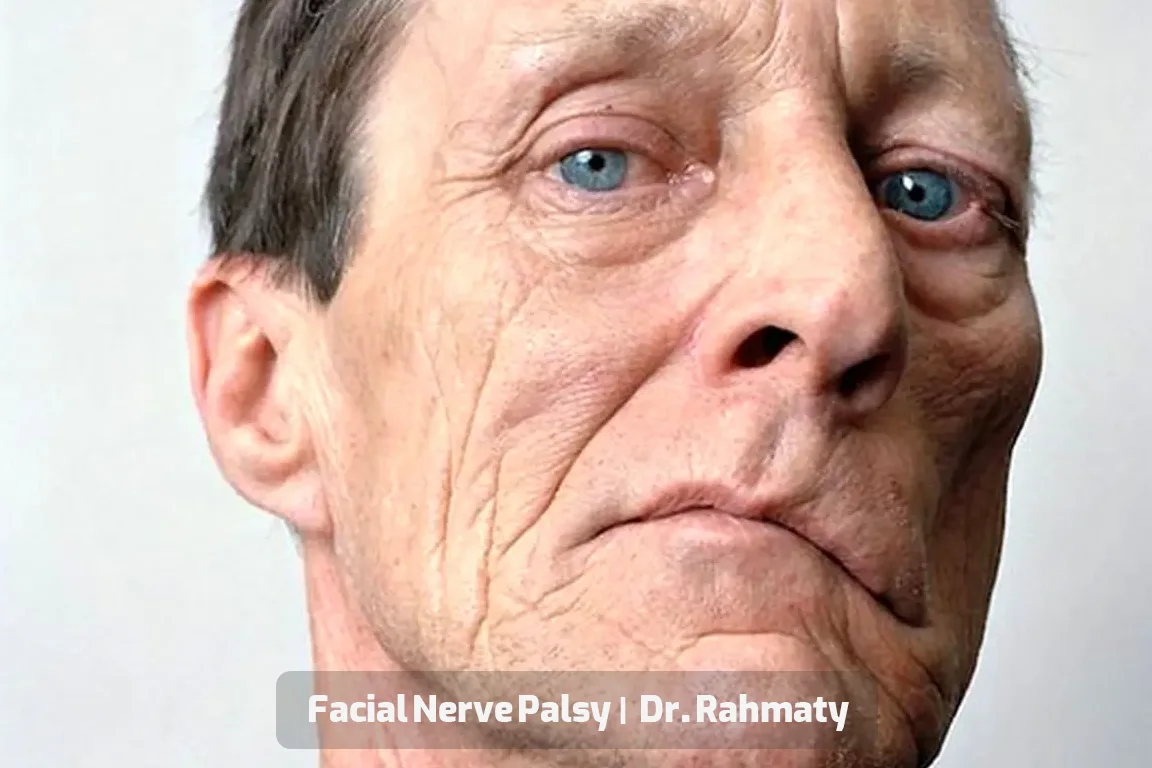
Damage to the facial nerve can affect facial appearance, speech, eating, blinking, and even self-confidence. Treatment often includes Facial nerve repair or Facial nerve grafting, depending on the severity and location of the injury. If surgeons diagnose the injury early, they can reconnect the nerve directly or use a nerve graft. These techniques restore the nerve pathway and increase the chance of facial muscle recovery.
Surgeons choose between facial nerve repair and facial nerve grafting based on several factors. These factors include the cause of injury, injury location, nerve gap, injury duration, and muscle condition. Earlier treatment usually leads to better recovery of facial muscle function. This article explains repair and grafting techniques, surgical steps, success rates, postoperative care, and factors that influence outcomes.

What Is the Facial Nerve and What Does It Do?
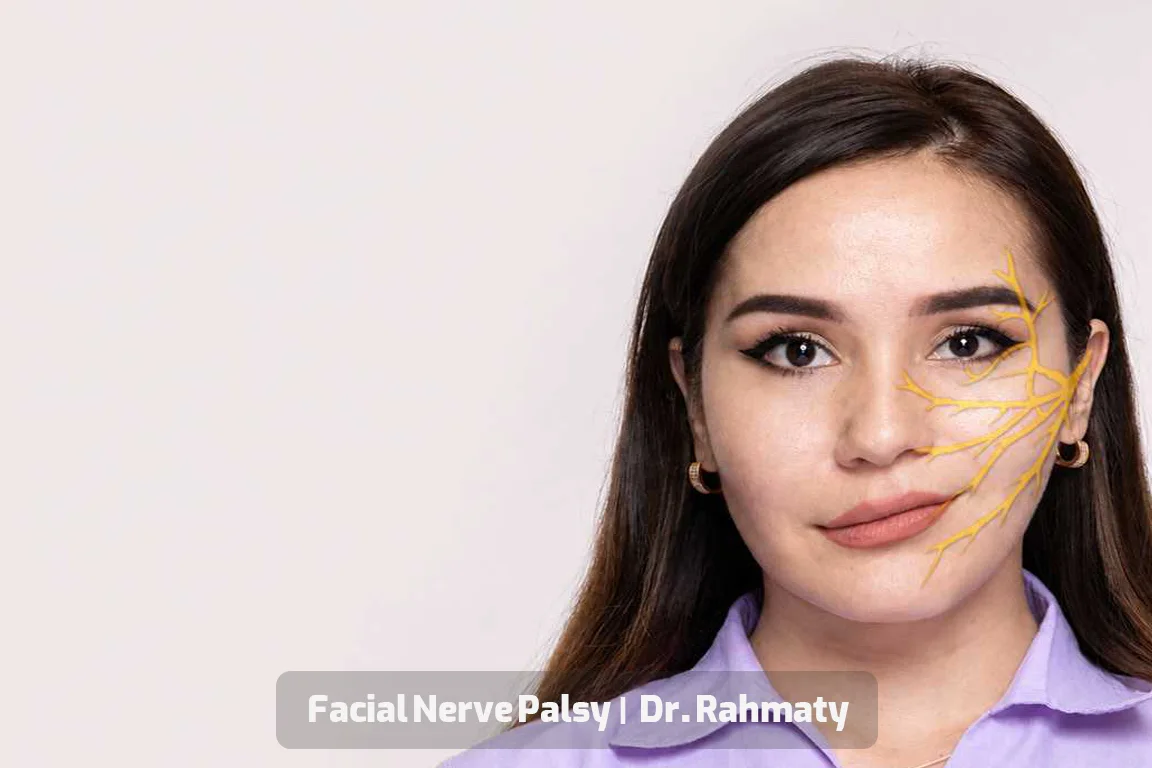
The facial nerve, also called the seventh cranial nerve (Facial Nerve), controls most facial muscles.
It allows people to:
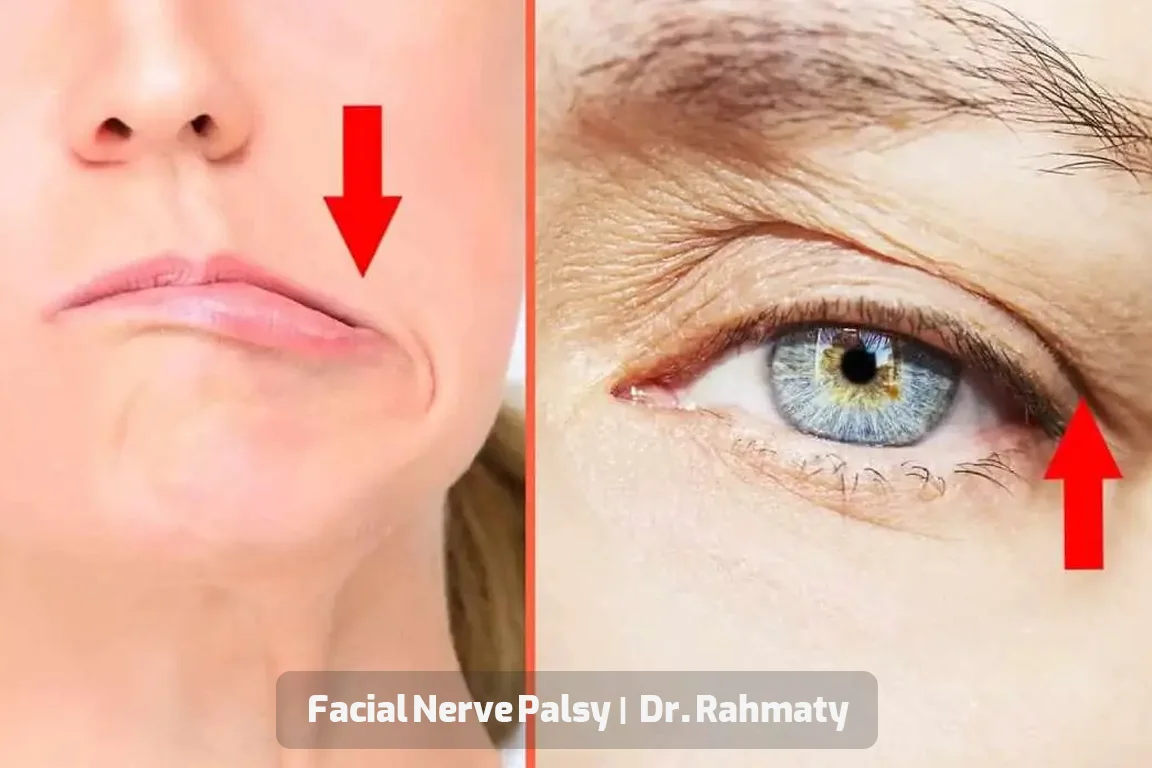
Smile | Frown | Close their eyes | Raise their eyebrows | Move their lips while speaking | Maintain facial symmetry
The facial nerve also controls taste in the front of the tongue. It also regulates tear and saliva production. Therefore, facial nerve injury causes more than muscle paralysis. It can also lead to dry eyes, reduced saliva, and taste disturbances.
What Causes Facial Nerve Injury?
Many conditions can damage the facial nerve. The severity ranges from temporary inflammation to complete nerve transection.
Common causes include:
Temporal bone fractures | Motor vehicle accidents | Ear surgery | Salivary gland surgery | Skull base tumor removal | Facial nerve tumors | Penetrating facial injuries | Gunshot wounds | Sharp object injuries | Certain infections | Congenital facial paralysis
Bell’s palsy usually does not involve nerve transection. Most patients with Bell’s palsy do not need surgery. However, severe injuries or complete nerve transections often require facial nerve repair or facial nerve grafting.
When Is Facial Nerve Repair Possible?
The timing of surgery plays a major role in treatment success. Facial muscles remain alive and responsive for a limited time after nerve injury. Long periods without nerve stimulation cause gradual muscle atrophy. Even successful nerve repair may not restore normal movement after severe muscle wasting. For this reason, surgeons usually reconstruct the nerve as soon as they confirm nerve transection.
In general:
Immediate repair provides the best outcomes | Repair within several weeks still offers high success rates | Delayed treatment increases the risk of muscle atrophy | Long-standing paralysis may require nerve transfer or free muscle transfer
Every patient has unique conditions. The surgeon makes the final decision after examination, imaging, and electrodiagnostic testing.
Direct Facial Nerve Repair (Facial Nerve Repair)
Direct facial nerve repair is the simplest and most effective reconstruction technique. Surgeons use this method when both nerve ends meet without tension. They reconnect the nerve ends under a surgical microscope. They use extremely fine microsutures for precise alignment. This technique recreates the natural pathway for regenerating nerve fibers.
Direct repair offers several advantages:
Preserves the natural nerve pathway | Provides the highest chance of muscle recovery | Eliminates the need for donor nerve harvesting | Reduces the number of surgical sites | Improves the chance of restoring natural facial movement
This technique only works when surgeons can reconnect the nerve without tension. Excessive tension increases the risk of repair failure. In such cases, facial nerve grafting becomes the better option.

Facial Nerve Grafting (Facial Nerve Grafting)
Some patients lose part of the facial nerve because of severe injury or tumor removal. These situations create a gap between the nerve ends. Direct repair becomes impossible in these cases. Surgeons then perform facial nerve grafting. The surgeon first harvests a donor nerve from another part of the body.
The surgeon then places the graft between both facial nerve ends. The graft acts as a bridge for nerve regeneration. The nerve graft provides a pathway for growing axons. The regenerating nerve fibers gradually grow through the graft. They eventually reach the facial muscles. This process takes time. Patients may wait several months or more than one year before seeing meaningful improvement.
What Nerves Are Used for Facial Nerve Grafting?
During facial nerve grafting, the surgeon creates a pathway for regenerating nerve fibers. The surgeon selects a sensory nerve that causes minimal functional loss after removal. The choice depends on the defect length, injury location, and the patient’s condition.
The sural nerve is the most common donor nerve. The surgeon harvests it from the outer part of the lower leg. Its length makes it suitable for repairing long facial nerve defects. Most patients experience only mild numbness along the outer foot. This numbness rarely affects daily activities.
Some surgeons use the great auricular nerve. This nerve lies in the neck and sits close to the surgical field. The nearby location makes harvesting easier. It works well when the nerve gap remains relatively short.
In selected cases, the surgeon may choose other sensory nerves. The final choice depends on the injury pattern and the patient’s needs. The surgeon always looks for a nerve with the right diameter, adequate length, and healthy tissue. These features support successful nerve regeneration.
How Is Facial Nerve Grafting Performed?
The surgeon performs Facial Nerve Grafting under general anesthesia with an operating microscope. The surgeon first identifies the healthy ends of the injured facial nerve. Next, the surgeon removes damaged tissue and prepares both nerve ends for repair.
The surgeon then harvests a donor nerve from the selected site. After harvesting, the surgeon trims the graft to the required length. Next, the surgeon places the graft between both facial nerve ends. The surgeon connects each end with extremely fine microsurgical sutures. Precise alignment improves the chance of better facial movement after recovery.
Before closing the incision, the surgeon confirms that nothing compresses or stretches the graft. Finally, the surgeon closes the wound and begins postoperative care. Patients should not expect immediate facial movement. New nerve fibers must grow through the graft before reaching the facial muscles.

What Happens After Facial Nerve Grafting?
The repaired nerve cannot transmit signals immediately after surgery. The body first begins the natural regeneration process. New nerve fibers gradually grow through the graft. On average, they grow about one millimeter each day. Age, injury severity, graft quality, and overall health influence this rate.
Many patients notice no facial movement during the first few months. This delay is normal and does not indicate treatment failure. The first signs of movement usually appear six to nine months after surgery. Recovery continues gradually for up to eighteen months or longer.
Regular follow-up visits help the surgeon monitor nerve regeneration. Physical therapy also plays an essential role in achieving the best possible outcome.
What Factors Affect the Success of Facial Nerve Repair and Grafting?
Many factors influence the success of facial nerve repair and facial nerve grafting. Surgery alone does not determine the final result. The timing of surgery remains one of the most important factors. Earlier treatment gives facial muscles a better chance to survive and recover.
The cause of injury also affects the outcome. Clean cuts usually heal better than crush injuries or high-energy trauma. Healthy facial muscles improve recovery. Younger patients often achieve better results. Diabetes, smoking, and poor overall health may slow nerve healing.
The surgeon’s experience also plays a critical role. Facial nerve reconstruction requires advanced microsurgical skills and detailed anatomical knowledge. Patients also contribute to their recovery. Regular rehabilitation exercises, eye protection, and follow-up appointments improve long-term results.
How Successful Are Facial Nerve Repair and Grafting?
Many patients ask whether facial nerve grafting can completely restore facial movement. The answer depends on several factors. No single success rate applies to every patient. Early treatment offers the best chance for recovery. Healthy facial muscles also improve the final outcome.
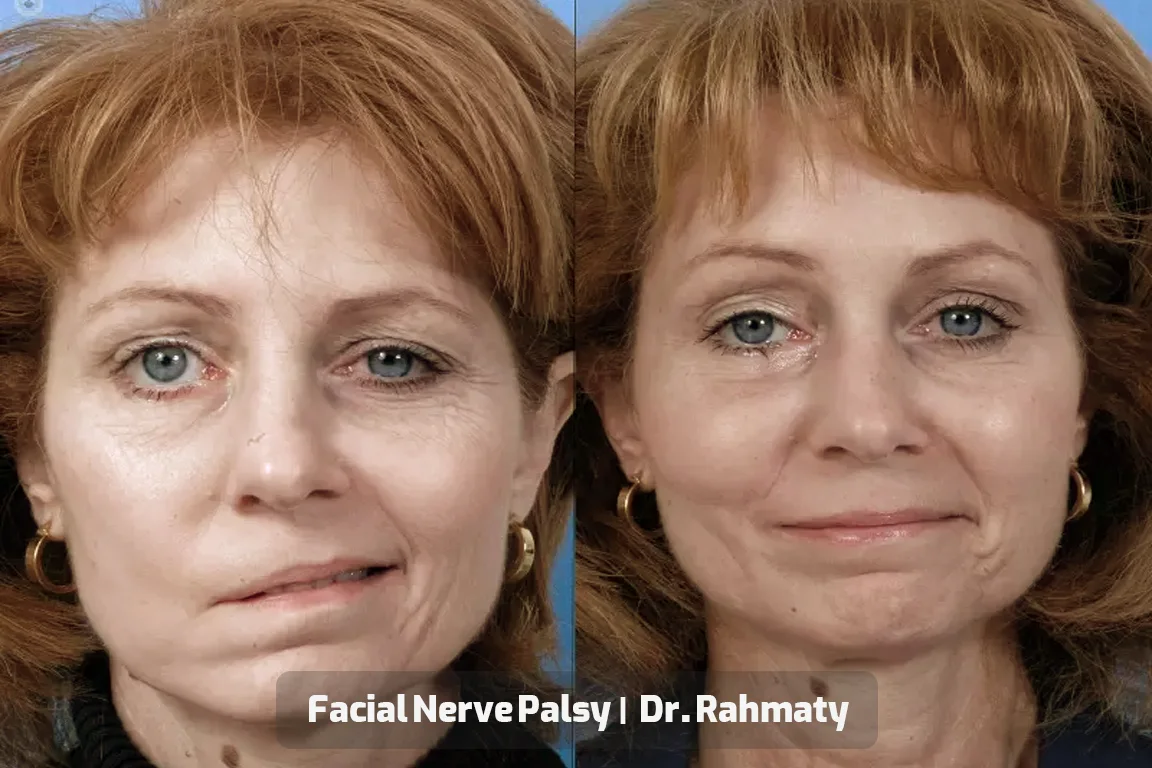
The main goals include restoring voluntary facial movement, improving facial symmetry, helping the eye close completely, and improving speech and eating. Many patients achieve significant functional improvement. However, most patients do not regain exactly the same function they had before the injury.
Recovery takes time. New nerve fibers must first reach the target muscles. The muscles then need time to regain strength and coordination. Surgeons usually evaluate the final outcome after twelve to eighteen months. Some patients continue improving for up to two years. Patients with long-standing facial paralysis may not benefit from nerve grafting alone. In these cases, nerve transfer or free muscle transfer often provides better results.
Postoperative Care After Facial Nerve Repair or Grafting
The recovery period plays a major role in treatment success. Careful postoperative care and rehabilitation improve the final outcome. Patients should get adequate rest during the first few days after surgery. They should also avoid strenuous activities and protect the surgical site from pressure. Taking prescribed medications exactly as directed supports proper healing.
Some patients cannot close the affected eyelid completely. These patients should use artificial tears, lubricating eye gel, and protective eye shields. These measures help prevent corneal injury and eye dryness. Once the initial healing phase ends, facial rehabilitation begins. Specialized exercises help patients activate facial muscles correctly. These exercises also reduce unwanted muscle contractions.
Many rehabilitation programs include mirror therapy, facial massage, and biofeedback. These techniques improve facial coordination and muscle control.
Regular follow-up visits remain essential throughout recovery. The surgeon monitors nerve regeneration and facial function. When necessary, the surgeon may recommend additional treatments, including Botox injections or revision procedures.
Possible Complications of Facial Nerve Repair and Grafting
Like any surgical procedure, facial nerve repair and facial nerve grafting may cause complications. However, an experienced surgeon can minimize these risks. Most patients experience mild swelling, bruising, and pain during the first few days. These symptoms usually resolve within a few weeks.
Some patients notice mild numbness at the donor nerve site. In most cases, the numbness gradually becomes less noticeable. Other possible complications include infection, bleeding, scar formation, incomplete facial movement recovery, and synkinesis.
Synkinesis causes unintended facial movements. For example, the eyelid may close while the patient smiles. Specialized facial therapy and Botox injections often improve these unwanted movements. Patients should understand that the absence of facial movement during the first few months is normal. This delay reflects natural nerve regeneration rather than treatment failure. Doctors should evaluate the final outcome only after sufficient healing time.
Who Is a Good Candidate for Facial Nerve Repair or Grafting?
Not every patient with facial paralysis requires facial nerve grafting. The surgeon selects the most appropriate treatment after evaluating several factors. The evaluation includes the cause of paralysis, the time since injury, facial muscle condition, and diagnostic test results.
Patients with facial nerve injuries from trauma, deep lacerations, surgery, or tumor removal often qualify for these procedures. Patients with a large nerve gap also benefit from facial nerve grafting because direct repair becomes impossible.
Patients with long-standing facial paralysis and severe muscle atrophy may not benefit from facial nerve repair. These patients often achieve better outcomes with nerve transfer or free muscle transfer. Early evaluation by an experienced facial nerve surgeon remains essential. Prompt diagnosis increases the chance of successful reconstruction.
Frequently Asked Questions
Can facial nerve grafting completely restore facial movement?
The primary goal is to restore as much facial function as possible. The final result depends on injury severity, surgical timing, muscle health, and recovery. Many patients regain significant facial symmetry and movement. Complete recovery is not always possible.
When will I see the results after surgery?
Nerve regeneration takes time. Most patients notice the first signs of movement between six and nine months after surgery. Doctors usually assess the final outcome after twelve to eighteen months.
Does removing the sural nerve cause problems?
Most patients experience only mild numbness along a small area of the outer foot. This numbness rarely affects walking or daily activities.
Is physical therapy necessary after surgery?
Yes. Rehabilitation is an essential part of treatment. It improves muscle coordination, enhances facial movement, and reduces unwanted muscle activity.
Conclusion
Facial nerve repair and facial nerve grafting represent two of the most effective treatments for severe facial nerve injuries. These procedures can restore voluntary facial movement, improve facial symmetry, and enhance quality of life. The surgeon chooses the most appropriate technique based on the cause of injury, the nerve defect, the duration of paralysis, and the condition of the facial muscles.
Early diagnosis and timely surgery offer the best chance for successful recovery. If you or a loved one has facial paralysis or a facial nerve injury, early evaluation by an experienced facial nerve surgeon is essential.
Dr. Benyamin Rahmaty, an otolaryngologist and fellowship-trained facial plastic surgeon, specializes in Facial Reanimation procedures. He performs facial nerve repair, facial nerve grafting, nerve transfer, and other advanced facial reconstruction techniques. After a comprehensive evaluation, he develops a personalized treatment plan to achieve the best possible functional and aesthetic outcome.