Success Rate of Facial Nerve Reconstruction Surgery: A Comprehensive Review of Facial Paralysis Surgery Success and Facial Nerve Reconstruction Success Rate
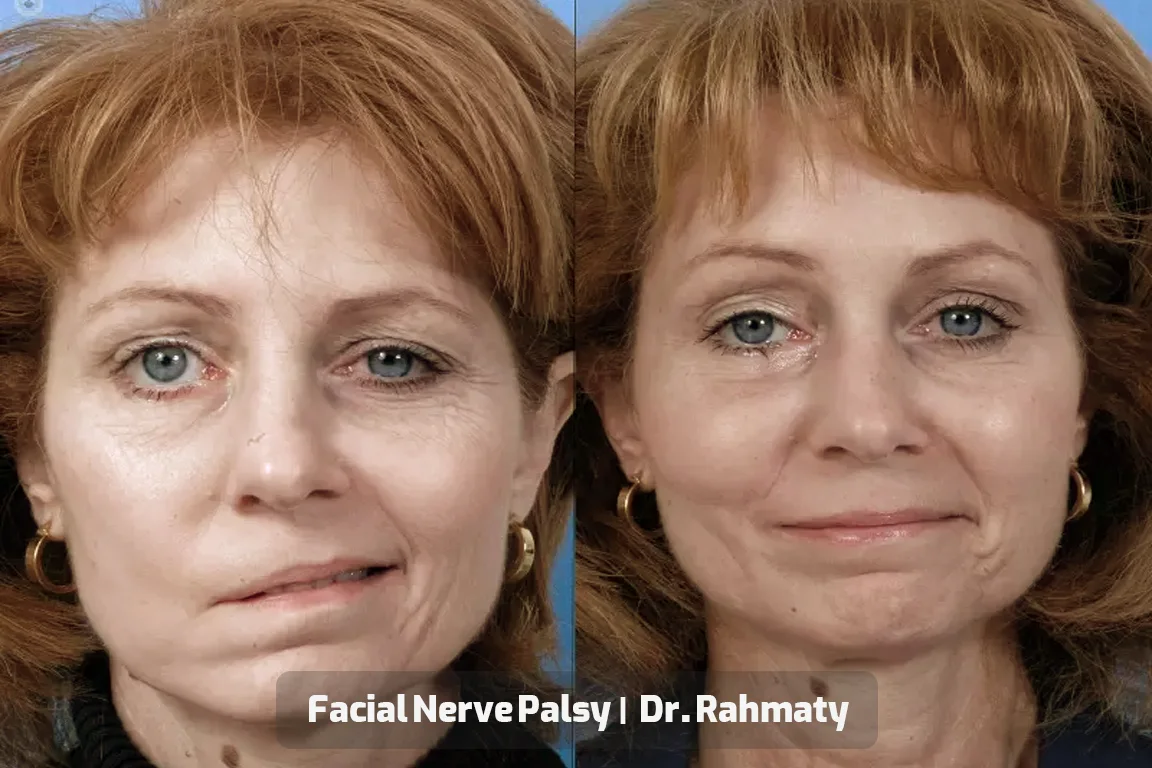
Facial paralysis is a condition that can affect not only a person’s appearance but also the normal function of the facial muscles. Difficulty smiling, incomplete eye closure, impaired speech, and problems with eating are just some of the challenges that patients may experience. As a result, one of the most common questions after a facial nerve injury is: What is the success rate of facial paralysis surgery, and can normal facial movement be fully restored? The truth is that there is no single percentage that accurately represents the facial nerve reconstruction success rate for every patient.
Treatment outcomes vary among patients. Several factors influence the results. These include the cause of nerve injury, paralysis duration, facial muscle condition, surgical technique, treatment timing, and the surgeon’s experience.
Recent advances in microsurgery have improved facial nerve reconstruction outcomes. Many patients now regain significant facial function. This article reviews the factors affecting facial paralysis surgery success. It also discusses reconstruction techniques, treatment expectations, and ways to improve surgical outcomes.

What Does Success Mean in Facial Paralysis Surgery?
Many people define surgical success as the complete return of facial movement after injury. However, medical professionals use a broader definition.
Facial nerve reconstruction surgery aims to achieve several important goals, including:
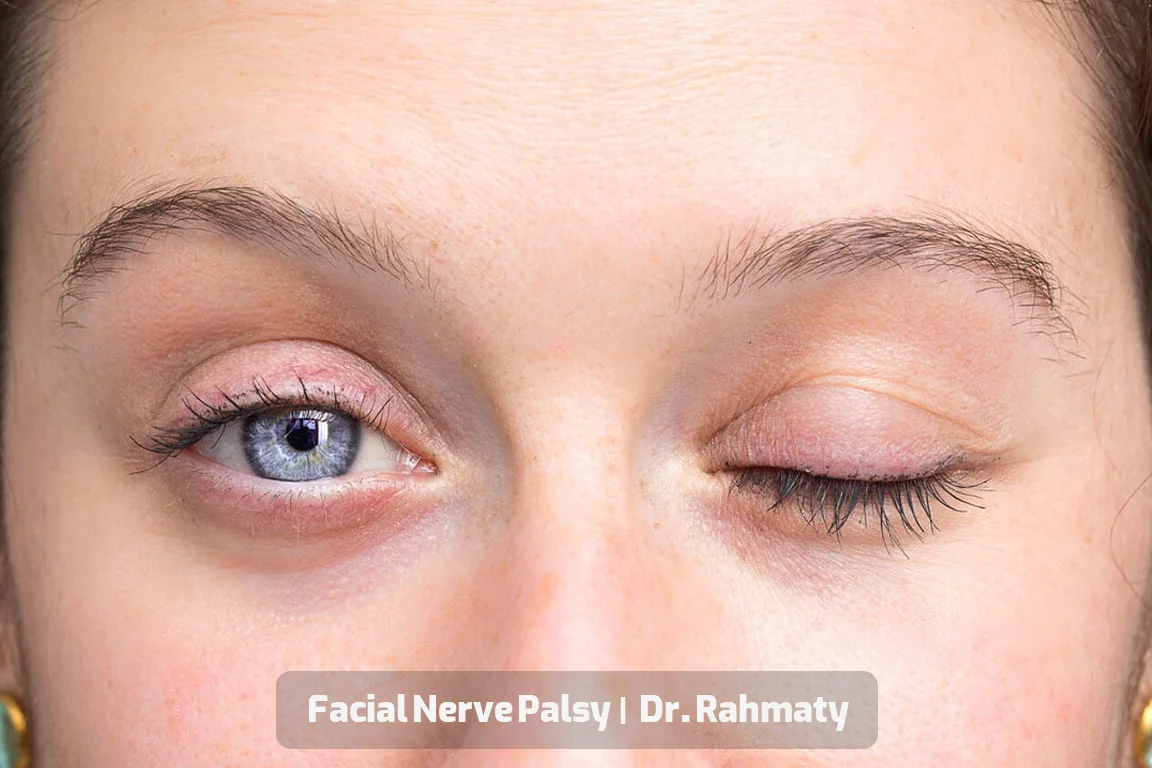
Restoring voluntary facial muscle movement | Improving facial symmetry | Creating a more natural smile | Increasing the ability to close the eyelids completely | Protecting the eye from dryness and corneal injury | Improving speech and eating function | Enhancing self-confidence and overall quality of life
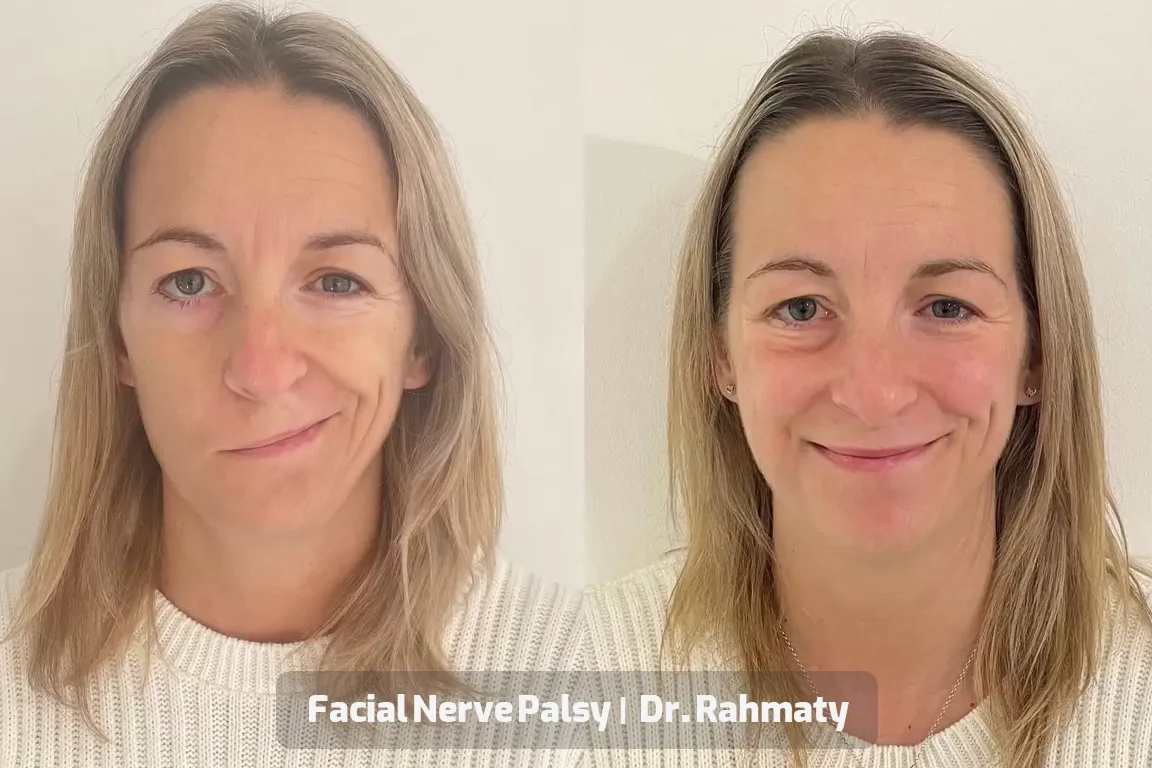
Doctors may consider surgery highly successful when a patient regains full eye closure or achieves a symmetrical smile. This applies even if full facial movement does not return.
Is the Facial Nerve Reconstruction Success Rate the Same for Every Patient?
No. Every patient presents with unique clinical conditions, making it impossible to assign one specific success rate to everyone.
For example, a patient who undergoes surgery only a few days after sustaining a facial nerve injury generally has a much better prognosis than someone who has experienced facial paralysis for two years. Likewise, patients whose facial muscles remain healthy usually achieve better outcomes than those with severe muscle atrophy.
Therefore, before recommending any treatment, the surgeon carefully evaluates the cause of paralysis, the duration of the injury, the condition of the facial muscles, electromyography (EMG) findings, and the patient’s overall health. This comprehensive assessment helps estimate the likelihood of surgical success and determine the most appropriate treatment strategy.
Factors That Influence the Success of Facial Paralysis Surgery
Cause of Facial Nerve Injury
The underlying cause of facial paralysis is one of the most important factors affecting surgical outcomes.
Facial nerve injuries caused by trauma, lacerations, or previous surgery often produce favorable results when repaired promptly. In contrast, progressive neurological disorders or long-standing nerve injuries may have a less predictable prognosis.
Similarly, patients who develop facial nerve damage after parotid gland surgery or skull base tumor removal often achieve better outcomes when facial nerve reconstruction is performed immediately or as early as possible.
Duration of Facial Paralysis
The length of time between the nerve injury and surgical treatment plays a critical role in determining the facial nerve reconstruction success rate.
After a nerve injury occurs, the facial muscles retain their ability to respond to nerve signals for a limited period. If nerve continuity is restored during this window, the likelihood of recovering facial movement is significantly higher.
However, prolonged facial paralysis gradually leads to muscle atrophy. Once severe muscle degeneration develops, restoring the nerve alone may no longer be sufficient to recover normal facial function.
For this reason, facial nerve surgeons strongly recommend early evaluation so that the most effective treatment options remain available.

Condition of the Facial Muscles
Successful facial nerve reconstruction depends not only on the health of the nerve but also on the condition of the facial muscles.
Muscles that remain without nerve stimulation for an extended period gradually lose their ability to contract because of muscle atrophy. In these situations, a free muscle transfer may provide a better solution than direct nerve repair or nerve grafting.
The surgeon evaluates muscle viability through physical examination, imaging studies, and electromyography (EMG) before selecting the most appropriate treatment approach.
Type of Facial Nerve Reconstruction Procedure
The surgical technique also has a direct impact on treatment outcomes.
In recent injuries, direct nerve repair often provides the best results because it preserves the nerve’s natural pathway for transmitting signals.
When the gap between the two ends of the nerve is too large, nerve grafting can successfully bridge the defect and restore neural continuity.
For long-standing facial paralysis, nerve transfer procedures or free muscle transfer generally offer the greatest chance of restoring meaningful facial movement.
Therefore, no single surgical technique is universally superior. Instead, each procedure is designed for specific clinical situations and should be selected according to the patient’s individual condition.
Patient Age
Age may also influence the healing capacity of injured nerves.
In general, younger patients tend to achieve better outcomes because their nerves regenerate more effectively and their facial muscles maintain greater functional potential.
Nevertheless, this does not mean that surgery is unsuccessful in older adults. Many elderly patients also experience significant improvement when an appropriate surgical technique is combined with proper postoperative rehabilitation.
Surgeon’s Experience
Facial nerve reconstruction is one of the most technically demanding microsurgical procedures. A surgeon’s experience strongly influences the final outcome.
The surgeon selects the most appropriate reconstructive technique. Precise nerve coaptation and adequate blood supply improve surgical outcomes. A comprehensive rehabilitation plan supports long-term recovery. These steps require extensive expertise and experience.
An experienced facial nerve surgeon can significantly improve the likelihood of a successful surgical outcome.
Success Rates of Different Facial Nerve Reconstruction Techniques
One of the most common questions patients ask is which facial nerve reconstruction technique offers the highest success rate. The answer depends on each patient’s individual condition, and no single procedure is considered the best option for everyone. After evaluating the cause of facial paralysis, the duration of the injury, the condition of the facial muscles, and the results of diagnostic tests, the surgeon selects the most appropriate treatment approach.
Direct Nerve Repair
Direct nerve repair is performed when the two ends of the injured facial nerve are close enough to be reconnected without tension.
This technique generally provides the best outcomes for recent injuries because it preserves the nerve’s natural pathway for transmitting electrical signals. When performed promptly after the injury, many patients regain a substantial degree of facial muscle function.
Nerve Grafting
When the gap between the two ends of the facial nerve is too large for direct repair, the surgeon performs a nerve graft.
During this procedure, a segment of a healthy sensory nerve is harvested from another part of the body and used to bridge the gap between the severed ends of the facial nerve.
Although functional recovery takes longer with this technique, many patients experience significant improvement in facial movement as the regenerating nerve fibers gradually grow through the graft and reconnect with the facial muscles.

Nerve Transfer
In some patients, facial nerve damage is so extensive that direct repair or nerve grafting is no longer possible. In these cases, the surgeon transfers a nearby healthy nerve to restore movement to the facial muscles.
Today, masseteric nerve transfer and partial hypoglossal nerve transfer are among the most successful surgical techniques for treating facial paralysis. These procedures can substantially improve smiling, movement of the corner of the mouth, and overall facial symmetry.
Free Muscle Transfer
Long-standing facial paralysis often causes severe facial muscle atrophy. Free muscle transfer may become the most effective treatment option.
The surgeon transfers the gracilis muscle from the inner thigh to the face. Microsurgical techniques reconnect its blood vessels and nerve. This procedure is more complex than other reconstructive techniques. However, it can restore active smiling and meaningful facial movement in many patients.
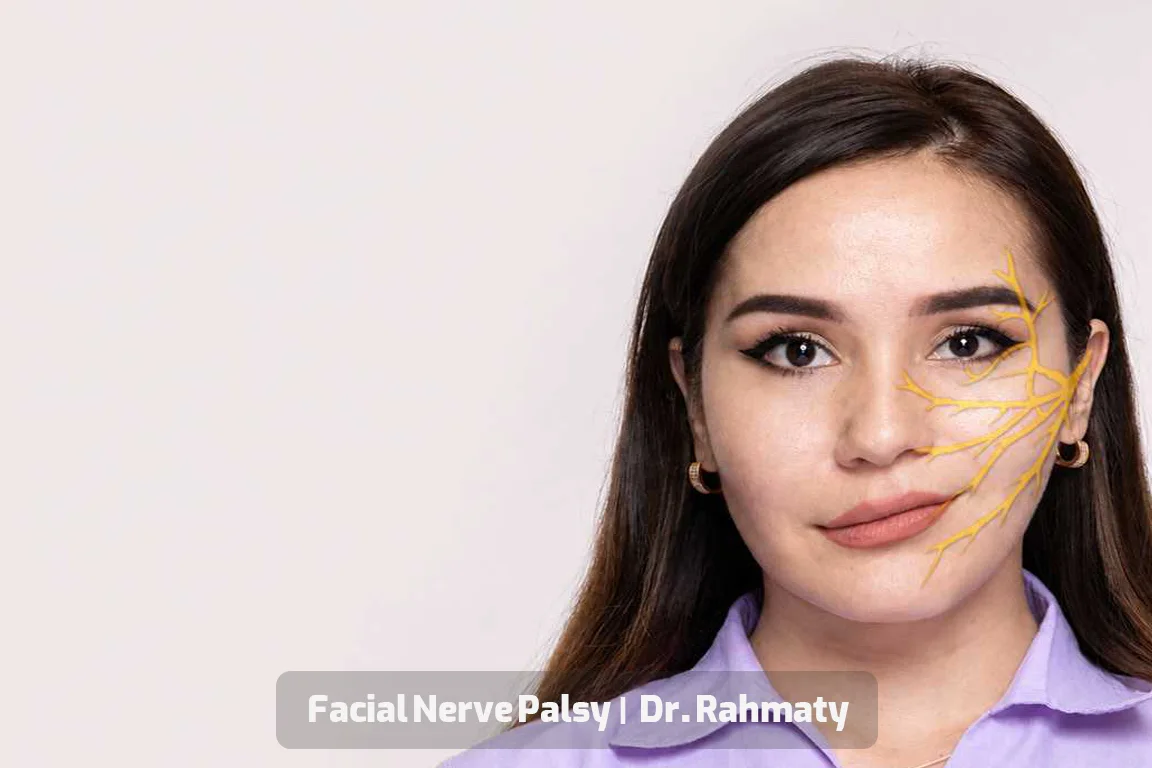
Can the Success Rate of Facial Paralysis Surgery Be Improved?
Although the severity of a nerve injury cannot be changed, several factors can increase the likelihood of a successful outcome.
Seeking medical evaluation as soon as facial paralysis develops is one of the most important steps a patient can take. The earlier treatment begins, the greater the chance of preserving facial muscle function.
Choosing a surgeon with extensive experience in facial nerve reconstruction also plays a critical role in treatment success. In addition, undergoing a thorough preoperative evaluation, carefully following all preoperative and postoperative instructions, and attending rehabilitation sessions regularly can all improve surgical outcomes.
Patients should also understand that facial nerve reconstruction is a gradual process. Achieving the best possible result requires patience, commitment, and consistent follow-up throughout the recovery period.
Recovery After Facial Nerve Reconstruction Surgery
Many patients want to know when they can expect to see the results of surgery.
Unlike many other surgical procedures, the results of facial nerve reconstruction are not immediately visible. Regenerating nerve fibers grow slowly and must travel from the repair site to the facial muscles before movement can return. As a result, it may take several months before the first signs of recovery become noticeable.
For many patients, the healing process continues for up to one year, and in some cases, final results may not become apparent for 18 months. During this period, regular follow-up appointments are essential because they allow the surgeon to monitor recovery and adjust the treatment plan whenever necessary.
The Role of Physical Therapy in the Success of Facial Paralysis Surgery
Successful treatment depends on more than surgery alone. After facial nerve reconstruction, the brain must adapt to new neural pathways, and the facial muscles must relearn coordinated movement.
For this reason, physical therapy is an essential part of the recovery process. Specialized facial exercises, massage therapy, smile training, techniques to control unwanted movements, and, in selected patients, biofeedback therapy can improve the quality and coordination of facial movements.
Patient participation is equally important. Individuals who consistently follow their rehabilitation program generally achieve better functional outcomes than those who do not complete postoperative therapy.
Frequently Asked Questions
Is facial paralysis surgery always 100% successful?
No. The outcome depends on several factors, including the cause of the injury, the duration of paralysis, the condition of the facial muscles, the surgical technique, and the patient’s commitment to rehabilitation. Nevertheless, many patients experience significant improvements in facial movement, symmetry, and daily function.
When can the final surgical outcome be evaluated?
Facial nerve regeneration is a gradual process. In most cases, the final outcome can be assessed between 12 and 18 months after surgery, and it is important not to judge the results too early.
Can long-standing facial paralysis still be treated?
Yes. Even if facial paralysis has been present for an extended period, treatment options such as nerve transfer and free muscle transfer may still provide meaningful functional improvement. The most appropriate procedure depends on each patient’s individual condition.
Does physical therapy really improve surgical outcomes?
Yes. Physical therapy helps the brain adapt to newly established neural pathways and improves coordination of the facial muscles. As a result, it plays a major role in maximizing the functional outcome of facial nerve reconstruction surgery.
Conclusion
Several factors influence the success of facial paralysis surgery. These include the cause of injury, treatment timing, facial muscle condition, reconstruction technique, surgeon’s expertise, and rehabilitation. No single facial nerve reconstruction success rate applies to every patient.
Advances in microsurgery have greatly improved facial nerve reconstruction outcomes. Many patients now regain smiling, better eye closure, and improved facial symmetry. Early diagnosis, timely treatment, careful surgical planning, and structured rehabilitation maximize the chances of a successful outcome.
Consult a Specialist to Evaluate Your Chances of Successful Treatment
Estimating the facial nerve reconstruction success rate is only possible after a comprehensive clinical evaluation. Every patient has unique circumstances. The surgeon evaluates the cause of facial paralysis, injury duration, facial muscle condition, and diagnostic findings before selecting the best treatment.
Dr. Benyamin Rahmaty, an ENT specialist and facial plastic surgeon, has extensive experience in the treatment of facial paralysis and facial nerve reconstruction surgery. After carefully evaluating each patient’s condition, he recommends the most appropriate treatment plan based on their individual needs.
If you or one of your loved ones is experiencing facial paralysis or a facial nerve injury, you can schedule a consultation with Dr. Benyamin Rahmaty to discuss your treatment options, evaluate your chances of recovery, and determine the most appropriate reconstructive approach.