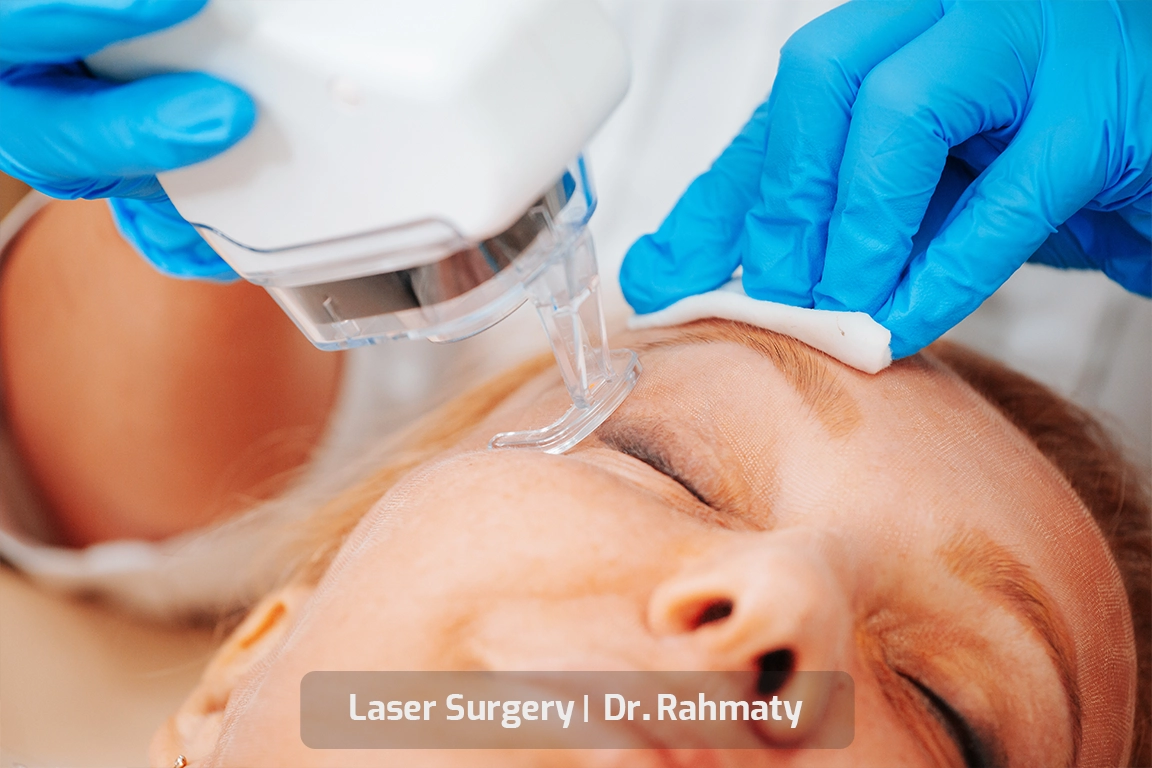
Who Is NOT a Good Candidate for CO₂ DEKA Laser? A Complete Review of Contraindications for DEKA Laser Treatment
CO₂ DEKA laser is one of the most advanced technologies in medical and aesthetic dermatology, offering powerful skin regeneration, wrinkle reduction, and scar improvement. However, this treatment is not suitable for everyone, and understanding DEKA laser contraindications and potential CO2 laser risks is essential to ensure safety and achieve optimal results.
If you would like a more comprehensive understanding of CO₂ DEKA laser technology, how it works, its medical and aesthetic applications, advantages, limitations, and the reasons behind its growing popularity, we recommend reading the comprehensive article “What Is CO₂ DEKA Laser and What Are Its Surgical Applications?”
This guide explains all key concepts and technical details related to DEKA laser in a clear and scientific manner, helping you choose the most appropriate treatment method.
Why Is Identifying DEKA Laser Contraindications Important?
Every individual’s skin has unique characteristics. Physiological conditions, medical history, and medications can significantly affect how the skin responds to laser treatment.
If proper patient selection is not followed, the risk of inflammation, pigmentation, or infection increases.
Therefore, before performing the procedure, a specialist physician must carefully evaluate the patient’s general and skin condition. If CO₂ DEKA laser contraindications are present, treatment should be postponed or an alternative method should be recommended.

1. Patients with Active Skin Diseases
Individuals with active skin infections, open wounds, severe acne, or active herpes in the treatment area should not undergo CO₂ laser treatment.
These conditions increase the risk of infection spread and delayed healing. The skin condition must first be treated before considering laser therapy.
2. Patients with a History of Recurrent Herpes
In patients who frequently experience cold sores around the lips or mouth, CO₂ laser treatment may reactivate the herpes virus.
In such cases, physicians usually prescribe antiviral medication before treatment to reduce the risk of complications.
3. Pregnant and Breastfeeding Women
One of the most important contraindications of DEKA laser is pregnancy and breastfeeding.
Although there is no conclusive scientific evidence of direct harm to the fetus, hormonal changes during this period make the skin more sensitive. Therefore, it is safer to postpone laser treatment until after this phase.
4. Individuals with a History of Keloid or Hypertrophic Scars
Patients prone to keloid or raised scars have a higher risk of abnormal scarring after laser treatment.
An experienced physician such as Dr. Benjamin Rahmati should carefully evaluate these individuals, proceed with extreme caution, or recommend alternative non-invasive treatments when appropriate.
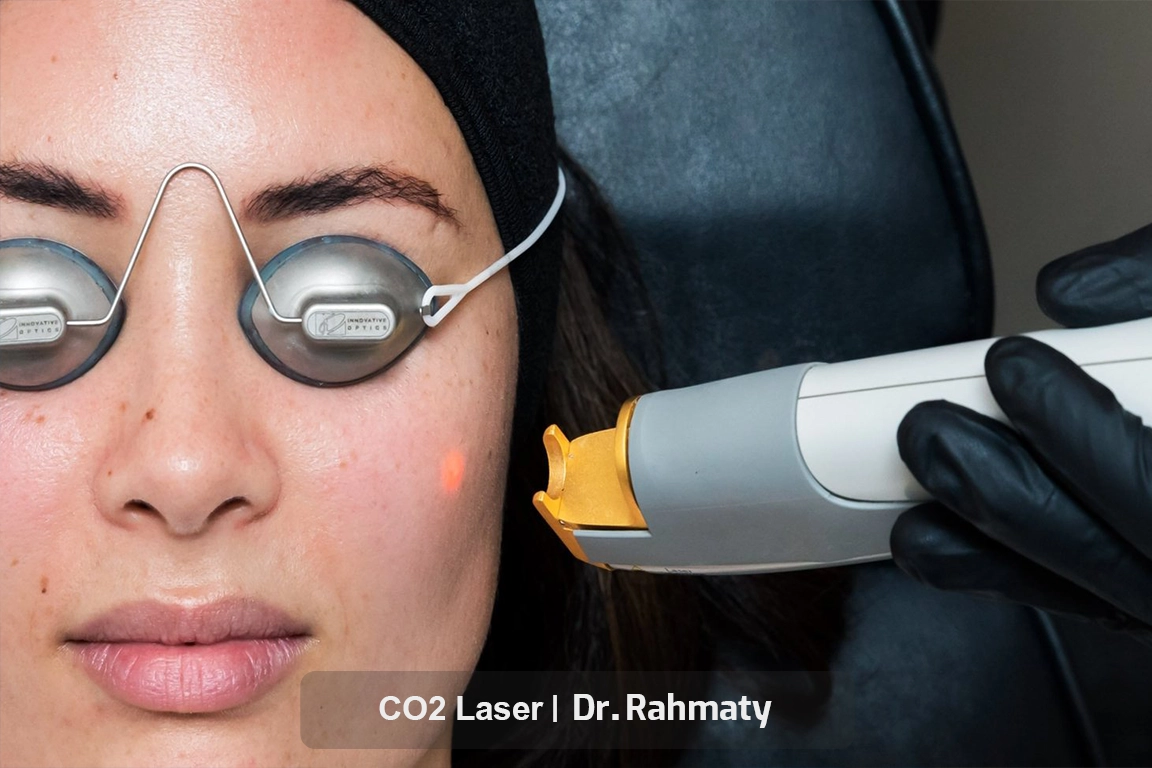
5. Patients Taking Certain Medications (Such as Isotretinoin)
Individuals who have taken retinoid medications such as isotretinoin (Accutane) within the past six months should not undergo CO₂ laser treatment.
These drugs thin the skin and significantly increase the risk of scarring and inflammation. The physician determines the appropriate timing for laser treatment after discontinuation.
6. Patients with Uncontrolled Systemic Diseases
Patients with uncontrolled conditions such as diabetes, hypertension, or bleeding disorders are at higher risk of infection and delayed wound healing.
These conditions must be properly managed before the patient becomes a suitable candidate for laser treatment.
7. Recently Tanned Individuals or Very Dark Skin Types
Skin that has been recently exposed to intense sunlight or artificial tanning is more prone to pigmentation changes after DEKA laser treatment.
To minimize CO2 laser risks , avoiding sun exposure and tanning beds for at least 4–6 weeks before the procedure is strongly recommended.

8. Individuals with Unrealistic Expectations
One group of people not suitable for CO₂ laser treatment includes those who expect instant and complete resolution of all skin problems.
Laser treatment often requires multiple sessions, strict aftercare, and patience during the healing process. During consultation, the physician explains realistic and achievable outcomes.
9. Patients Who Recently Underwent Surgery or Deep Peeling
If you have recently undergone skin surgery, deep chemical peeling, or microdermabrasion, your skin may still be in the regeneration phase.
In such cases, laser treatment may cause damage. A waiting period of 3 to 6 months is usually recommended.
10. Individuals Prone to Hyperpigmentation
In patients with a history of pigmentation disorders, especially melasma, the heat generated by laser treatment may worsen discoloration.
Physicians may use lower energy settings or prescribe anti-pigmentation medications before and after the procedure.
11. Patients with Metal Implants in the Treatment Area
In some cases, metal implants beneath the skin may react to laser energy and generate heat.
This issue must be disclosed to the physician before starting treatment.
Pre-Laser Care to Prevent Complications
Even if you are not in a high-risk group, following proper pre-treatment care is crucial:
Avoid sun exposure and tanning
Discontinue exfoliating products
Inform your doctor about medications and medical history
Use antiviral medication if you have a history of herpes
Follow all specialist recommendations carefully
Post-Laser Care for Faster Recovery
Use prescribed healing and moisturizing creams
Avoid direct sunlight and apply high-SPF sunscreen
Do not peel or scratch flaking skin
Drink plenty of water and maintain a healthy diet
These measures help reduce complications and improve final results.
Why Is Consultation with Dr. Benjamin Rahmati Important?
Each skin type requires a personalized evaluation to determine whether CO₂ DEKA laser treatment is appropriate.
Dr. Benjamin Rahmati, an ENT specialist and facial cosmetic surgeon with extensive experience in CO₂ laser treatments, offers tailored treatment plans to ensure safe, natural, and long-lasting results.
Conclusion
Although CO₂ DEKA laser is one of the most effective methods for skin rejuvenation and lesion treatment, understanding DEKA laser contraindications and identifying who should avoid CO₂ laser treatment plays a crucial role in treatment success.
By choosing an experienced physician and following pre- and post-treatment guidelines, patients can benefit from this advanced technology safely and effectively.
If you are considering CO₂ DEKA laser treatment and would like to see the latest case results, educational videos, and expert insights by Dr. Benjamin Rahmati, you can follow the clinic’s official pages on Instagram and Aparat.
For personalized consultation, cost estimation, skin evaluation, and selecting the best treatment option, you can contact the clinic specialists or easily book an in-person or online appointment through Dr. Benjamin Rahmati’s appointment system.