Cross Facial Nerve Graft: Cross-Facial Nerve Transfer in Facial Paralysis
Facial paralysis can significantly affect facial appearance, symmetry, and muscle function, making smiling, eye closure, and emotional expression difficult. In some patients, severe facial nerve damage limits the possibility of direct repair and functional recovery. Cross Facial Nerve Graft and Cross-Facial Nerve Transfer are important facial nerve reconstruction techniques that create a new neural pathway between the healthy and paralyzed sides of the face. By transferring nerve signals from the healthy facial nerve to the affected side, these techniques may gradually help restore facial movement and improve facial symmetry.
What Is Cross Facial Nerve Graft?
Cross Facial Nerve Graft is a surgical technique used for facial nerve reconstruction and the treatment of unilateral facial paralysis. The procedure creates a new neural connection between the healthy facial nerve and the paralyzed side of the face.
During surgery, the surgeon uses a suitable piece of nerve known as a nerve graft. The graft acts as a neural bridge between the two sides of the face. The procedure is therefore called Cross Facial Nerve Graft.
After the surgeon places the nerve graft, nerve fibers gradually grow from the healthy side through this new pathway. When the fibers reach the paralyzed side, they can begin the process of reinnervation and stimulate the facial muscles.
One important feature of this technique is that the healthy facial nerve provides the motor signals. Therefore, the reconstructed movement may follow the natural movement pattern of the healthy side.

How Does Cross Facial Nerve Graft Work?
Under normal conditions, the facial nerve controls the muscles responsible for facial expression on each side of the face. When one facial nerve suffers severe damage, the muscles on that side lose their normal nerve signals.
With Cross Facial Nerve Graft, the surgeon creates a new connection between the healthy facial nerve and the paralyzed side. The nerve graft provides a pathway through which nerve signals can travel from the healthy side to the affected side.
After surgery, nerve fibers gradually grow through the graft. When these fibers reach the affected side, they can begin providing signals that help reactivate the facial muscles.
This process does not happen immediately after surgery because nerve regeneration takes time. The muscles also need time to respond to the new nerve signals.
Who Are Suitable Candidates for Cross Facial Nerve Graft?
Selecting the right patient is one of the most important factors in Cross Facial Nerve Graft treatment. This procedure does not suit every patient with facial paralysis.
Before recommending the procedure, the surgeon evaluates several factors. These include the cause and duration of paralysis, facial nerve function, muscle condition, and the overall health of the patient.
Patients With Unilateral Facial Paralysis
Cross Facial Nerve Graft may benefit some patients who have paralysis on one side of the face while the facial nerve on the opposite side remains functional.
A healthy facial nerve on the opposite side is important because it can provide the nerve signals that travel through the graft toward the paralyzed side.
Patients Who Cannot Benefit From Direct Nerve Repair
Some severe injuries make direct facial nerve repair impossible or unlikely to provide adequate functional recovery. In these situations, surgeons may consider creating a new neural pathway with Cross Facial Nerve Graft. The final decision depends on the location and severity of the injury, the duration of paralysis, and the condition of the facial muscles.
Patients With Viable Facial Muscles
Muscle condition plays an important role in facial nerve reconstruction. When the facial muscles remain viable and capable of responding to new nerve signals, nerve transfer may provide an opportunity to restore movement.
However, long-standing facial paralysis can cause severe muscle atrophy. In such cases, a nerve graft alone may not provide sufficient movement, and the patient may need another technique, such as muscle transfer.
Why Is Muscle Condition Important in Cross Facial Nerve Graft?
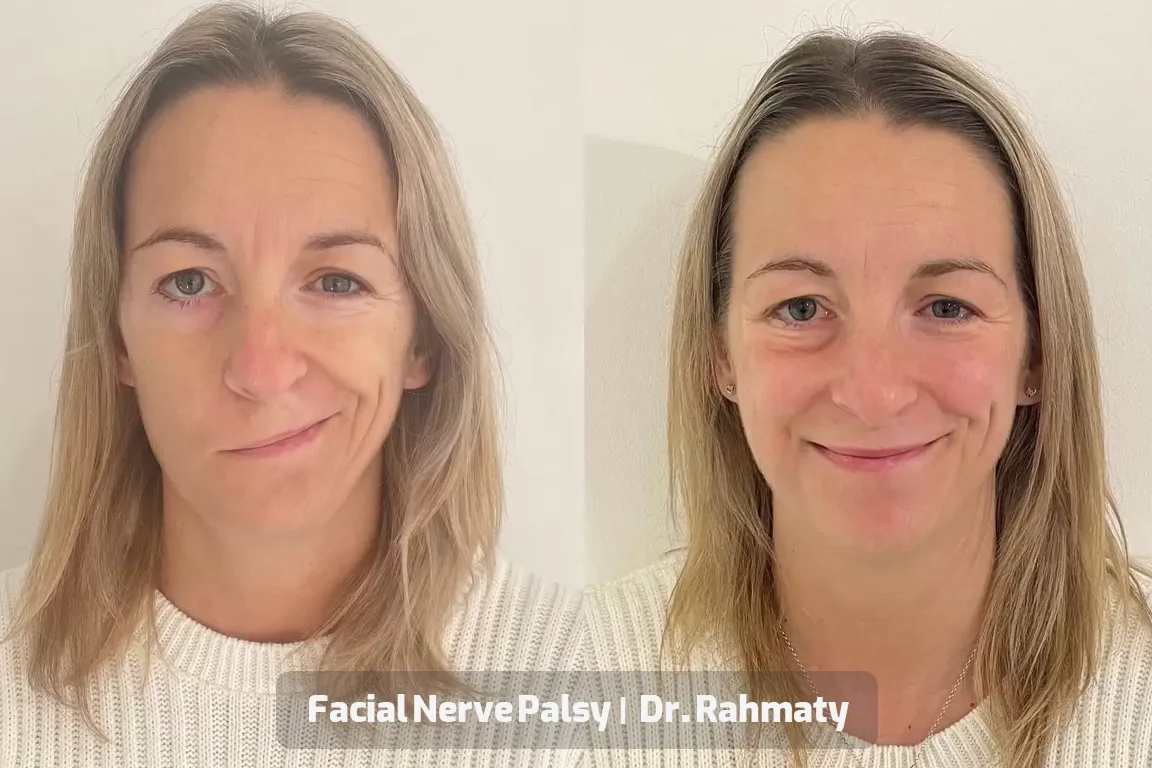
Facial muscles are essential for successful reinnervation. When muscles lose their nerve supply for an extended period, they can gradually develop atrophy and structural changes.
If the muscles remain healthy and functional, they may respond to the new nerve signals provided through Cross Facial Nerve Graft.
However, long-standing paralysis can cause significant muscle weakness and atrophy. In these situations, nerve transfer alone may not produce adequate movement.
For this reason, the surgeon evaluates muscle condition before surgery. This assessment helps determine whether Cross Facial Nerve Graft is appropriate or whether another technique or combined treatment would be more suitable.
How Is Cross Facial Nerve Graft Surgery Performed?
The details of surgery vary from patient to patient. The surgeon considers the location of the injury, facial nerve condition, muscle status, and goals of reconstruction.
In general, the surgeon identifies the healthy facial nerve and selects an appropriate branch that can provide motor signals. The surgeon then selects a suitable nerve graft to carry these signals toward the affected side.
The graft travels from the healthy side toward the paralyzed side. The surgeon connects it to the appropriate neural structure using microsurgical techniques.
This procedure requires detailed knowledge of facial nerve anatomy and careful surgical technique. The surgeon aims to create an appropriate pathway for nerve fibers to grow from the healthy side toward the facial muscles on the paralyzed side.

Are the Results of Cross Facial Nerve Graft Immediate?
No. The results of Cross Facial Nerve Graft do not appear immediately after surgery. Patients should understand that nerve reconstruction is a biological process that requires time. After the surgeon places the graft, nerve fibers gradually grow through the new pathway. The fibers then need to reach the facial muscles and establish functional connections.
Therefore, several months may pass before the first signs of movement appear. Improvement can continue after the initial movement as nerve regeneration and rehabilitation progress. Patients should not expect the final result during the first few weeks after surgery. Nerve recovery usually requires a significantly longer period.
The Role of Rehabilitation After Cross Facial Nerve Graft
Rehabilitation plays an important role in restoring facial function after Cross Facial Nerve Graft. When new nerve signals begin reaching the facial muscles, the brain must learn how to use them to control different facial movements.
Movement may initially remain weak or limited. The patient may also need to concentrate to produce the desired movement. With continued rehabilitation, control and coordination can gradually improve.
The goal of rehabilitation is not simply to create movement. It also aims to improve strength, coordination, and symmetry between the two sides of the face. The rehabilitation program should match the patient’s condition, recovery stage, and surgical technique.
Can Cross Facial Nerve Graft Restore the Smile?
Restoring the smile is one of the major goals of Cross Facial Nerve Graft. An important advantage of this technique is that it uses motor signals from the healthy facial nerve on the opposite side. As a result, the facial muscles on the paralyzed side may receive signals associated with natural movement on the healthy side.
Therefore, Cross Facial Nerve Graft may help some patients achieve a more coordinated smile. However, results vary between patients. The degree of smile recovery depends on factors such as the duration of paralysis, muscle condition, healthy nerve function, surgical technique, and rehabilitation.
Cross Facial Nerve Graft or Muscle Transfer?
The choice between nerve grafting and muscle transfer depends largely on the condition of the facial muscles and the duration of paralysis. When the facial muscles remain viable and can respond to new nerve signals, Cross Facial Nerve Graft may provide a suitable way to establish a new source of nerve stimulation.
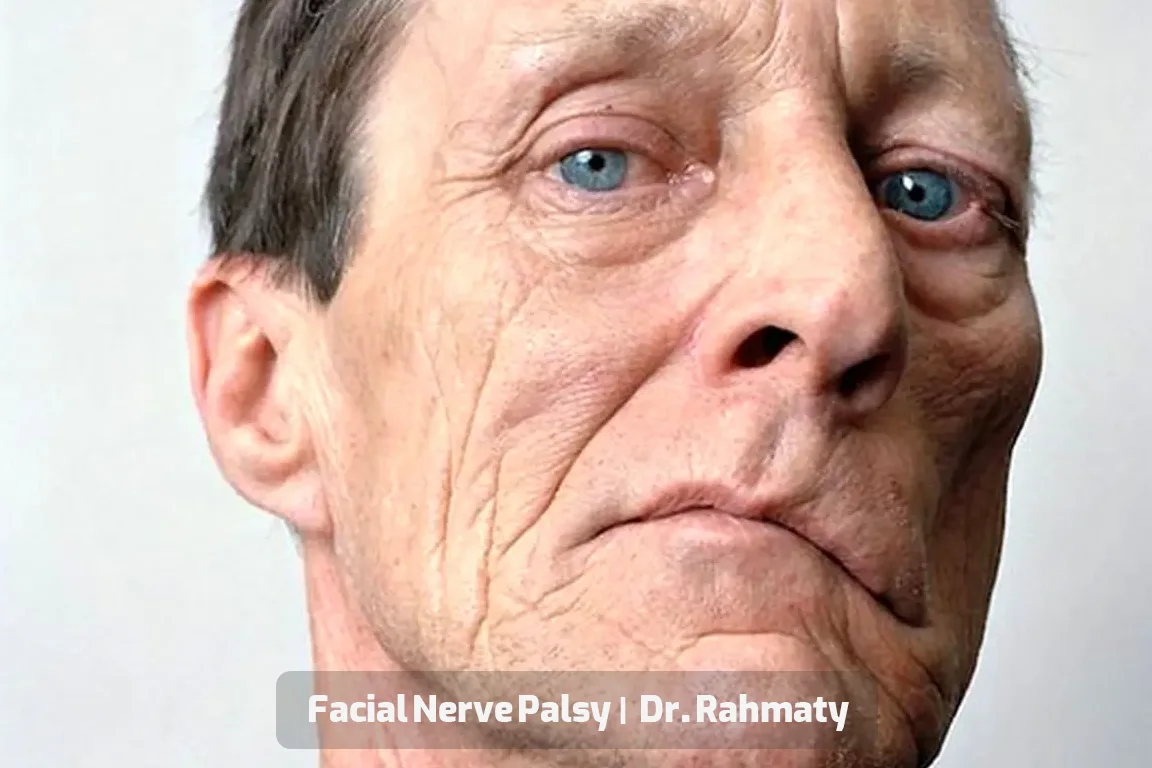
When paralysis has continued for a long time and the muscles have developed severe atrophy, they may not respond adequately to new nerve signals.
In these situations, dynamic muscle transfer may provide a better option for restoring facial movement. Some patients may benefit from combining several reconstructive techniques. Therefore, no single technique is suitable for every patient. The surgeon should evaluate the facial nerve and muscles before selecting the treatment strategy.
What Are the Advantages of Cross Facial Nerve Graft?
One of the main advantages of Cross Facial Nerve Graft is its use of the healthy facial nerve as a natural source of motor signals. This approach may help create movements that coordinate more closely with the healthy side of the face. This benefit can be particularly important when the treatment goal involves restoring the smile and facial expression.
Cross Facial Nerve Graft can also form part of a broader facial nerve reconstruction and functional facial rehabilitation plan. However, the surgical technique alone does not determine the final outcome. Patient condition, paralysis duration, muscle viability, surgical expertise, and rehabilitation all influence recovery.
What Factors Affect the Success of Cross Facial Nerve Graft?
Several factors can influence the final outcome of Cross Facial Nerve Graft.
Duration of Facial Paralysis
The duration of paralysis is an important factor because prolonged loss of nerve supply can cause facial muscle atrophy.
Condition of the Healthy Facial Nerve
The healthy side must have adequate facial nerve function to provide the motor signals needed for the affected side.
Condition of the Facial Muscles
Patients with viable muscles that retain their ability to respond to nerve stimulation may have better potential for reinnervation.
Overall Health
General health and the body’s ability to heal tissues can influence the recovery process after surgery.
Surgeon’s Experience
Cross Facial Nerve Graft requires detailed knowledge of facial nerve anatomy and microsurgical techniques.
Selecting an appropriate nerve branch and determining the optimal graft pathway require careful surgical planning and experience.
What Are the Potential Complications of Cross Facial Nerve Graft?
Like any surgical procedure, Cross Facial Nerve Graft may involve certain risks and potential complications. These complications may include infection, bleeding, pain, scarring, and problems related to the nerve graft donor site. Movement recovery may also fall below the patient’s expectations, and complete facial symmetry may not return.
In some cases, patients may require additional procedures to improve movement, symmetry, or facial function. Therefore, patients should discuss the benefits, risks, and expected outcomes with their surgeon before making a surgical decision.
Can Cross Facial Nerve Graft Be Combined With Other Techniques?
In some cases, surgeons may combine Cross Facial Nerve Graft with other facial reconstruction techniques. When the facial muscles remain capable of reinnervation, nerve transfer may form an important part of the treatment plan. When severe muscle atrophy exists, the patient may need dynamic muscle transfer.
Additional procedures may also help improve eye closure, reduce facial asymmetry, or improve mouth movement.
The surgeon should select the treatment plan after a comprehensive evaluation of each patient rather than relying only on the duration of paralysis.
Conclusion
Cross Facial Nerve Graft is an important technique for reconstructing facial function in selected patients with unilateral facial paralysis.
The procedure creates a neural pathway between the healthy facial nerve and the paralyzed side. This pathway allows nerve signals to reach the affected facial muscles. When the patient’s nerves and muscles remain suitable for reconstruction, this technique may help restore facial movement, particularly the smile.
The results do not appear immediately because nerve fibers need time to grow through the graft and reach the facial muscles. The patient also needs rehabilitation to help the brain learn how to control the newly reinnervated muscles.
The success of Cross Facial Nerve Graft depends on several factors, including paralysis duration, facial muscle condition, healthy facial nerve function, surgical technique, surgeon experience, and rehabilitation.

Facial Paralysis Treatment With Dr. Benyamin Rahmaty
Patients with facial paralysis require a detailed evaluation before choosing an appropriate facial nerve reconstruction technique. The evaluation includes facial nerve function, muscle condition, paralysis duration, and the patient’s functional and aesthetic goals.
Dr. Benyamin Rahmaty can evaluate the patient’s condition and discuss available options for facial function reconstruction. Depending on the individual case, these options may include Cross Facial Nerve Graft, facial nerve grafting, nerve transfer, or muscle transfer.
The appropriate technique should be selected according to each patient’s specific condition and treatment goals.