Guide to Choosing the Best Facial Rejuvenation Method: Facelift, HIFU, RF, or Laser?
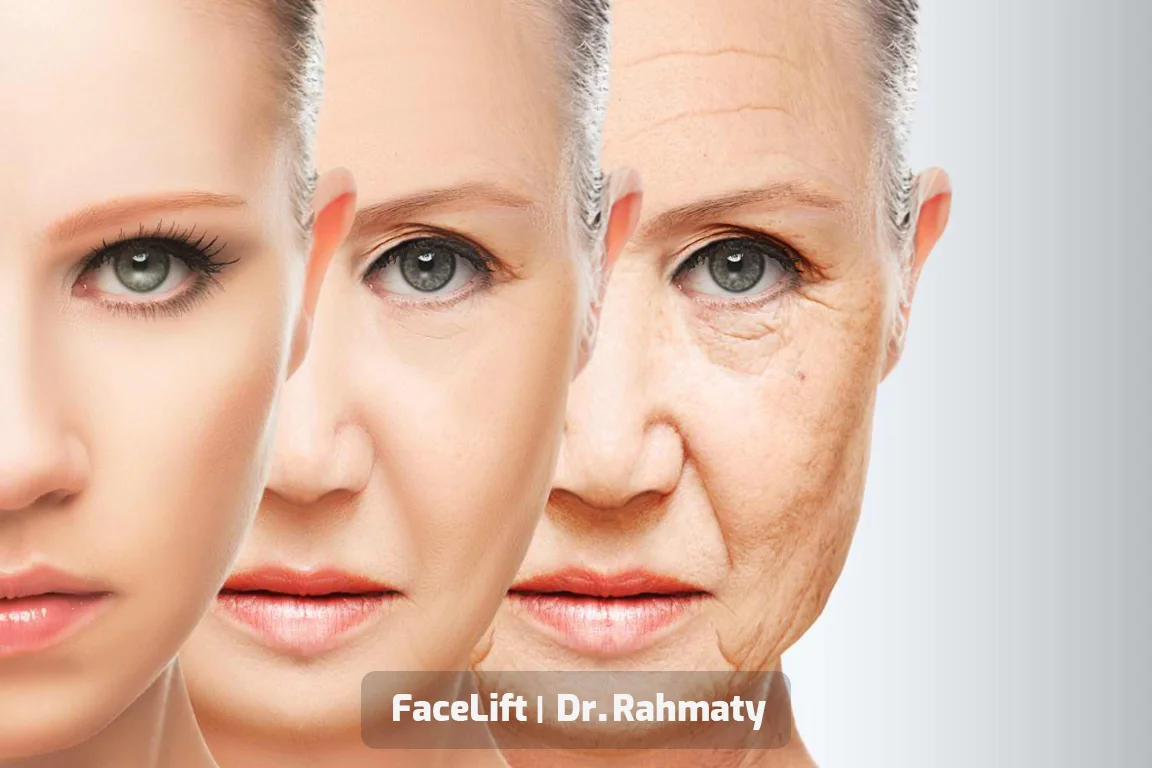
As we age, facial skin gradually undergoes changes that affect overall appearance. Reduced collagen and elastin production, loss of facial volume, wrinkles, and skin laxity are common signs of aging. Today, numerous facial rejuvenation treatments are available to address these concerns, ranging from facelift surgery to non-invasive procedures such as HIFU, fractional RF, CO2 laser resurfacing, fat grafting, and dermal fillers. Because of these many options, many individuals search for the best facial rejuvenation method to achieve natural and long-lasting results.
Despite the variety of available treatments, choosing the most suitable option can be challenging. Each procedure offers unique advantages, limitations, and indications depending on a person’s age, skin quality, degree of sagging, and aesthetic goals. Therefore, comparing facelift and skin rejuvenation procedures has become increasingly important.
Does facelift surgery provide longer-lasting results than HIFU? Can RF treatments replace surgery? Which method is best suited to your skin condition? In the following sections, we will examine and compare various facial lifting and rejuvenation procedures to help you make a more informed decision.

The reality is that no single treatment can be considered the best option for everyone. Selecting the appropriate treatment depends on age, the degree of skin laxity, skin quality, facial volume loss, patient expectations, and even budget considerations. In this article, we compare facial lifting and rejuvenation techniques to help you make a more informed decision regarding your facial aesthetics and rejuvenation goals.
When Do We Need Facial Rejuvenation or a Facelift?
Skin aging is a gradual process that usually begins during the third decade of life. During this period, collagen production decreases, and the skin gradually loses some of its firmness and elasticity. Over time, the deeper facial fat compartments also diminish, leading to changes in facial structure.
In addition to aging, several factors can accelerate the skin aging process. Prolonged sun exposure, chronic stress, lack of sleep, smoking, air pollution, and even genetics all contribute to the development of aging signs. As a result, two individuals of the same age may have completely different skin appearances.
Common signs indicating the need for facial rejuvenation include sagging cheeks, loss of jawline definition, the appearance of a double chin, deeper nasolabial folds, wrinkles around the mouth, volume loss in the cheeks and temples, neck sagging, and reduced skin clarity and quality.
However, the severity of these changes varies among individuals. Some people only need improvements in skin quality, while others may require more advanced treatments such as facelift surgery to achieve satisfactory results.
Comparison of Facial Lifting Procedures: The Best Facial Rejuvenation Methods
Choosing the best facial rejuvenation method becomes possible when you understand the advantages, limitations, and applications of each technique. Below, we review the most important rejuvenation methods.
Facelift Surgery
Facelift surgery remains the most effective and longest-lasting facial rejuvenation procedure. In this operation, not only the skin but also the deeper facial structures are repositioned to naturally correct tissue sagging.
Contrary to popular belief, a facelift does not simply involve pulling the skin tighter. Modern facelift techniques reposition the deeper facial structures into a more youthful location while removing excess skin. As a result, outcomes appear more natural and last longer than in the past.
This procedure is suitable for individuals with moderate to severe sagging in the cheeks, jawline, and neck, especially when non-surgical treatments cannot produce significant improvements.
The greatest advantage of facelift surgery is its ability to provide substantial and long-lasting rejuvenation. However, compared with other options, it involves higher costs and requires recovery time and postoperative care.

HIFU (High-Intensity Focused Ultrasound)
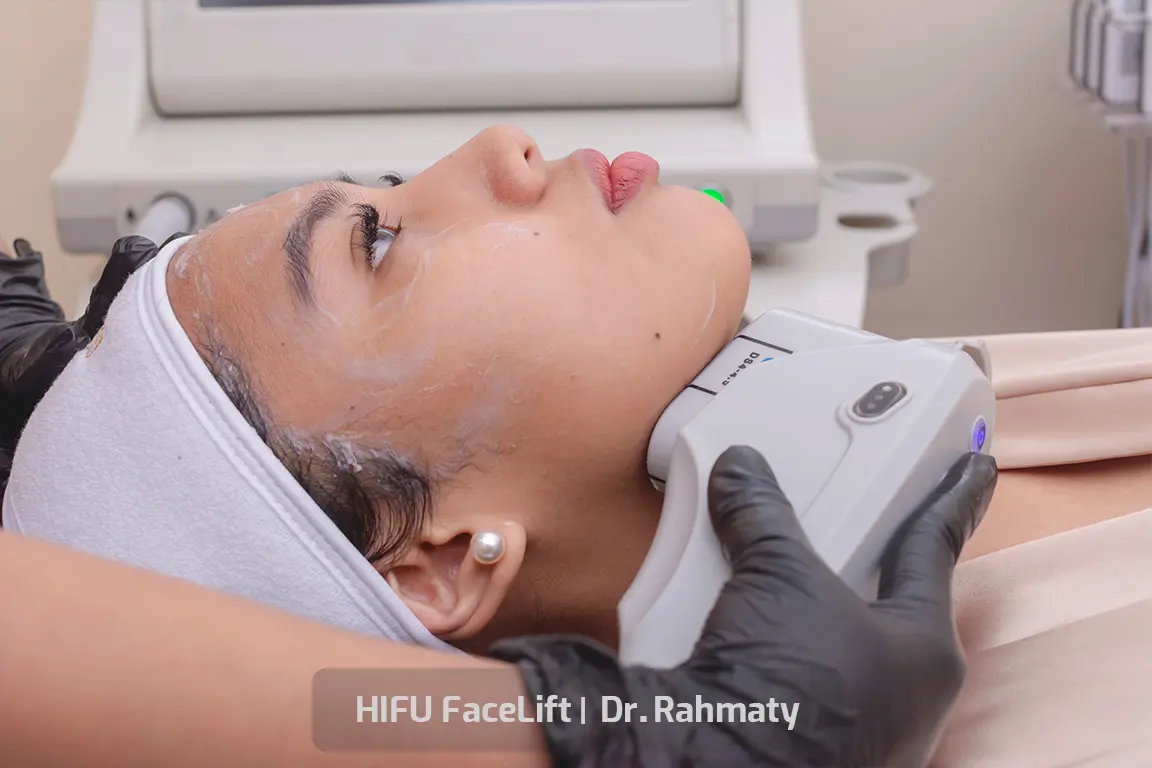
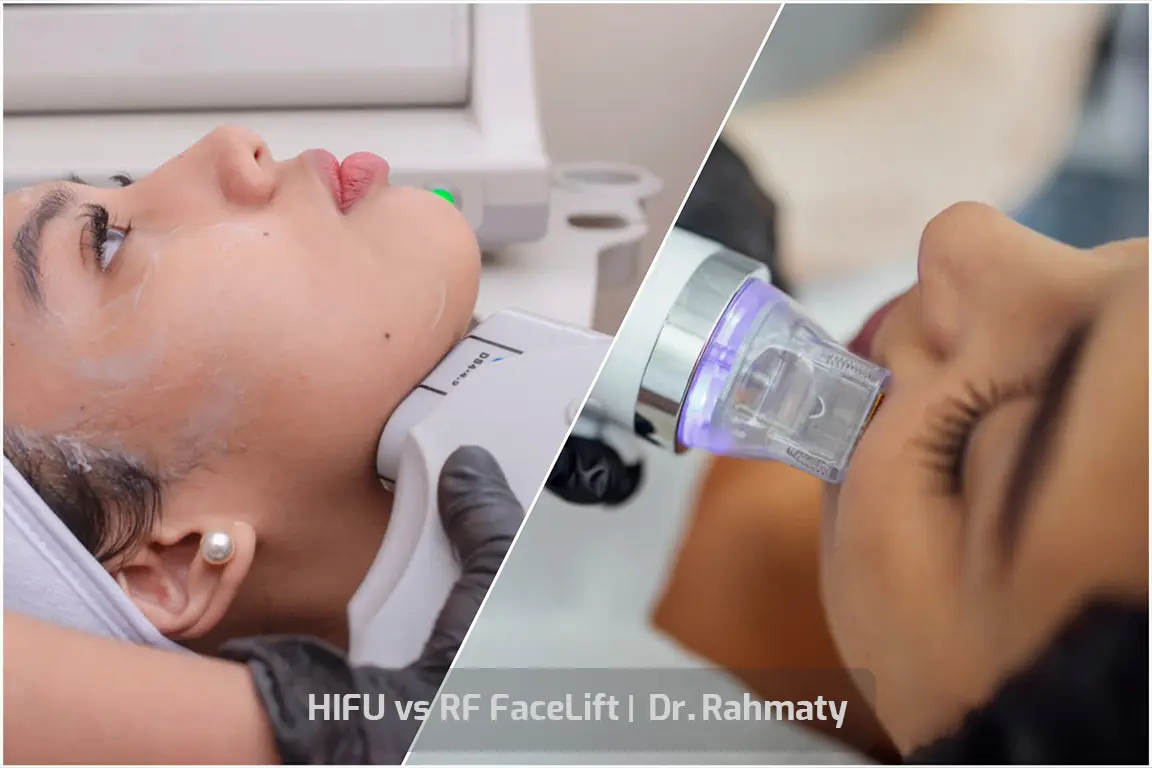
HIFU is one of the most popular non-surgical procedures for skin tightening and mild to moderate facial lifting. This method uses focused ultrasound energy to stimulate the deeper layers of the skin.
HIFU energy activates collagen-producing cells, gradually improving skin firmness over time. Results usually develop progressively over several months, making the skin appear tighter and younger.
The primary advantage of HIFU is that it does not require surgery, stitches, or anesthesia, allowing patients to return to their normal activities almost immediately. For this reason, it is particularly appealing to individuals who prefer to avoid surgery.
However, in cases of severe skin sagging, HIFU cannot achieve results comparable to facelift surgery. Therefore, when comparing facelift surgery versus HIFU, it is important to understand that these treatments are designed for different groups of patients.
Fractional RF
Fractional RF, or fractional radiofrequency, is an advanced skin rejuvenation technique that stimulates collagen production using radiofrequency energy.
This procedure is mainly used to improve skin quality, reduce enlarged pores, diminish fine lines, and enhance skin firmness. In fact, RF primarily targets skin quality rather than correcting severe tissue sagging.
One of the major advantages of fractional RF is skin rejuvenation with minimal downtime. Many patients notice improvements in skin texture and increased skin radiance after several treatment sessions.
When comparing facelift surgery and RF, RF is considered a suitable option for mild skin laxity and younger individuals, but it cannot replace surgery in advanced cases.
Fractional CO2 Laser
Fractional CO2 laser is one of the most recognized technologies for skin resurfacing and rejuvenation. This technology creates microscopic treatment columns within the skin, activating the body’s natural healing and regeneration processes.

This treatment is highly effective for reducing superficial wrinkles, skin pigmentation, acne scars, enlarged pores, and skin irregularities. As a result, the skin appears smoother, brighter, and more youthful.
Although CO2 laser treatment can significantly improve skin appearance, its effects on severe facial sagging are limited. For this reason, it is often combined with other rejuvenation procedures.
Fat Grafting
One of the major causes of facial aging is the gradual loss of natural facial volume. Therefore, in some individuals, the main concern is not skin laxity but rather volume loss in the cheeks, temples, and under-eye area.
In fat grafting, the patient’s own body fat is harvested, processed, and injected into targeted areas to restore facial volume and youthful contours.
The results of fat transfer generally appear more natural than many injectable materials. If the transferred fat survives successfully, the results can be relatively long-lasting. Consequently, many cosmetic surgeons use fat grafting as a complementary procedure to facelift surgery.
Dermal Fillers
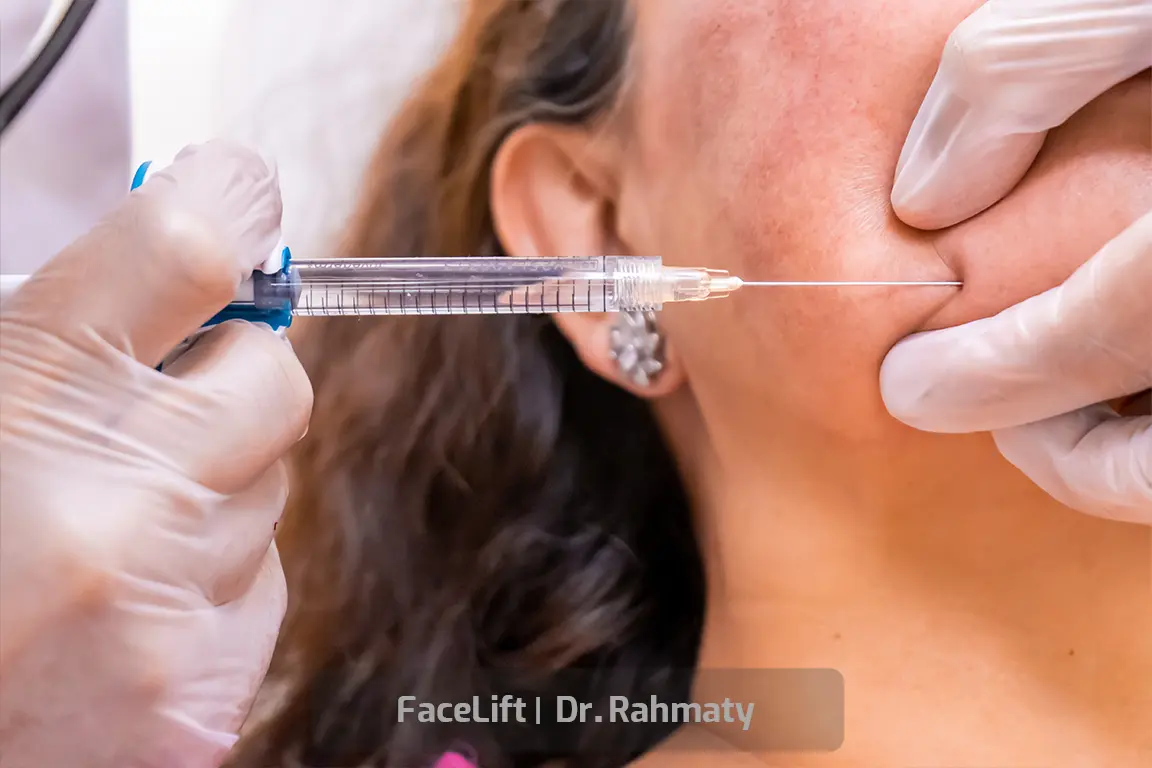
Dermal fillers are among the most commonly used non-surgical facial rejuvenation treatments. These injectable materials restore lost volume and reduce facial lines and wrinkles.
Fillers are commonly used for cheek augmentation, jawline contouring, correction of nasolabial folds, treatment of under-eye hollows, and enhancement of various facial areas.
The main advantage of fillers is the immediate visibility of results after injection. However, their longevity is limited and generally ranges from several months to two years depending on the type of filler used.
Comparison of Treatment Longevity
One of the most important criteria when choosing the best facial rejuvenation method is the longevity of the results. Many patients prefer treatments that require less frequent maintenance.
Facelift surgery receives the highest rating in this regard. Results generally last between 8 and 15 years and may even last longer in some individuals.
The effects of HIFU typically last about 1 to 2 years, and maintenance sessions may be required. Fractional RF generally provides results lasting between 6 and 18 months, depending on skin condition.
CO2 laser results usually last between 1 and 3 years. Fat grafting may remain effective for 2 to 5 years or longer, while dermal fillers generally last from 6 months to 2 years.
Therefore, if your primary goal is to achieve the longest-lasting outcome, facelift surgery remains the leading option.
Comparing the Cost of Each Procedure
Treatment cost is an important factor in patient decision-making. However, it should not be the only criterion because the least expensive option is not necessarily the most appropriate treatment for your condition.
Generally, fractional RF and HIFU belong to the lower-cost treatment category. CO2 laser treatments usually have moderate costs and may vary depending on the number of sessions.
Fillers and fat grafting are generally more expensive because of the use of injectable materials or the fat harvesting process. Facelift surgery usually involves the highest initial cost.
However, long-term costs should also be considered. Many non-surgical procedures require repeated treatments, whereas surgical results often last for many years. Therefore, the overall long-term expenses may not differ substantially in some cases.
The Best Facial Rejuvenation Method for Mild, Moderate, and Severe Skin Sagging
If skin sagging is mild, treatments such as HIFU, Fractional RF, and CO2 laser usually provide satisfactory results.
For moderate skin laxity, a combination of HIFU, fat injection, dermal fillers, or a mini facelift may be required to achieve the desired outcome.
However, when skin sagging becomes severe and significant changes occur in the jawline and neck, facelift surgery remains the most effective treatment option. In such cases, no non-surgical procedure can produce results comparable to surgery.
Final Comparison Table of Facial Rejuvenation Methods
| Procedure | Lifting Effect | Longevity | Recovery Time | Best For |
|---|---|---|---|---|
| Facelift Surgery | Very High | 8–15 years | Moderate to Long | Severe sagging |
| HIFU | Moderate | 1–2 years | Minimal | Mild to moderate sagging |
| Fractional RF | Mild to Moderate | 6–18 months | Short | Skin quality improvement |
| CO2 Laser | Mild | 1–3 years | Moderate | Wrinkles, pigmentation, acne scars |
| Fat Transfer | Indirect | 2–5 years | Short | Facial volume loss |
| Dermal Fillers | Indirect | 6 months to 2 years | Very Short | Volume restoration and wrinkle correction |
Choosing the Best Facial Rejuvenation Method
Selecting the best facial rejuvenation treatment requires a careful evaluation of several factors, including:
Skin condition
Age
Degree of skin laxity
Facial volume loss
Personal expectations
Lifestyle
Budget
In many cases, the most effective results come from combining multiple treatment modalities rather than relying on a single procedure. There is no universal treatment that works equally well for every patient.
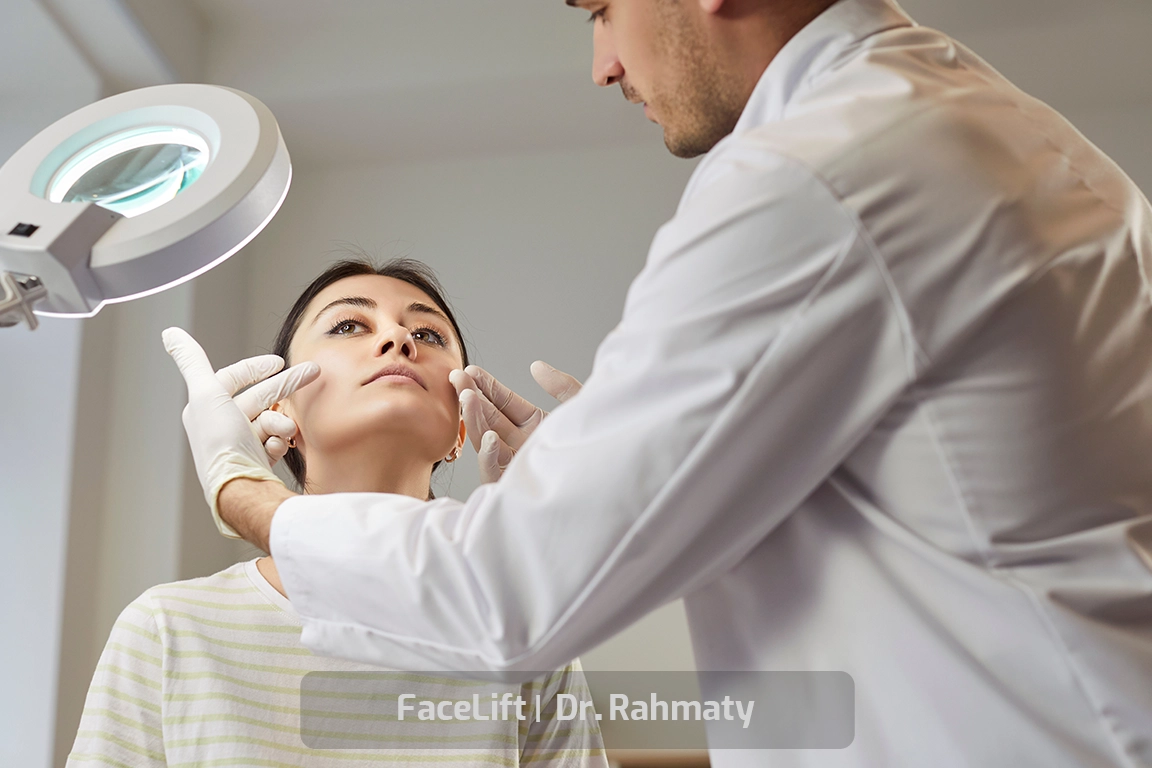
If you are unsure whether facelift surgery, HIFU, Fractional RF, CO2 laser, fat transfer, or dermal fillers would be the most appropriate option for you, consulting with an experienced facial rejuvenation specialist is essential.
After a detailed examination and assessment of your skin condition, a personalized treatment plan can be developed to help you achieve the most natural, safest, and longest-lasting results possible.
Consultation for Facial Rejuvenation
Choosing the right facial rejuvenation procedure is a highly individualized decision. The ideal treatment depends on the severity of aging changes, skin quality, facial anatomy, and the results you wish to achieve.
A comprehensive consultation allows the physician to evaluate:
Skin elasticity and thickness
Degree of facial sagging
Volume loss in different facial areas
Overall health condition
Previous cosmetic procedures
Expectations regarding recovery and outcomes
By carefully assessing these factors, it becomes possible to design a treatment strategy that provides balanced, natural-looking, and long-lasting facial rejuvenation results.
If you are considering facial rejuvenation treatments and need professional guidance, Dr. Benyamin Rahmaty can provide a thorough evaluation and recommend the most suitable approach based on your individual needs and goals. Following a detailed examination, a customized treatment plan can be created to help you achieve youthful, natural, safe, and long-lasting results.