
Pre- and Post-Operative Care for Facial Nerve Reconstruction Surgery: A Complete Patient Guide

Why Is Pre- and Post-Operative Care So Important?
Unlike many cosmetic procedures, facial nerve reconstruction surgery does not end after repairing the damaged tissue. The surgeon must establish a new neural connection between the nerve and the facial muscles, and the body needs sufficient time to regenerate nerve fibers and complete the healing process.
This recovery process may take several months and, in some patients, may continue for a year or even longer.
During this period, following medical instructions helps reduce complications and improves the likelihood of a successful surgical outcome. In addition, the patient’s commitment to rehabilitation exercises, regular follow-up visits, and proper wound care plays a critical role throughout recovery.
Pre-Facial Reanimation Preparation
Proper preparation before surgery improves both physical and emotional readiness for the procedure and the recovery period. The better patients prepare for surgery, the more effectively they can reduce the risk of complications during and after the operation.
Comprehensive Evaluation of the Cause of Facial Paralysis
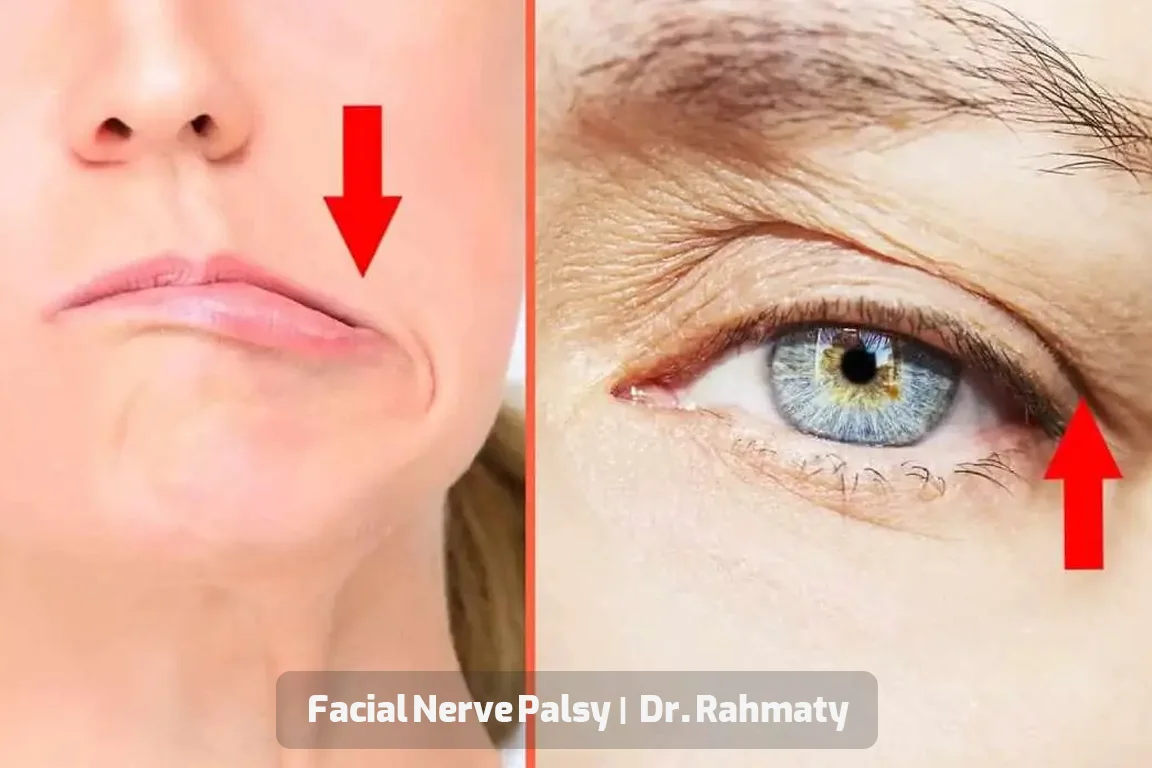
Before planning treatment, the surgeon carefully identifies the underlying cause of facial paralysis. Trauma, Bell’s palsy, skull base tumors, previous surgery, and congenital conditions may each require a different reconstructive approach.
The surgeon may also request an MRI scan, CT scan, electromyography (EMG), or other specialized diagnostic tests to determine the most appropriate reconstruction technique.
Assessment of Overall Health
Before surgery, the medical team evaluates the patient’s overall health. Conditions such as diabetes, hypertension, cardiovascular disease, bleeding disorders, and respiratory illnesses require careful assessment because proper control reduces the risk of anesthesia-related complications and postoperative problems.
Patients should also inform their surgeon about every prescription medication, over-the-counter drug, vitamin, and dietary supplement they currently use.
Smoking Cessation
One of the most important aspects of pre-Facial Reanimation preparation is stopping smoking and avoiding all tobacco products.
Nicotine reduces blood circulation, delays wound healing, and decreases the likelihood of successful nerve and muscle reconstruction.
Most surgeons recommend quitting smoking at least four weeks before surgery and avoiding tobacco for at least four weeks afterward.
Medication Adjustment
Certain medications, including aspirin, warfarin, clopidogrel, and some herbal supplements, increase the risk of surgical bleeding.
The surgeon may recommend temporarily stopping or replacing these medications in consultation with the patient’s treating physician.
However, patients should never discontinue any medication without medical approval.

Proper Nutrition Before Surgery
The body requires adequate nutrients to repair nerves and soft tissues effectively.
A balanced diet rich in protein, vegetables, fruits, vitamin C, zinc, and iron can support tissue healing and nerve regeneration.
Maintaining proper hydration also prepares the body for surgery and contributes to a smoother recovery.
Psychological Preparation
Facial nerve reconstruction rarely produces immediate results.
Many patients notice little or no facial movement during the first several months after surgery, and this is completely normal.
Understanding the expected recovery timeline and maintaining realistic expectations can reduce anxiety and encourage better cooperation throughout treatment.

What Should Patients Do the Night Before and the Day of Surgery?
Patients should follow their surgeon’s fasting instructions and avoid eating or drinking after the recommended time on the night before surgery.
Before arriving at the hospital, patients should take a shower, wear comfortable clothing, bring all medical records, and arrive on time.
If fever, a cold, or any active infection develops before surgery, patients should notify their surgeon immediately.
Post-Facial Nerve Surgery Care During the First Few Days
The first few days after surgery represent the most critical stage of recovery. During this period, patients should carefully follow all postoperative instructions provided by their surgeon.
Managing Swelling and Bruising
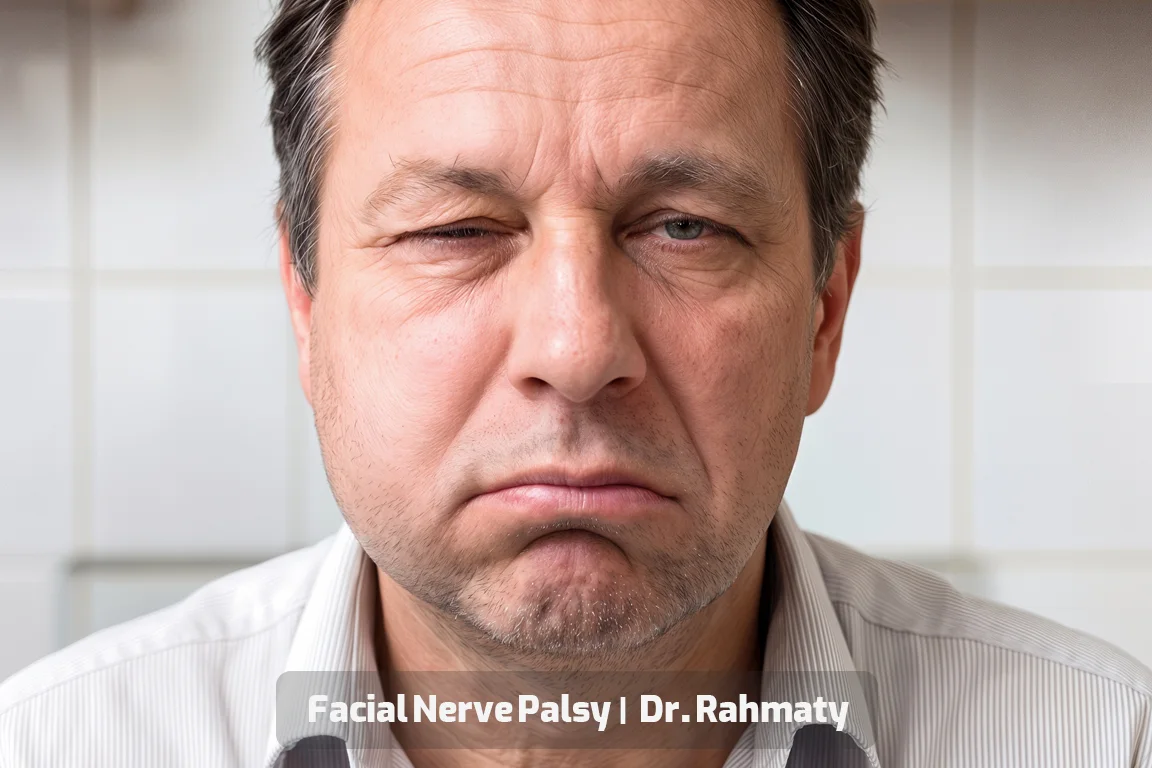
Facial swelling during the first few days is completely normal and usually decreases within two to three weeks.
Patients can reduce swelling by keeping their head elevated while sleeping, using cold compresses if recommended by their surgeon, and avoiding prolonged bending.
Caring for the Surgical Incision
Patients should keep the incision clean and dry throughout the healing period. They should also change dressings exactly as instructed and avoid touching the sutures or removing scabs.
If severe redness, foul-smelling drainage, or fever develops, patients should contact their surgeon without delay.
Taking Medications as Prescribed
Patients should take antibiotics, pain medications, and all prescribed drugs exactly as directed.
Stopping medications without medical advice or taking additional medications on their own may interfere with recovery.
Eye Protection After Facial Nerve Surgery
Many patients cannot completely close the affected eyelid immediately after surgery. As a result, the eye may become dry and vulnerable to corneal injury.
Essential Eye Care Measures
Use artificial tears regularly. | Apply ophthalmic ointment before going to bed. | Tape the eyelid closed at night if the surgeon recommends it. | Wear sunglasses outdoors to protect the eye from wind and sunlight.
Eye protection remains one of the most important aspects of post-facial nerve surgery care.
Proper Nutrition After Surgery
After surgery, the body requires additional energy and nutrients to repair nerves and facial muscles.
A diet rich in protein, including chicken, fish, eggs, dairy products, and legumes, supports tissue healing. Fresh fruits, vegetables, nuts, and whole grains also provide essential vitamins and minerals that promote recovery.
Adequate hydration prevents dehydration and further supports tissue repair.
During the first few days, chewing may be difficult. Soft foods and semi-liquid meals are usually easier to eat and more comfortable for patients.
Daily Activities After Surgery
Patients should get adequate rest during the first few days after surgery. However, complete bed rest is not recommended.
Light walking improves circulation and reduces the risk of blood clots.
Patients should avoid heavy lifting, strenuous exercise, prolonged bending, and physically demanding activities until their surgeon allows them to resume these activities.
Physical Therapy and Facial Muscle Retraining
One of the most important components of post-facial nerve surgery care is rehabilitation under the supervision of a qualified specialist.
Even if surgery is technically successful, patients may not achieve the best possible outcome without facial muscle retraining.
Once the surgeon approves rehabilitation, patients begin practicing simple facial movements with the guidance of a physical therapist or speech therapist.
These exercises help the brain establish new neural pathways, improve muscle coordination, and reduce unwanted facial movements or muscle stiffness.
Patients should perform every exercise gently, consistently, and exactly as instructed. Aggressive or unsupervised exercises do not accelerate recovery and may interfere with facial muscle retraining.
When Will the Results Become Visible?
One of the most common questions patients ask is when facial movement will return.
The answer depends on the reconstructive procedure, the severity of nerve injury, the patient’s age, and the rate of nerve regeneration.
During the first few weeks, patients usually notice only reduced swelling and progressive wound healing. Facial movement generally does not return during this early period.
Nerve fibers regenerate slowly, and the first signs of facial movement usually appear three to six months after surgery.
After procedures such as free muscle transfer, recovery may continue for 12 to 18 months before the final outcome becomes apparent.
For this reason, patience and continued adherence to postoperative care remain essential throughout recovery.

When Should Patients Contact Their Surgeon Immediately?
Although most patients recover without major complications, certain symptoms require prompt medical evaluation, including:
Fever or chills
Persistent bleeding from the surgical site
Pus or foul-smelling wound drainage
Severe or progressively worsening pain that does not improve with medication
Sudden or excessive swelling
Eye pain or vision changes
Wound separation or abnormal skin discoloration
Prompt medical evaluation can prevent more serious complications.
Do Not Skip Your Follow-Up Visits
Postoperative appointments involve much more than suture removal.
During each visit, the surgeon evaluates nerve regeneration, facial muscle function, facial symmetry, and overall recovery. If necessary, the rehabilitation program or treatment plan may be adjusted.
Even if patients feel well, they should attend every scheduled follow-up appointment.
When Should You Contact Your Surgeon Immediately?
Although most patients recover without major complications, certain symptoms may indicate a problem that requires prompt medical evaluation. Contact your surgeon as soon as possible if you experience any of the following:
Fever or chills
Persistent bleeding from the surgical site
Pus-like drainage or a foul odor from the incision
Severe or progressively worsening pain that does not improve with prescribed medications
Sudden or excessive swelling
Eye pain or changes in vision
Separation of the incision or stitches, or unusual discoloration of the skin
Seeking medical attention promptly can help prevent more serious complications and improve the overall outcome of treatment.
Take Your Follow-Up Appointments Seriously
Postoperative follow-up visits are not limited to checking the surgical incision or removing stitches. During each appointment, your surgeon evaluates nerve regeneration, facial muscle function, facial symmetry, and your overall recovery. If necessary, the rehabilitation program or additional treatments may be adjusted according to your progress.
For this reason, you should attend every scheduled follow-up visit, even if you feel that your recovery is progressing well.
How Can You Achieve the Best Results from Facial Nerve Reconstruction Surgery?
Successful facial nerve reconstruction depends on more than a technically well-performed operation. It requires close cooperation between the patient and the surgical team throughout every stage of treatment.
Following all recommendations for preoperative Facial Reanimation preparation, quitting smoking, maintaining a healthy diet, caring for the surgical wound properly, protecting the eye, performing rehabilitation exercises consistently, and attending follow-up appointments all contribute to achieving a natural and long-lasting outcome.
Patients should also remember that facial nerve recovery is a gradual biological process. Nerve fibers require time to regenerate, and muscles need time to respond to new nerve signals. Patience, commitment to rehabilitation, and careful adherence to the surgeon’s instructions significantly improve the likelihood of a successful recovery.
Conclusion
Facial Nerve Reconstruction Surgery Requires Careful Preparation and Dedicated Recovery
Facial nerve reconstruction surgery is one of the most effective treatments for restoring facial movement, symmetry, and function in patients with facial paralysis. However, the success of this procedure extends well beyond the operating room.
Following the recommended preoperative Facial Reanimation preparation, carefully adhering to postoperative facial nerve surgery care, and actively participating in rehabilitation all have a direct impact on the quality of the final outcome. Understanding the recovery process and maintaining realistic expectations also help patients navigate treatment with greater confidence and patience.
By working closely with an experienced surgeon and following every stage of the treatment plan, patients can maximize their chances of regaining facial function and improving their quality of life.
Facial Nerve Reconstruction Surgery with Dr. Benyamin Rahmaty
If you are seeking specialized treatment for facial paralysis, facial nerve injuries, or nerve damage caused by trauma or previous surgery, Dr. Benyamin Rahmaty, an otolaryngologist (ENT surgeon) and fellowship-trained facial plastic and reconstructive surgeon, provides comprehensive evaluation and advanced facial nerve reconstruction procedures using modern Facial Reanimation techniques.
After carefully assessing each patient’s condition, Dr. Rahmaty develops an individualized treatment plan based on the underlying cause of paralysis, the duration of nerve injury, facial muscle condition, and overall health. Thorough preoperative evaluation, meticulous surgical planning, and structured postoperative follow-up all play essential roles in achieving the best possible functional and aesthetic outcomes.