Facial Nerve Transfer in Facial Paralysis Treatment (Nerve Transfer)
Facial paralysis can significantly affect both facial appearance and essential functions such as smiling, closing the eyes, speaking, eating, and drinking. When the facial nerve is severely damaged because of trauma, tumors, surgery, infection, or other conditions, spontaneous recovery may not occur. In these situations, different reconstructive procedures can help restore facial movement and improve facial symmetry. One of the important techniques used in modern facial paralysis treatment is Facial Nerve Transfer, also known as Nerve Transfer.
A Facial Nerve Transfer procedure creates a new pathway for nerve signals to reach the paralyzed facial muscles. During surgery, a healthy and functioning nerve is connected to the damaged facial nerve or one of its branches. This allows the healthy nerve to provide a new source of nerve stimulation to the facial muscles.
Nerve Transfer can be particularly valuable when direct repair of the facial nerve is no longer possible. However, the appropriate technique depends on several factors, including the cause and duration of facial paralysis, the location and severity of nerve damage, the condition of the facial muscles, and the patient’s overall health.

What Is Facial Nerve Transfer?
Facial Nerve Transfer is a reconstructive surgical technique designed to restore facial movement in patients whose facial nerve has been severely damaged or has lost its ability to properly transmit signals to the facial muscles.
Instead of relying on the damaged facial nerve, the surgeon uses a healthy nearby nerve as a new source of nerve input. A portion of the donor nerve, or in some cases the nerve itself depending on the technique, is connected to the facial nerve or an appropriate facial nerve branch. The goal is to establish a new neurological pathway that can stimulate the previously paralyzed facial muscles.
Nerve Transfer does not usually produce immediate facial movement. Nerves regenerate gradually, and the newly established nerve pathway requires time to become functional. Once nerve fibers reach the target muscles, patients may gradually begin to regain movement. Specialized rehabilitation is often necessary to help the brain learn how to control the new facial movement.
Why Is Nerve Transfer Used in Facial Paralysis Treatment?
The facial nerve, also known as the seventh cranial nerve, controls many of the muscles responsible for facial expression. It plays an essential role in smiling, closing the eyelids, moving the lips, and producing other facial movements. When the facial nerve is severely injured, the muscles it supplies may lose their ability to contract. If the denervation continues for a prolonged period, the muscles can undergo atrophy and structural changes.
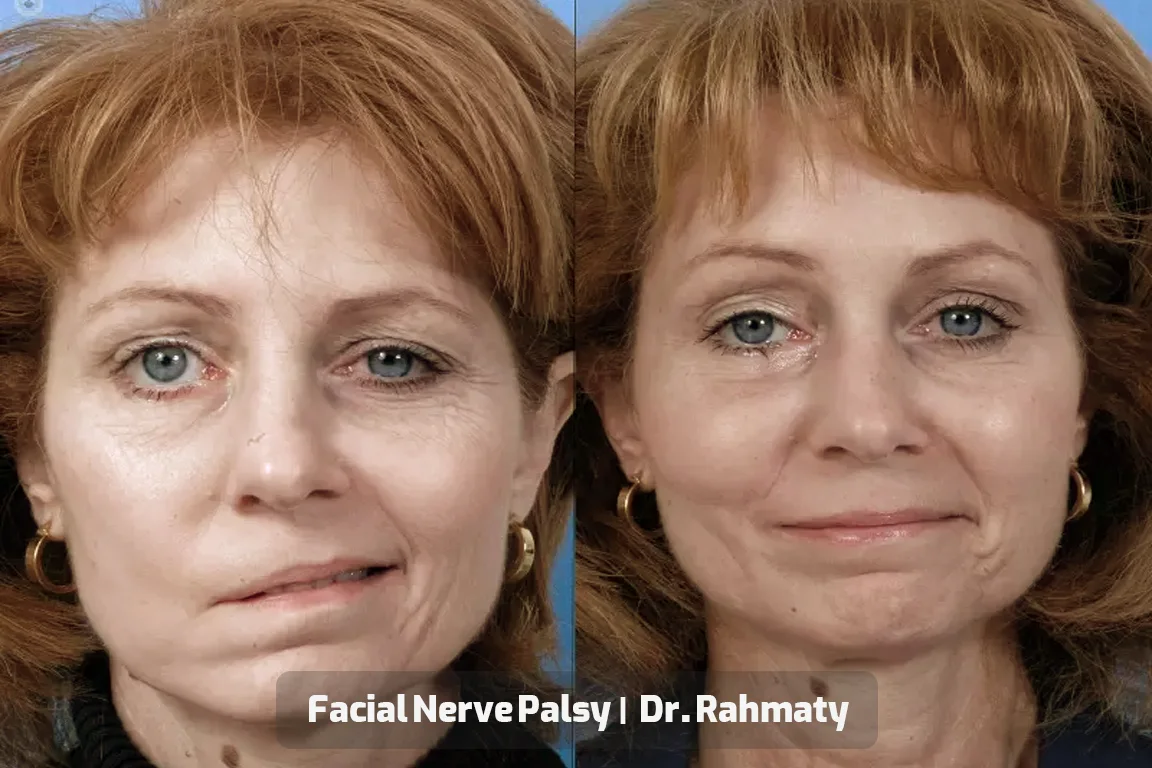
In patients who cannot undergo direct facial nerve repair, Nerve Transfer can provide an alternative source of neural input. By connecting a functioning donor nerve to the facial nerve system, surgeons can create a new route through which electrical signals can reach the facial muscles.
This approach is especially important in patients with long-standing facial paralysis when conventional nerve repair is no longer suitable.
Who May Be a Candidate for Facial Nerve Transfer?
Not every patient with facial paralysis requires a Nerve Transfer. Patient selection is one of the most important factors in facial reanimation surgery.
Before recommending Facial Nerve Transfer, the surgeon evaluates the patient’s medical history, the cause of paralysis, duration of denervation, condition of the facial nerve, and the functional status of the facial muscles.
Patients With Severe Facial Nerve Injury
Patients with significant facial nerve damage may be candidates for Nerve Transfer when direct nerve repair is not possible or is unlikely to provide satisfactory functional recovery.
This can occur after severe trauma, tumor removal, or previous surgery that has damaged the facial nerve.

Patients With Long-Standing Facial Paralysis
When facial paralysis persists for an extended period, the likelihood of successful spontaneous nerve recovery decreases. Depending on the condition of the facial muscles, Facial Nerve Transfer may become an option for restoring facial movement.
However, long-standing paralysis does not automatically mean that treatment is impossible. Instead, the surgical strategy may need to change. Some patients may benefit from Nerve Transfer, while others may require muscle transfer or a combination of reconstructive techniques.
Patients With Viable Facial Muscles
The condition of the facial muscles is an important consideration. If the muscles remain capable of responding to new nerve stimulation, restoring nerve input may allow them to regain movement. If the muscles have undergone severe and irreversible atrophy, a nerve transfer alone may not provide adequate movement. In such cases, procedures such as free muscle transfer may be considered.
Types of Nerve Transfer in Facial Reanimation
There is no single type of Facial Nerve Transfer that is appropriate for every patient. Surgeons can use different donor nerves depending on the patient’s anatomy, functional goals, duration of paralysis, and condition of the facial muscles. Two important techniques include masseteric-to-facial nerve transfer and hypoglossal-to-facial nerve transfer.
Masseteric-to-Facial Nerve Transfer
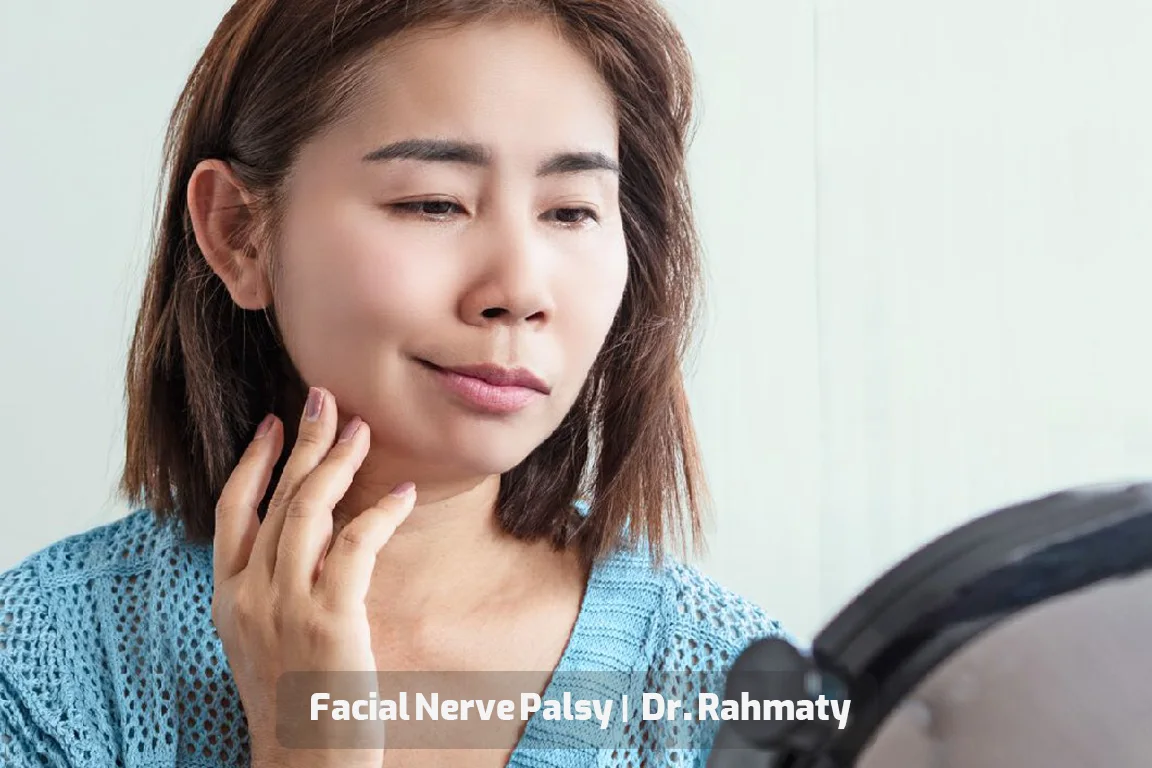
The masseteric nerve is associated with the muscles involved in chewing. Because of its proximity to the facial nerve and its strong motor input, it can serve as an effective donor nerve for facial reanimation.
A masseteric-to-facial nerve transfer connects the masseteric nerve to an appropriate facial nerve branch or facial nerve pathway.
One of the major advantages of this technique is the strong motor signal that the masseteric nerve can provide. It has become an important option for restoring dynamic facial movement, particularly smiling.
Initially, some patients may need to consciously activate their chewing muscles or jaw movement to produce a smile. With repeated rehabilitation and motor training, the brain may gradually learn to activate the facial muscles more naturally.
Hypoglossal-to-Facial Nerve Transfer
Another established approach is the hypoglossal-to-facial nerve transfer. The hypoglossal nerve primarily controls tongue movement and can be used to provide new neural input to the facial nerve.
Earlier techniques sometimes involved sacrificing the entire hypoglossal nerve, which could result in significant tongue weakness. Modern approaches may use partial nerve transfer techniques to reduce the risk of substantial tongue dysfunction.
The choice between a traditional or modified hypoglossal transfer depends on the patient’s specific anatomy and clinical situation.
Masseteric Nerve Transfer vs. Hypoglossal Nerve Transfer
Both techniques can provide a new source of neural input to the facial muscles, but they have important differences.
The masseteric nerve is associated with chewing and can provide strong motor input. It is particularly useful when the goal is to restore dynamic smiling and lower facial movement.
The hypoglossal nerve is associated with tongue movement and has historically been used as a donor nerve for facial reanimation. Modern partial-transfer techniques are designed to minimize functional problems involving the tongue.
There is no universally superior technique. The surgeon must consider the patient’s age, duration of paralysis, muscle condition, location of nerve injury, previous surgeries, and functional goals before choosing the most appropriate Nerve Transfer.
Why Timing Matters in Facial Nerve Transfer
Timing plays an important role in Facial Nerve Reconstruction and facial reanimation.
After prolonged denervation, facial muscles gradually lose their normal structure and ability to respond to nerve stimulation. Therefore, early evaluation by a specialist is important when significant facial nerve injury is suspected.

This does not mean that patients with long-standing facial paralysis cannot benefit from reconstruction. Rather, the available options may change over time.
Patients evaluated earlier may have more opportunities for nerve repair or nerve transfer while the facial muscles remain viable. In patients with long-standing paralysis and severe muscle atrophy, dynamic muscle transfer or other advanced reconstructive procedures may become more appropriate.
The best timing depends on the cause of paralysis, the degree of nerve injury, evidence of spontaneous recovery, and the condition of the facial muscles.
How Is Facial Nerve Transfer Performed?
The details of surgery vary according to the selected technique. In general, the surgeon first identifies the donor nerve and prepares it for connection to the recipient facial nerve pathway. The donor nerve is then connected to the appropriate facial nerve branch using microsurgical techniques.
The objective is to establish a continuous pathway through which nerve signals can reach the facial muscles. After the procedure, nerve fibers gradually regenerate along the new pathway. This process takes time, which is why patients should not expect immediate facial movement after surgery.
The recovery period is therefore an essential part of Nerve Transfer treatment.
What Happens After Nerve Transfer Surgery?
Recovery following Facial Nerve Reconstruction Surgery is a gradual process. Immediately after surgery, the facial muscles may remain paralyzed because the transferred nerve has not yet regenerated sufficiently to activate them.
As nerve regeneration progresses, patients may eventually begin to notice subtle movements. These movements may initially be weak or difficult to control. Rehabilitation can then help the patient develop better coordination and control. The brain needs to learn how to use the new neural pathway effectively.
For this reason, the final outcome should not be judged during the early postoperative period.

The Role of Rehabilitation After Facial Nerve Transfer
Rehabilitation is a critical component of Facial Reanimation. The brain must learn how to use a nerve that previously controlled a different muscle group to produce facial movement. This process is sometimes described as neural retraining.
For example, patients who undergo masseteric-to-facial nerve transfer may initially need to activate their jaw muscles to produce facial movement. With repeated exercises and professional rehabilitation, the brain can gradually develop a stronger association between the new nerve signal and facial movement.
Rehabilitation should be individualized according to the specific Nerve Transfer technique, the patient’s recovery stage, and the quality of facial movement.
Overly aggressive or inappropriate exercises are not necessarily beneficial. A structured rehabilitation program under professional supervision is generally preferable.
When Do the Results of Nerve Transfer Become Visible?
One of the most common questions patients ask is: How long does it take to see results after Facial Nerve Transfer?
Nerve regeneration is a slow biological process. After the surgical connection is established, nerve fibers need to grow toward the target muscles and establish functional connections.
As a result, facial movement usually does not return immediately. Some patients begin to notice early movements several months after surgery, while further improvement can continue for a longer period. The exact timeline varies considerably between individuals.
The final outcome depends on the type of Nerve Transfer, duration of paralysis, condition of the muscles, age, general health, surgical technique, and rehabilitation.
Can Facial Nerve Transfer Restore a Smile?
Restoring a dynamic smile is one of the most important goals of modern facial reanimation. Masseteric-to-facial Nerve Transfer can provide a strong neural input to the muscles responsible for smiling in selected patients. It can be particularly useful for patients with facial paralysis who still have viable facial muscles.
Initially, the smile may be voluntary and may require conscious activation. Over time, repeated practice and rehabilitation can improve coordination and make the movement more natural.
However, the degree of smile restoration varies among patients. A completely symmetrical and spontaneous smile cannot be guaranteed, and the treatment goal should be individualized.
Can Nerve Transfer Improve Eye Closure?
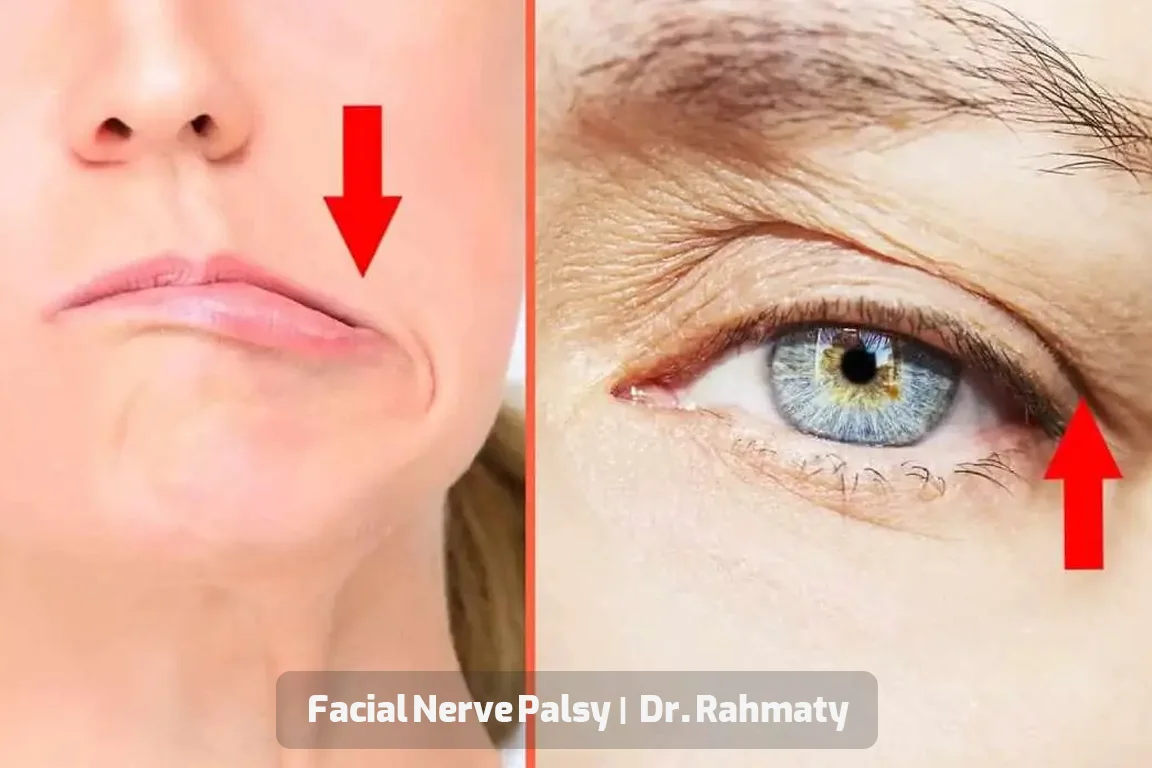
Protecting the eye is one of the most important priorities in facial paralysis treatment. Facial nerve dysfunction can prevent complete eyelid closure, which may expose the cornea to dryness, irritation, and potential injury.
Nerve Transfer can form part of a comprehensive facial reanimation strategy, but it may not be sufficient by itself to restore complete eye closure in every patient. Depending on the severity of the problem, additional treatments or surgical procedures may be recommended to improve eyelid function and protect the ocular surface.
Eye protection should always be considered when evaluating a patient with facial paralysis.
Possible Risks and Complications of Facial Nerve Transfer
Like any surgical procedure, Nerve Transfer has potential risks and complications. Possible complications may include infection, bleeding, postoperative pain, scarring, nerve injury, and problems involving the donor nerve.
Patients should also understand that functional recovery may be incomplete. The resulting facial movement may be weaker than expected or may not achieve complete symmetry.
In some patients, activating facial movement may initially be associated with activation of the original function of the donor nerve. For example, patients undergoing masseteric transfer may initially associate smiling with jaw clenching.
With appropriate rehabilitation, the brain may gradually improve its ability to control the transferred nerve pathway independently.
What Factors Affect the Success of Facial Nerve Transfer?
The outcome of Facial Nerve Transfer depends on multiple factors rather than one single variable.
Duration of Facial Paralysis
The length of time that the facial muscles have remained denervated can influence their ability to respond to new nerve stimulation.
Earlier assessment can therefore provide more opportunities to preserve muscle function and select an appropriate reconstructive strategy.
Condition of the Facial Muscles
Viable muscles generally provide a better foundation for nerve reconstruction. Severe and prolonged muscle atrophy may limit the effectiveness of Nerve Transfer alone.
Location and Severity of Nerve Injury
The exact location and extent of facial nerve damage influence which reconstructive technique is appropriate.
Patient Age and General Health
Overall health, tissue healing capacity, and the patient’s ability to participate in rehabilitation can also influence recovery.
Surgical Expertise
Facial nerve reconstruction requires detailed knowledge of facial nerve anatomy and microsurgical techniques.
A surgeon experienced in Facial Reanimation can evaluate the individual patient’s anatomy and functional goals and develop a treatment plan accordingly.
Facial Nerve Transfer vs. Nerve Grafting
Although both procedures are forms of Facial Nerve Reconstruction, Nerve Transfer and nerve grafting are not the same. In a nerve grafting procedure, a segment of nerve is generally used to bridge a gap between two ends of an injured nerve. In contrast, a Nerve Transfer uses a healthy donor nerve to provide a new source of neural input to the damaged facial nerve system.
The choice between nerve grafting and Nerve Transfer depends on the type and location of the injury. In some complex cases, surgeons may use a combination of reconstructive procedures to achieve the best possible functional outcome.
Facial Nerve Transfer vs. Muscle Transfer
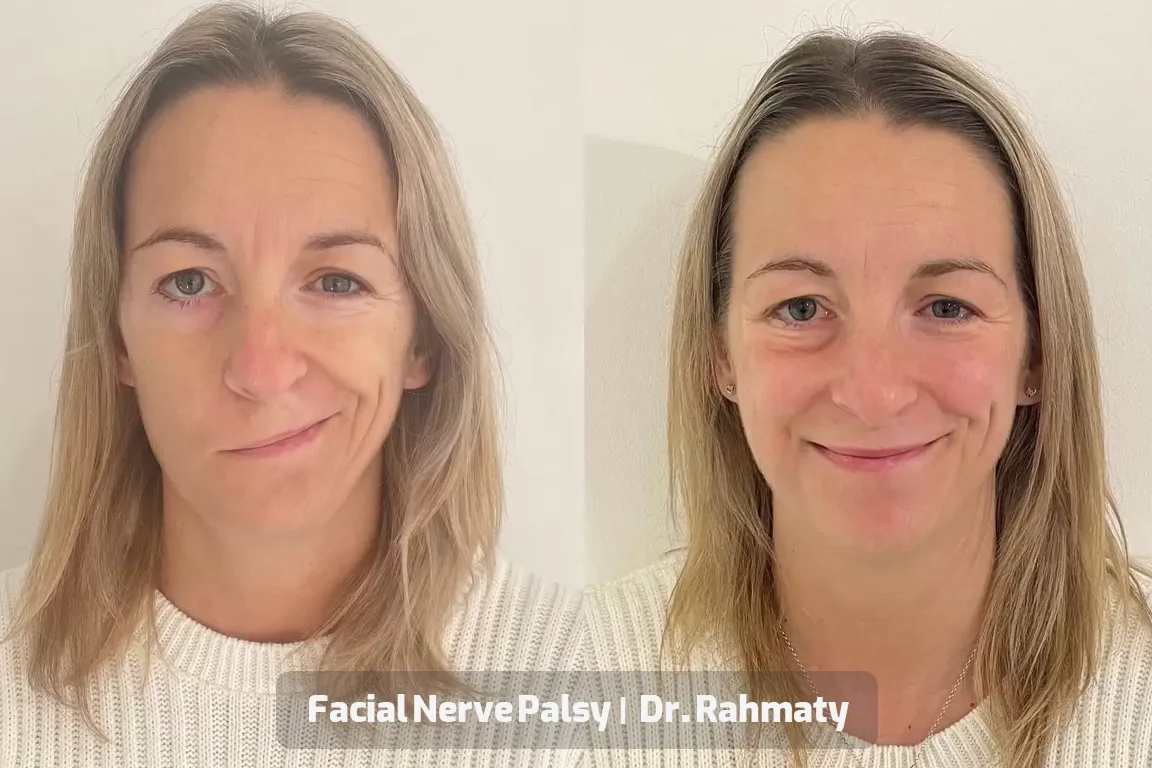
The choice between Nerve Transfer and muscle transfer depends largely on the condition of the existing facial muscles. When the facial muscles remain viable, a nerve transfer may provide an opportunity to restore their function by supplying a new source of neural stimulation.
However, when facial paralysis has been present for many years and the facial muscles have undergone severe irreversible atrophy, they may no longer respond adequately to nerve stimulation.
In these cases, dynamic muscle transfer may provide a better reconstructive option. A transferred muscle can be reinnervated by a suitable donor nerve and used to recreate facial movement. Some patients may benefit from a staged or combined approach involving both nerve and muscle reconstruction.
Is the Result of Facial Nerve Transfer Permanent?
The goal of Nerve Transfer is to establish a stable neural pathway that can provide long-term stimulation to the facial muscles. When successful reinnervation occurs and the facial muscles respond appropriately, the resulting movement can be maintained over time.
However, the quality and coordination of movement can continue to improve with rehabilitation. Long-term follow-up may therefore remain important even after facial movement has returned.
Why Is Choosing the Right Surgeon Important?
Facial Nerve Reconstruction Surgery is a highly specialized field. Choosing the appropriate procedure requires a detailed understanding of facial nerve anatomy, muscle physiology, nerve regeneration, and facial aesthetics.
The goal is not simply to create any facial movement. Ideally, treatment should aim to improve facial symmetry and restore meaningful functions such as smiling, eye closure, oral competence, and facial expression.
A surgeon experienced in facial reanimation can determine whether a patient is better suited for Facial Nerve Transfer, nerve grafting, muscle transfer, or a combination of procedures.
Conclusion
Facial Nerve Transfer, or Nerve Transfer, is an important technique in modern Facial Paralysis Treatment and Facial Nerve Reconstruction. By connecting a healthy donor nerve to the damaged facial nerve system, surgeons can establish a new pathway for nerve signals to reach the facial muscles.
Techniques such as masseteric-to-facial nerve transfer and hypoglossal-to-facial nerve transfer can provide useful options for selected patients. The best approach depends on the cause of facial paralysis, duration of denervation, condition of the facial muscles, location of nerve damage, and the patient’s individual goals.
Nerve Transfer is not an instant solution. Nerve regeneration takes time, and meaningful facial movement often develops gradually. Rehabilitation and neural retraining are therefore essential components of successful Facial Reanimation.
Patients with facial paralysis should undergo a detailed specialist evaluation before choosing a treatment. Depending on the individual situation, options may include direct nerve repair, nerve grafting, Facial Nerve Transfer, muscle transfer, or a combination of reconstructive techniques.
Facial Paralysis Treatment and Facial Nerve Reconstruction With Dr. Benyamin Rahmaty
Patients suffering from facial paralysis or facial nerve injury may benefit from a comprehensive evaluation by a specialist in facial nerve and facial reconstructive surgery. Dr. Benyamin Rahmaty evaluates the underlying cause of facial paralysis, the condition of the facial nerve and muscles, and the patient’s functional goals to determine which reconstructive approach may be most appropriate.
A personalized treatment plan can help determine whether Facial Nerve Transfer, nerve grafting, muscle transfer, or another form of Facial Reanimation is the most suitable option for restoring facial function.