The Golden Time for Facial Nerve Repair
Facial nerve damage can affect facial movement, symmetry, smiling, eye closure, speech, and eating. In severe injuries, facial paralysis surgery timing and the best time for nerve repair become especially important. Early diagnosis can help preserve facial muscles and improve the chances of successful nerve reconstruction.
However, doctors cannot define one fixed treatment timeframe for every patient. The injury type, lesion location, paralysis severity, nerve gap, and muscle condition all influence the treatment decision. This article explains the difference between immediate and delayed treatment and examines how treatment delays can affect facial nerve recovery.

Why Does Timing Matter in Facial Nerve Repair?
After severe facial nerve damage, facial muscles can maintain their ability to respond to nerve signals for a limited period. Without proper nerve stimulation, the muscles gradually lose volume and function.
Early nerve reconstruction gives new nerve fibers more time to reach the facial muscles. Therefore, timely treatment can improve the possibility of restoring useful facial movement. However, delayed treatment does not always eliminate the possibility of recovery. Some patients can still benefit from nerve reconstruction after several weeks or months.
The surgeon must evaluate each patient individually before selecting the appropriate treatment strategy.
What Is the Best Time for Facial Nerve Repair?
For patients with a completely severed facial nerve, immediate repair often provides the best opportunity for functional recovery. When the surgeon can bring both healthy nerve ends together without tension, direct repair usually becomes the preferred option. The surgeon reconnects the nerve ends using microsurgical techniques.
In some traumatic injuries, doctors can perform nerve repair during the initial surgical procedure. This approach can help preserve muscle function and facial symmetry.
When immediate repair proves impossible, early evaluation still remains important. The surgeon can assess the injury and determine whether direct repair, nerve grafting, or another reconstructive technique offers the best option.

Facial Paralysis Surgery Timing After Surgical Injury
Facial nerve injuries can sometimes occur during ear surgery, parotid surgery, or tumor removal. Surgeons may identify the injury during the same procedure. When the surgeon confirms complete nerve disruption, immediate reconstruction can provide an important opportunity for nerve recovery.
If the surgeon removes part of the nerve, direct reconnection may not remain possible. In this situation, facial nerve grafting can bridge the gap between the healthy nerve ends. Some patients develop facial paralysis after completing surgery. Doctors should then evaluate the severity and location of the injury before selecting the next treatment step.
Does a Delay of Several Weeks Affect Nerve Repair?
A delay of several weeks does not necessarily eliminate the possibility of successful reconstruction. However, longer delays can make treatment planning more complicated. The surgeon must evaluate the condition of the nerve ends and facial muscles. Electromyography and other diagnostic tests can provide additional information about muscle function.
Early treatment generally provides better conditions for preserving facial muscle function. However, some patients can still achieve meaningful recovery after a significant delay. Therefore, doctors should not determine treatment solely by counting the days since the injury. They should also consider the injury pattern, muscle condition, and reconstructive possibilities.

Can Doctors Repair the Facial Nerve After Several Months?
Yes, some patients can still undergo facial nerve reconstruction after several months. However, prolonged paralysis increases the risk of facial muscle atrophy. When muscles remain without nerve stimulation for an extended period, they gradually lose their ability to respond effectively.
Doctors may consider nerve repair or grafting when the muscles still show adequate functional potential. Other patients may require techniques such as nerve transfer. Therefore, patients should seek specialist evaluation even when several months have passed since the onset of paralysis.
The Role of Facial Muscles in Treatment Timing
The ultimate goal of nerve reconstruction involves restoring nerve signals to the facial muscles. Therefore, muscle health plays an essential role in treatment planning. Healthy muscles can respond more effectively when new nerve fibers reach them. Prolonged denervation can cause muscle atrophy and structural changes.
For this reason, the best time for nerve repair depends partly on how long the facial muscles have remained without effective nerve stimulation. However, no universal timeframe applies to every patient. Age, injury severity, muscle condition, and other factors can change the expected recovery process.
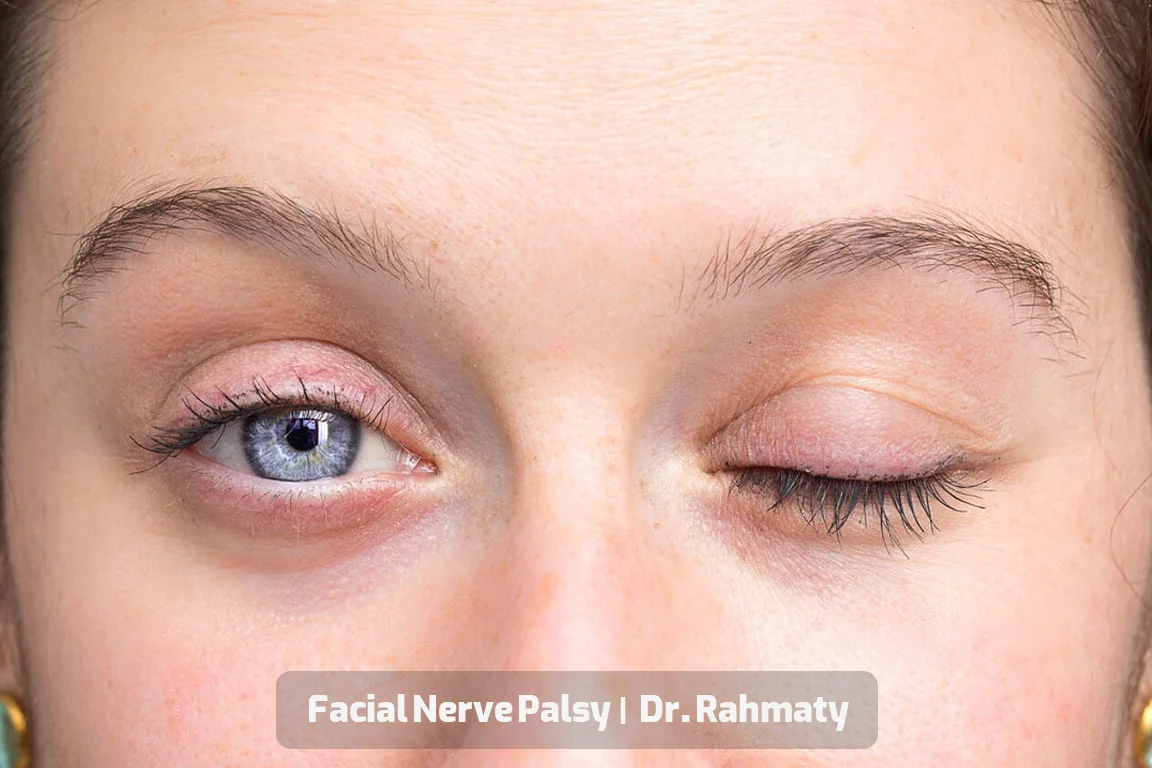
When Does Facial Nerve Grafting Become Necessary?
Treatment timing does not determine the surgical technique by itself. The distance between the two nerve ends also plays an important role. Direct repair works best when the surgeon can reconnect both nerve ends without tension. A large gap may make direct reconnection impossible.
In such cases, facial nerve grafting can provide a bridge between the damaged nerve ends. The graft creates a pathway that allows new axons to grow toward the facial muscles. Therefore, surgeons may use a nerve graft even during relatively early reconstruction when the injury creates a significant nerve gap.
Does Every Case of Facial Paralysis Require Surgery?
No. Facial paralysis does not always result from complete nerve disruption. Many patients with Bell’s palsy recover without reconstructive surgery. Doctors first determine the underlying cause of paralysis. They may use clinical examination, imaging, and electrodiagnostic testing to assess the nerve.
Some patients need observation and medical treatment rather than surgery. Others with severe traumatic injuries may require early nerve reconstruction. This distinction makes accurate diagnosis essential before deciding on facial paralysis surgery timing.
When Does Delayed Treatment Become More Important?
As facial paralysis continues for several months, doctors pay greater attention to muscle condition. Electromyography and other electrodiagnostic tests can help evaluate whether the facial muscles still respond to stimulation.
If the muscles retain sufficient functional potential, doctors may still consider nerve reconstruction. If severe muscle atrophy has developed, other techniques may offer better results. These options can include nerve transfer or free muscle transfer. The surgeon selects the appropriate approach according to the patient’s individual condition.
Is There One Best Time for Facial Nerve Repair?
No single timeframe applies to every patient. The best time for nerve repair depends on several clinical and anatomical factors. The cause of injury represents one important factor. The surgeon also evaluates the injury location, nerve gap, muscle condition, and severity of paralysis.
The patient’s age and general health can also influence treatment planning. Diagnostic test results provide additional information about nerve and muscle function. Therefore, early evaluation remains more important than following a fixed number of days or months.
Why Should Patients Seek Early Evaluation?
Patients with facial paralysis after trauma or surgery should seek specialist evaluation as soon as possible. Early assessment allows the surgeon to determine whether the nerve remains repairable. It can also help identify whether the patient needs direct repair, grafting, nerve transfer, or another technique.
Early diagnosis can preserve valuable treatment opportunities. It can also help the surgeon select a reconstruction method before significant muscle atrophy develops. For this reason, patients should not wait for facial movement to return before seeking professional evaluation after a significant nerve injury.
How Does the Surgeon Determine the Right Treatment?
The surgeon begins by identifying the cause and location of the facial nerve injury. The examination also evaluates facial muscle function and the duration of paralysis. Imaging studies may help identify the location and extent of the injury. Electrodiagnostic tests can provide additional information about nerve and muscle activity.
The surgeon then compares the available reconstructive options. These options may include direct repair, facial nerve grafting, nerve transfer, or muscle transfer. The final decision should match the patient’s anatomy, injury characteristics, and functional goals.
Conclusion
Timing plays a crucial role in facial nerve reconstruction. For complete nerve disruption, immediate repair can help preserve facial muscle function.
When direct repair cannot bridge the nerve gap without tension, facial nerve grafting offers an effective alternative. Early evaluation helps surgeons select the most suitable technique.
Longer delays can increase muscle atrophy and may limit some reconstructive treatment options. However, delayed treatment does not always mean recovery has become impossible.
The best time for nerve repair depends on the patient’s injury, nerve condition, muscle health, and treatment options.
Anyone with traumatic facial paralysis or suspected facial nerve injury should seek evaluation from an experienced facial nerve surgeon promptly.

Consultation with Dr. Benyamin Rahmaty
If you or a family member has facial paralysis or facial nerve damage, timely specialist evaluation can make an important difference. Dr. Benyamin Rahmaty, an ENT surgeon and facial plastic surgery fellowship specialist, provides evaluation and treatment for facial nerve injuries and facial paralysis.
After assessing the cause of the injury, muscle condition, nerve function, and available diagnostic results, he can determine the most appropriate treatment strategy. Depending on the patient’s condition, treatment may include facial nerve repair, facial nerve grafting, nerve transfer, or other facial reanimation techniques.
Early consultation can help identify the appropriate facial paralysis surgery timing and preserve the opportunity for effective facial nerve reconstruction.