Types of Facial Nerve Reconstruction Procedures: A Complete Guide to Facial Nerve Reconstruction Methods and Facial Paralysis Treatment
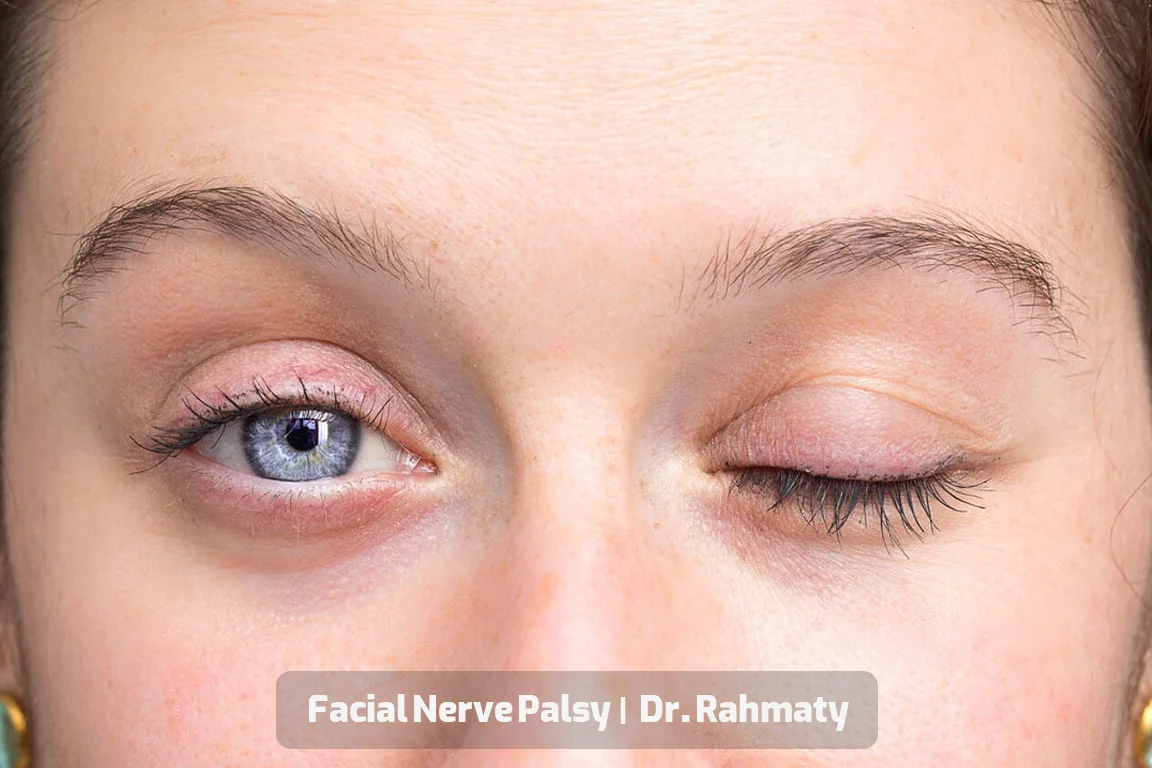
Facial paralysis affects facial movement and essential functions such as speaking, eating, blinking, smiling, and expressing emotions. It often reduces self-confidence and quality of life. Facial nerve reconstruction and Facial Reanimation offer advanced solutions for restoring facial muscle function. Modern microsurgical techniques have improved treatment outcomes for many patients. Treatment selection depends on the cause of nerve injury, paralysis duration, facial muscle condition, patient age, and diagnostic findings. Every patient should receive a comprehensive evaluation from an experienced facial nerve surgeon before treatment.
In this article, we review the latest Facial nerve reconstruction techniques. We discuss each procedure’s advantages, limitations, ideal timing, and factors that influence surgical outcomes.

What Is the Facial Nerve and What Does It Do?
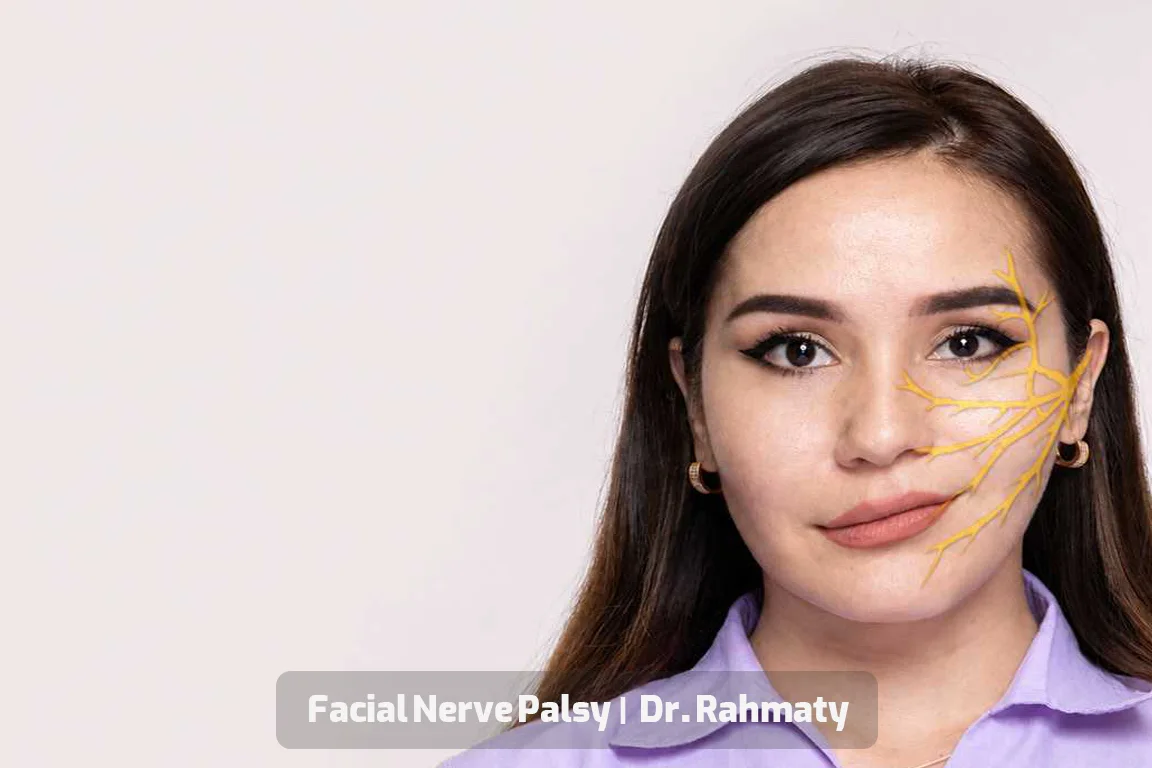
The facial nerve, also known as the seventh cranial nerve, controls most of the muscles responsible for facial expression. It enables movements such as smiling, frowning, raising the eyebrows, closing the eyes, pursing the lips, and displaying a wide range of facial expressions.
In addition to controlling facial muscles, the facial nerve also plays an important role in tear production, salivary secretion, and the sense of taste from part of the tongue.
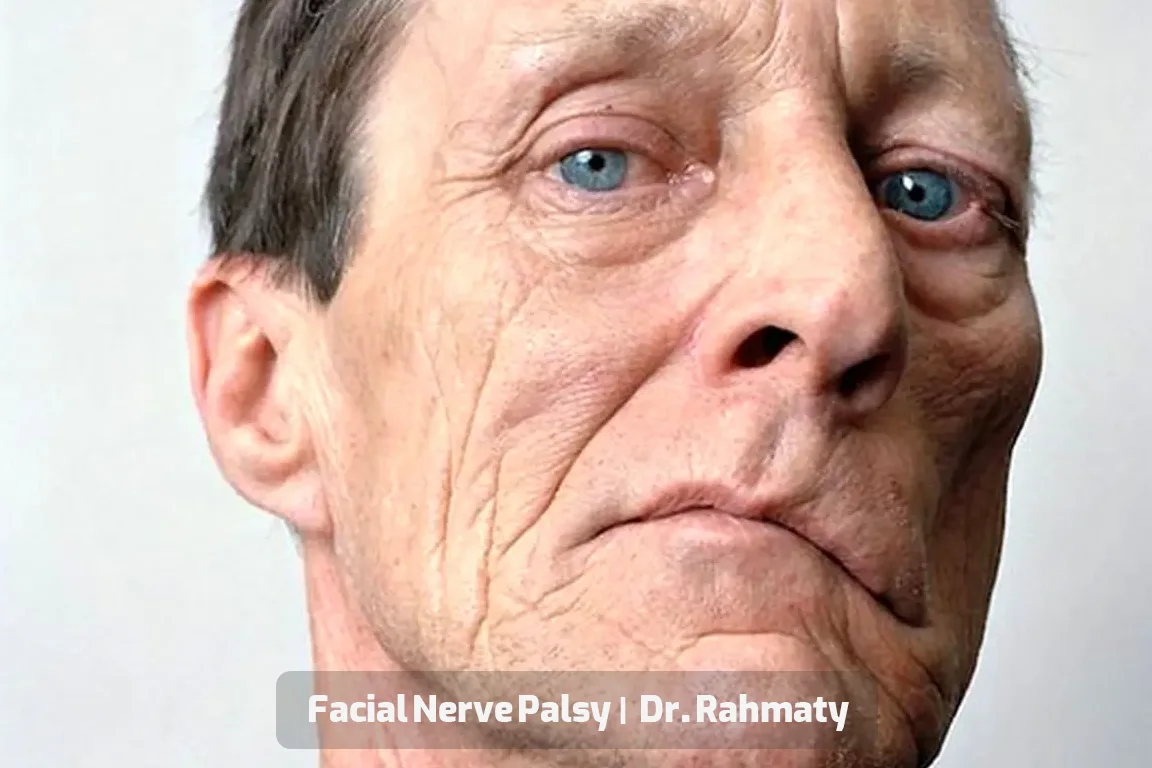
Damage to this nerve can result in weakness or complete paralysis of one side of the face. The severity of symptoms depends on both the location and extent of the injury. While some patients experience only mild weakness, others may completely lose the ability to move one side of the face.
What Causes Facial Paralysis?
Before selecting the most appropriate treatment, it is essential to identify the underlying cause of facial paralysis.
Common causes include:
Bell’s palsy | Traumatic facial injuries | Surgery for skull base or ear tumors | Parotid gland surgery | Facial nerve tumors | Viral or bacterial infections | Congenital disorders | Penetrating facial injuries | Certain neurological diseases
In conditions such as Bell’s palsy, many patients recover without surgery. However, severe injuries or complete transection of the facial nerve usually require surgical intervention.
When Is Facial Nerve Reconstruction Necessary?
Not every patient with facial paralysis requires surgery. If spontaneous nerve recovery is expected, physicians usually begin with medical treatment, physical therapy, and careful follow-up.
However, surgical reconstruction is generally recommended in the following situations:
Complete transection of the facial nerve | No recovery of facial movement after several months | Facial paralysis following tumor removal | Permanent facial paralysis | Loss of normal facial muscle function
The longer complete paralysis persists, the greater the likelihood of irreversible muscle atrophy. Therefore, early evaluation by a facial nerve specialist plays a critical role in achieving the best possible outcome.
Facial Nerve Reconstruction Methods
The choice of treatment depends on several factors, including the duration of paralysis, the location of the injury, muscle viability, and the patient’s overall condition. In some cases, a single procedure is sufficient, whereas others may require a combination of reconstructive techniques.

1. Direct Facial Nerve Repair
If the facial nerve has been injured recently and the two nerve ends remain close together, the surgeon may directly reconnect them using microsurgical techniques.
This procedure preserves the nerve’s natural pathway and generally offers the best functional recovery when performed shortly after the injury.
Advantages
Preserves the natural nerve pathway | High potential for restoring facial muscle function | No need to harvest a donor nerve from another part of the body
Limitations
In many patients, the gap between the severed nerve ends is too large to allow a tension-free direct repair.
2. Nerve Grafting
When direct repair is not possible, a nerve graft is commonly used.
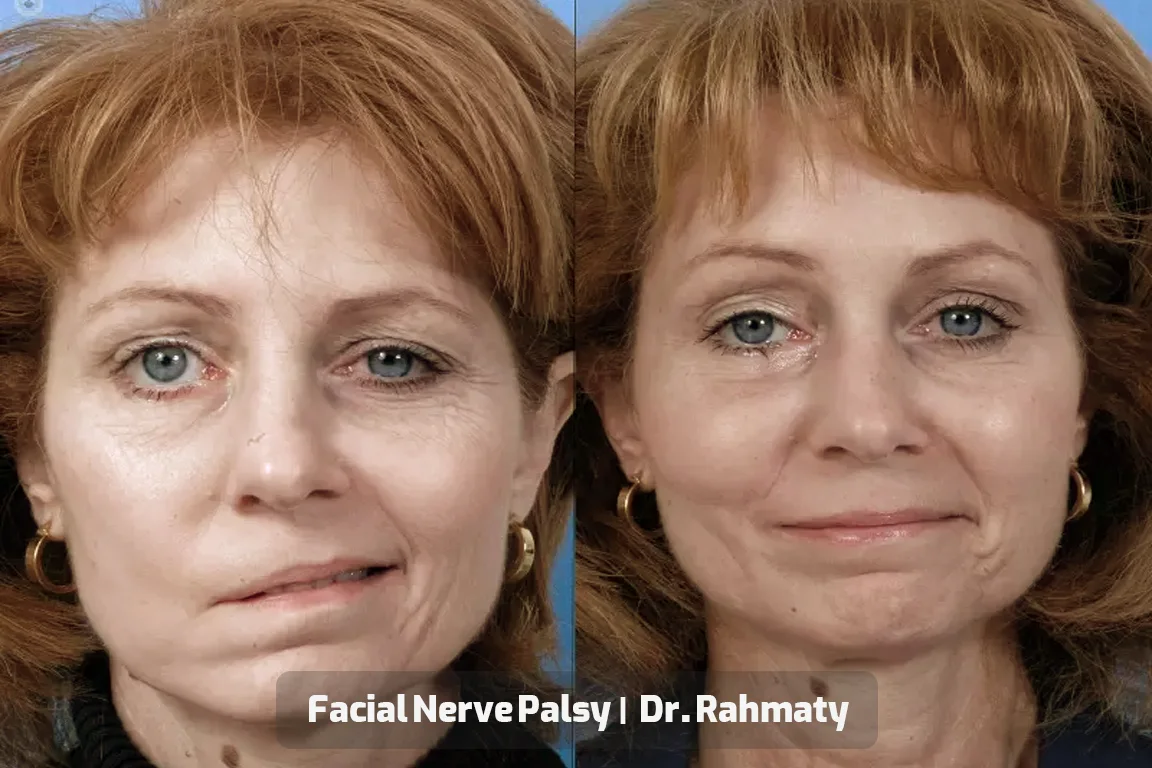
In this procedure, the surgeon harvests a sensory nerve—most commonly the sural nerve from the lower leg or another suitable donor nerve—and places it between the two ends of the facial nerve to bridge the gap.
Over time, regenerating nerve fibers grow through the graft and reconnect with the facial muscles. This process usually takes several months.
Advantages
Allows reconstruction across longer nerve gaps | Maintains the natural route of nerve regeneration | Excellent option for recent nerve injuries
Disadvantages
Requires harvesting a donor nerve | Recovery is relatively slow | Final results depend on the rate of nerve regeneration
3. Nerve Transfer
In some patients, the facial nerve cannot be repaired because it has been extensively damaged or removed. In these situations, healthy nearby nerves can be redirected to restore movement to the facial muscles.
Today, nerve transfer has become one of the most successful facial nerve reconstruction methods.
Masseteric Nerve Transfer
This procedure uses the nerve supplying the masseter muscle, one of the main chewing muscles, to activate the facial muscles.
Because the masseteric nerve is strong and reliable, it often produces a powerful and well-controlled smile.
Advantages
Faster return of movement | Strong muscle activation | Excellent outcomes in chronic facial paralysis
Hypoglossal Nerve Transfer
This technique uses part of the hypoglossal nerve, which controls tongue movement, to reinnervate the facial muscles.
Modern surgical techniques usually transfer only a portion of the nerve, helping preserve normal tongue function while restoring facial movement.
Cross-Facial Nerve Graft
In this procedure, nerve branches from the healthy side of the face are connected to the paralyzed side through a nerve graft.
Its greatest advantage is the ability to produce more natural and spontaneous facial expressions, particularly during smiling. This technique often provides excellent results in younger patients whose facial muscles remain healthy.
4. Free Muscle Transfer
Complete facial paralysis lasting longer than 12 to 18 months may cause irreversible facial muscle atrophy. The affected muscles may lose their ability to respond to nerve stimulation. In these cases, facial nerve repair or nerve grafting alone is no longer sufficient. No functional facial muscles remain available for nerve activation. Instead, a new muscle must be transplanted to restore active facial movement.

The most commonly used muscle for this procedure is the gracilis muscle, located on the inner side of the thigh. During surgery, the muscle is transferred together with its blood vessels and nerve using advanced microsurgical techniques. The surgeon reconnects these vessels and nerves to those in the face, allowing the transplanted muscle to survive and eventually regain function.
Free muscle transfer is considered one of the most advanced procedures in facial reanimation surgery. Although it requires a high level of surgical expertise and a longer recovery period, it offers many patients with long-standing facial paralysis the opportunity to smile again and regain more natural facial movement.
5. Regional Muscle Transfer
Some patients are not ideal candidates for free muscle transfer. For these patients, surgeons can use nearby muscles to restore facial movement. The temporalis and masseter muscles are the most common donor muscles. These muscles provide sufficient strength and improve facial symmetry and mouth movement. Regional muscle transfer is generally less complex than free muscle transfer. It also requires a shorter operation and supports faster recovery. Surgeons often recommend this approach for older patients. It is also suitable for patients who cannot undergo lengthy microsurgical procedures.
6. Static Facial Reanimation Procedures
The primary goal of facial paralysis treatment is to restore facial movement whenever possible. However, this cannot always be achieved, particularly in patients with severe or long-standing paralysis.In these situations, surgeons perform static facial procedures to improve facial symmetry and support weakened tissues. These procedures do not restore active facial movement. Treatment options include facial suspension with fascia grafts, static slings, facelift techniques, and lower eyelid support. Surgeons may also correct drooping at the corner of the mouth. Although these procedures cannot restore voluntary movement, they improve facial balance, oral competence, and overall appearance. Many patients also experience a better quality of life afterward.
7. Eye Protection Procedures
One of the most serious complications of facial paralysis is the inability to close the eyelids completely. Without adequate eyelid closure, the surface of the eye remains exposed, increasing the risk of chronic dryness, corneal ulcers, infection, and even permanent vision loss.
Protecting the eye is therefore one of the highest priorities in the management of facial paralysis. Depending on the patient’s condition, several procedures may be recommended, including implantation of a gold or platinum eyelid weight to facilitate eyelid closure, lower eyelid tightening, canthoplasty, canthopexy, or eyebrow lifting. These procedures are frequently performed alongside other facial paralysis treatment techniques to preserve vision while facial nerve function is being restored.
What Is the Best Time for Facial Nerve Reconstruction?
Timing is one of the most important factors influencing the success of facial nerve reconstruction. In cases of acute nerve injury, early intervention generally offers the greatest chance of restoring facial function because the facial muscles remain healthy and capable of responding to regenerating nerve fibers.
When complete facial paralysis persists for more than a year, prolonged denervation often results in irreversible muscle atrophy. At that stage, nerve grafting alone may no longer be effective, and muscle transfer procedures become the preferred treatment option.
For this reason, delaying evaluation by a facial nerve specialist may reduce the number of reconstructive options available and negatively affect the final outcome.
How Is the Best Treatment Method Selected?
No single reconstructive technique is appropriate for every patient. Choosing the most effective treatment requires a comprehensive evaluation. The evaluation includes the cause of paralysis, nerve dysfunction duration, facial muscle condition, patient age, and overall health. Electromyography (EMG) and nerve conduction studies help evaluate facial muscle viability. These tests determine whether the muscles can respond to nerve regeneration. The findings guide surgeons in selecting nerve repair, nerve grafting, nerve transfer, muscle transfer, or combined procedures.
Because every case is unique, successful facial paralysis treatment should always be individualized according to the patient’s specific clinical condition rather than relying on a single standard treatment protocol.
The Role of Physical Therapy in Facial Paralysis Treatment
Surgery represents only one part of the rehabilitation process. Physical therapy and specialized facial neuromuscular rehabilitation play a crucial role in helping patients regain coordinated facial movement after reconstructive surgery.
Rehabilitation programs typically include facial muscle exercises, smile retraining, massage techniques, neuromuscular re-education, biofeedback therapy when indicated, and exercises designed to reduce unwanted involuntary movements known as synkinesis. These therapies help the brain adapt to newly established neural pathways and improve coordination between facial muscles.
Consistent participation in a structured rehabilitation program significantly enhances the long-term results of facial nerve reconstruction and contributes to better functional and cosmetic outcomes.
Success Rates of Facial Nerve Reconstruction Methods
No facial nerve reconstruction procedure can guarantee identical results for every patient. The success of treatment depends on several factors, including the severity and cause of the nerve injury, the length of time the paralysis has been present, the condition of the facial muscles, the patient’s age, the reconstructive technique used, the surgeon’s experience, and the patient’s commitment to postoperative rehabilitation.
Over the past few decades, remarkable advances in microsurgery and facial reanimation techniques have significantly improved treatment outcomes. Many patients are now able to regain voluntary facial movement, achieve a more symmetrical smile, improve eyelid closure, and restore facial balance to a degree that was not possible in the past. Although complete recovery cannot always be achieved, most patients experience meaningful functional improvement along with a substantial enhancement in their quality of life.
Frequently Asked Questions
Does every patient with facial paralysis need surgery?
No. Not all cases of facial paralysis require surgical treatment. Many patients—particularly those diagnosed with Bell’s palsy—recover with conservative management, including medication, eye protection, and physical therapy. Surgical intervention is generally reserved for patients with severe nerve injuries, complete nerve transection, paralysis following tumor removal, or permanent facial paralysis that does not improve over time.
How long does facial nerve reconstruction take to recover?
Facial nerve regeneration is a gradual biological process that requires patience. After reconstructive surgery, nerve fibers grow slowly toward the target muscles, meaning noticeable improvements often take several months to appear. Depending on the type of procedure performed and the extent of the injury, the final outcome may not become apparent for a year or even longer.
Regular follow-up appointments, adherence to rehabilitation exercises, and realistic expectations all play an important role in achieving the best possible results.
Is complete recovery of facial movement possible?
The extent of recovery varies from one patient to another. Factors such as the underlying cause of paralysis, the duration of nerve damage, the condition of the facial muscles, and the chosen treatment method all influence the final outcome.
While many patients regain significant facial movement and improved symmetry, complete restoration of normal facial function is not always possible. The primary objective of facial nerve reconstruction is to maximize function, improve facial balance, protect essential structures such as the eye, and enhance overall quality of life.
Does age affect treatment outcomes?
Yes. Age is one of several factors that can influence recovery after facial nerve reconstruction. In general, younger patients tend to experience better nerve regeneration and greater muscle responsiveness, which may lead to improved functional outcomes. However, successful treatment is possible across a wide range of ages, and the overall condition of the facial muscles and the timing of treatment are often equally important considerations.
Conclusion
Modern advances in microsurgical reconstruction have transformed the management of facial paralysis. Today, a wide range of facial nerve reconstruction methods—including direct nerve repair, nerve grafting, nerve transfer, free muscle transfer, regional muscle transfer, and static facial reanimation procedures—allow surgeons to tailor treatment according to each patient’s unique condition.
Selecting the most appropriate procedure depends on several factors, including the cause of paralysis, the duration of nerve injury, the health of the facial muscles, and the patient’s overall medical condition. Early diagnosis and timely referral to a facial nerve specialist are essential for maximizing the chances of successful functional recovery.
Although every patient follows a different recovery journey, advances in facial paralysis treatment now make it possible for many individuals to regain facial movement, improve facial symmetry, restore confidence, and enjoy a significantly better quality of life.
Consult a Facial Nerve Specialist to Determine the Best Reconstruction Method
Choosing the most appropriate facial nerve reconstruction procedure requires careful evaluation of multiple factors, including the underlying cause of paralysis, the duration of nerve injury, the condition of the facial muscles, and the patient’s overall health. For this reason, a comprehensive clinical examination and individualized treatment planning are essential before making any therapeutic decisions.
Dr. Benyamin Rahmaty, an Ear, Nose, and Throat (ENT) specialist and Facial Plastic Surgeon, has extensive experience in the diagnosis and surgical management of facial nerve disorders as well as facial reconstructive procedures. Following a thorough assessment, he recommends the most appropriate treatment strategy based on each patient’s specific condition and functional needs.
If you or one of your loved ones is experiencing facial paralysis or has sustained a facial nerve injury, scheduling a consultation with Dr. Benyamin Rahmaty can help you better understand your treatment options and determine the most suitable facial nerve reconstruction approach for your individual case.