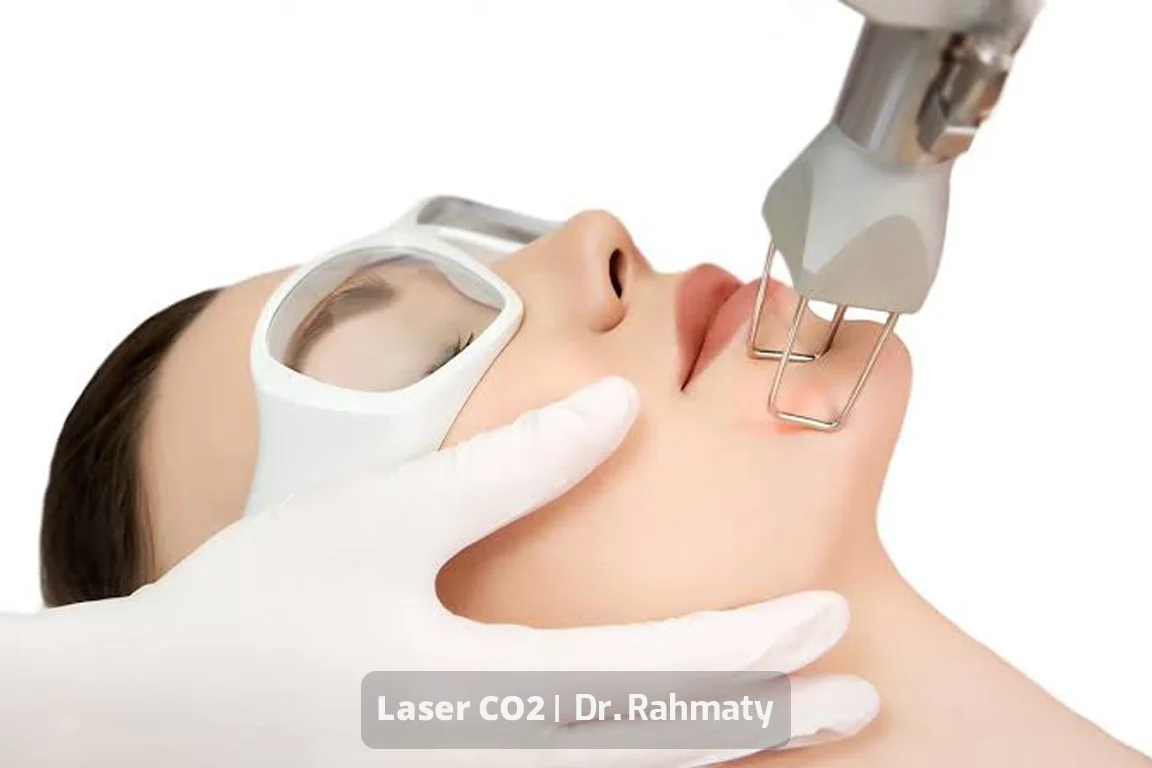
Is CO2 DEKA Laser Suitable for Everyone? A Complete Guide to Ideal Candidates and Contraindications
Fractional CO2 laser is one of the most effective methods for skin rejuvenation and resurfacing. However, before deciding to undergo treatment, it is essential to understand the eligibility criteria for CO2 laser treatment and determine who is considered a suitable candidate for CO2 laser. In recent years, the CO2 DEKA laser has become one of the most popular skin rejuvenation treatments due to its high precision, customizable settings based on each patient’s needs, and remarkable results in improving acne scars, enlarged pores, wrinkles, and certain skin concerns. Nevertheless, treatment success does not depend solely on the quality of the device. Proper patient selection also plays a crucial role in achieving optimal results and minimizing the risk of complications.
Many individuals considering laser treatment for acne scars, skin rejuvenation, or cosmetic skin concerns often ask whether this procedure is appropriate for them. The truth is that factors such as skin type, history of skin disorders, current medications, overall health status, and treatment goals can significantly influence the final decision. Therefore, a professional medical evaluation before treatment is extremely important.

In this article, we will examine who can benefit most from CO2 DEKA laser treatment, who should avoid the procedure, and which factors may influence the safety and final outcome of treatment.
The reality is that not everyone is an ideal candidate for CO2 laser treatment, and in certain situations, undergoing laser therapy may increase the risk of complications or reduce the quality of the results. For this reason, a thorough medical evaluation before treatment is extremely important.
In this article, we will discuss who can benefit from DEKA laser treatment, who should avoid CO2 laser procedures, and which factors contribute to treatment success.
How Does CO2 DEKA Laser Work?
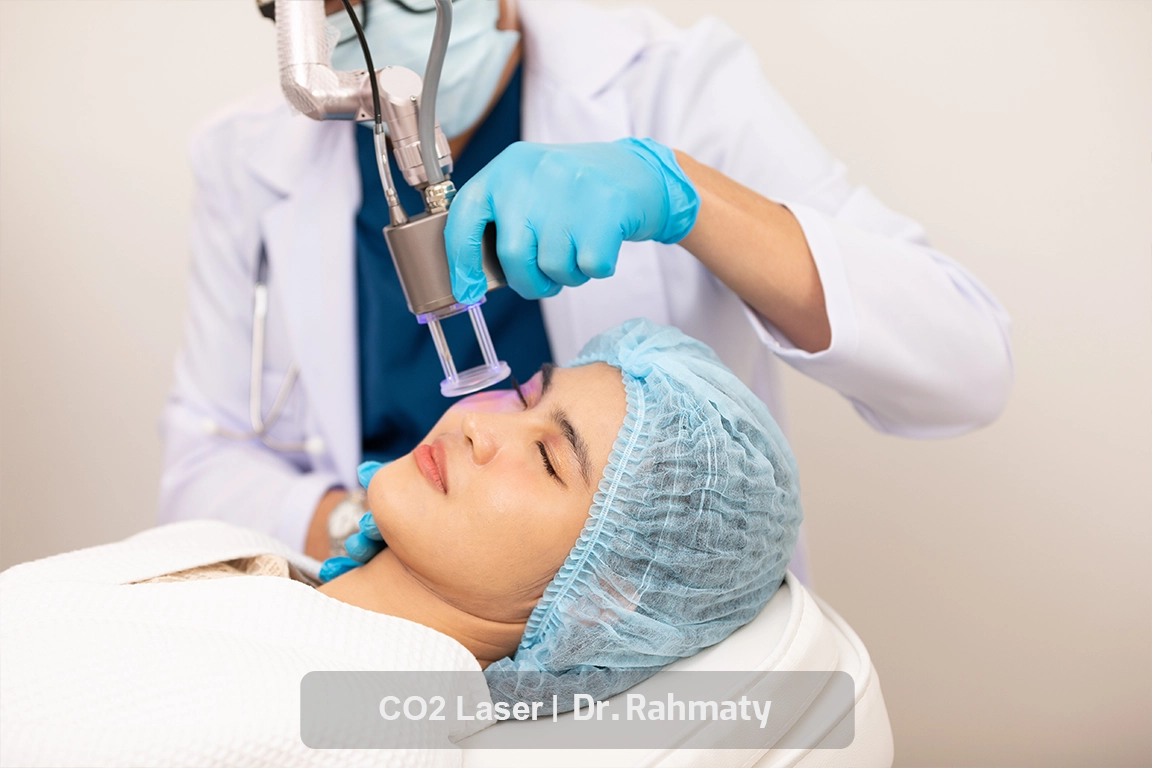
The CO2 DEKA laser uses fractional laser technology to resurface the skin. During this procedure, laser energy is delivered to the skin in highly controlled microscopic columns that affect tiny treatment zones within the skin layers.
This process stimulates the skin’s natural healing mechanisms and increases collagen production. As a result, skin tissue is regenerated, and concerns such as wrinkles, superficial scars, enlarged pores, and certain pigmentation problems gradually improve.
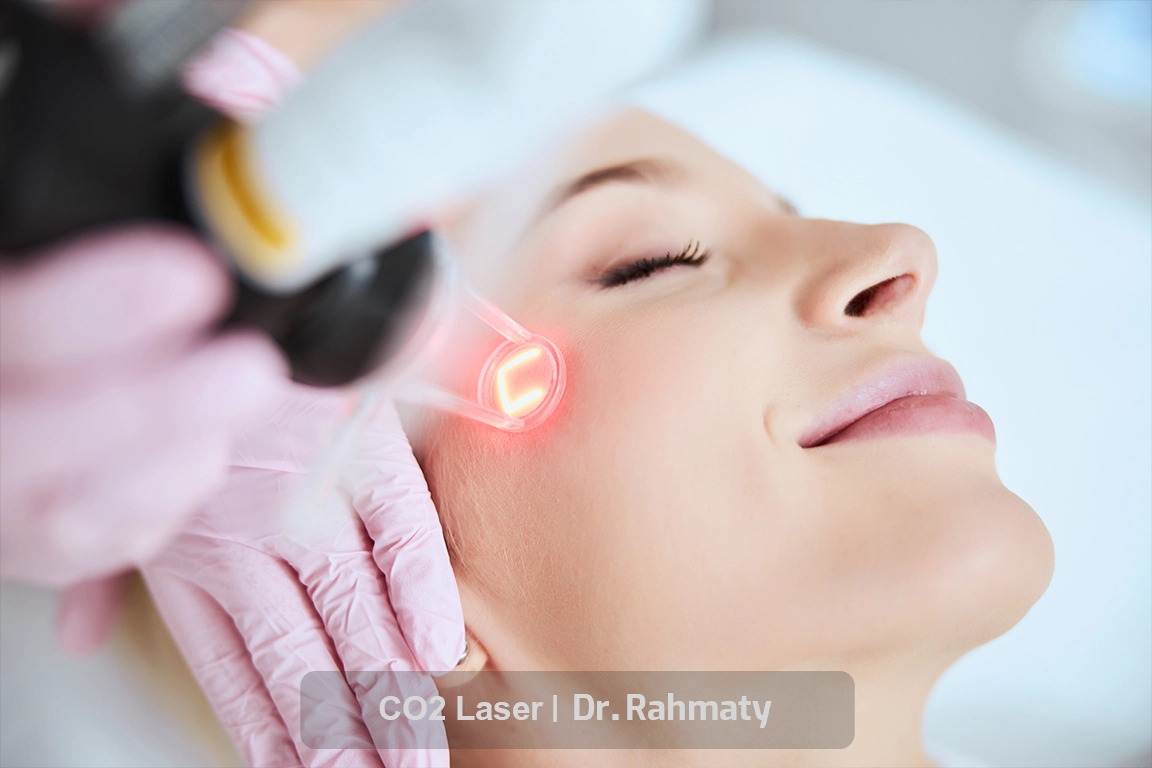
One of the major advantages of the DEKA laser is its ability to produce significant results while preserving a large portion of the surrounding healthy skin. This characteristic helps accelerate healing and reduces the risk of complications.
Treatment results usually become visible gradually over several weeks to several months, and skin quality continues to improve as collagen production progresses.
Ideal Candidates for Treatment
Although CO2 laser has numerous applications, some individuals experience better outcomes than others.
Acne Scars
One of the most important applications of the CO2 DEKA laser is the treatment of acne scars. Many individuals who are left with depressed scars and skin irregularities after acne can benefit from this procedure.
By stimulating new collagen production and remodeling the skin layers, the laser helps reduce the depth of scars. However, the degree of improvement depends on the type and severity of the scars, and multiple treatment sessions may be necessary to achieve optimal results.

Enlarged Pores
Enlarged pores are a common concern, particularly among individuals with oily skin. Fractional CO2 laser can improve skin structure and firmness, helping reduce the appearance of enlarged pores.
Many patients notice smoother skin texture and a more even complexion after treatment.
Wrinkles
The decline in collagen production associated with aging contributes to the development of fine lines and wrinkles. By stimulating skin renewal, DEKA laser treatment can reduce fine lines and some moderate wrinkles.
This treatment is especially suitable for individuals who do not yet have severe skin sagging but want to rejuvenate their skin and improve its quality.
Superficial Pigmentation
Certain sunspots, age spots, and superficial pigmentation concerns may also improve with CO2 laser treatment.
However, the type of pigmentation is highly important, and not all pigment-related conditions respond to this treatment. Therefore, medical evaluation before treatment is essential.
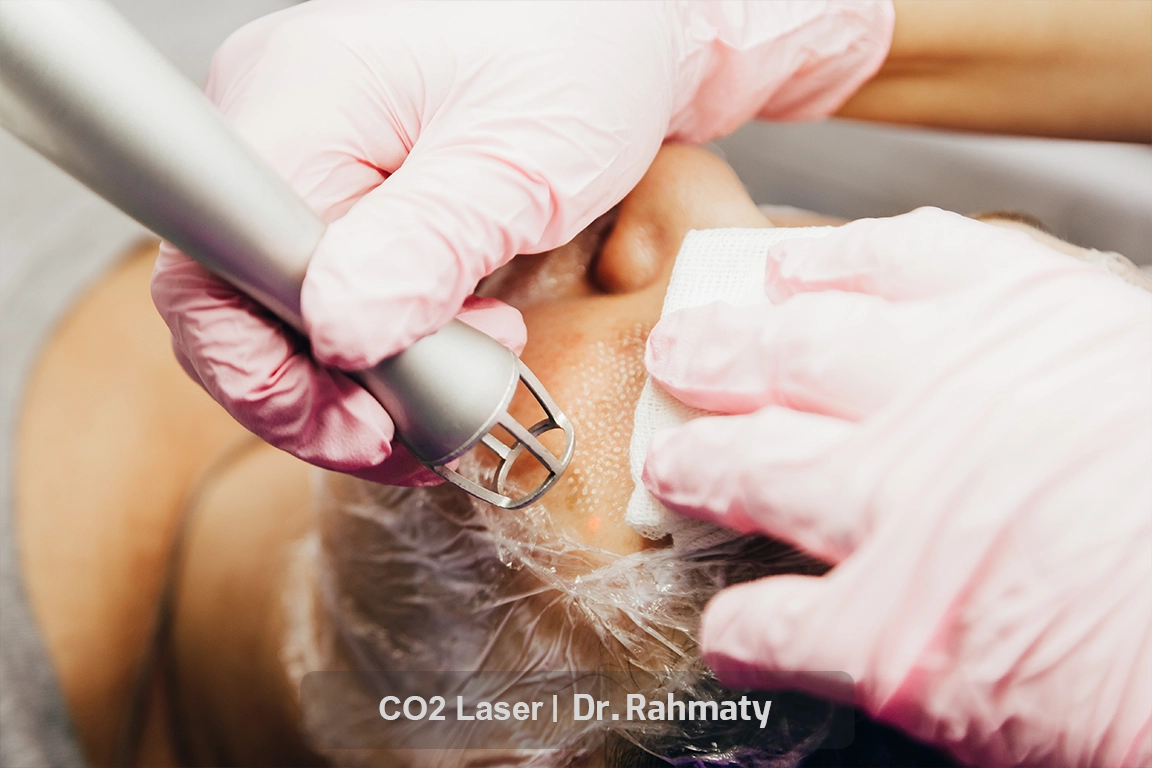
Who Should Avoid CO2 Laser Treatment?
Although this treatment is safe and effective for many individuals, it is not recommended in certain situations or should be performed with great caution.
Pregnancy
Although there is no definitive evidence showing direct harm from CO2 laser treatment during pregnancy, most specialists recommend postponing elective cosmetic procedures until after childbirth.
Hormonal changes during pregnancy may also influence skin healing and treatment outcomes.
Active Skin Infection
Individuals who have active skin infections, cold sores, open wounds, or severe inflammation in the treatment area should postpone laser treatment until complete healing occurs.
Performing laser treatment under these conditions may worsen inflammation, spread infection, or interfere with the healing process.
Certain Medications
Some medications may increase skin sensitivity to light or interfere with the healing process. Recent use of isotretinoin (Accutane) is one of the most important factors that should always be discussed with the physician.
During the consultation, the physician will review the patient’s medication history and determine the appropriate timing for treatment if necessary.
History of Keloid Formation
Individuals with a history of hypertrophic or keloid scars may have a higher risk of abnormal healing complications.
For these patients, careful evaluation before treatment is extremely important, and alternative treatment options may sometimes be recommended.
Does Skin Type Affect the Results?
Yes. Skin type is one of the most important factors that can influence treatment outcomes and the risk of complications.
Individuals with lighter skin tones are generally considered ideal candidates for CO2 laser treatment because they have a lower risk of post-inflammatory pigmentation changes.
Laser treatment can also be performed on darker skin types, but it requires more precise device settings, careful selection of treatment parameters, and meticulous post-treatment care. Otherwise, the risk of hyperpigmentation or hypopigmentation may increase.
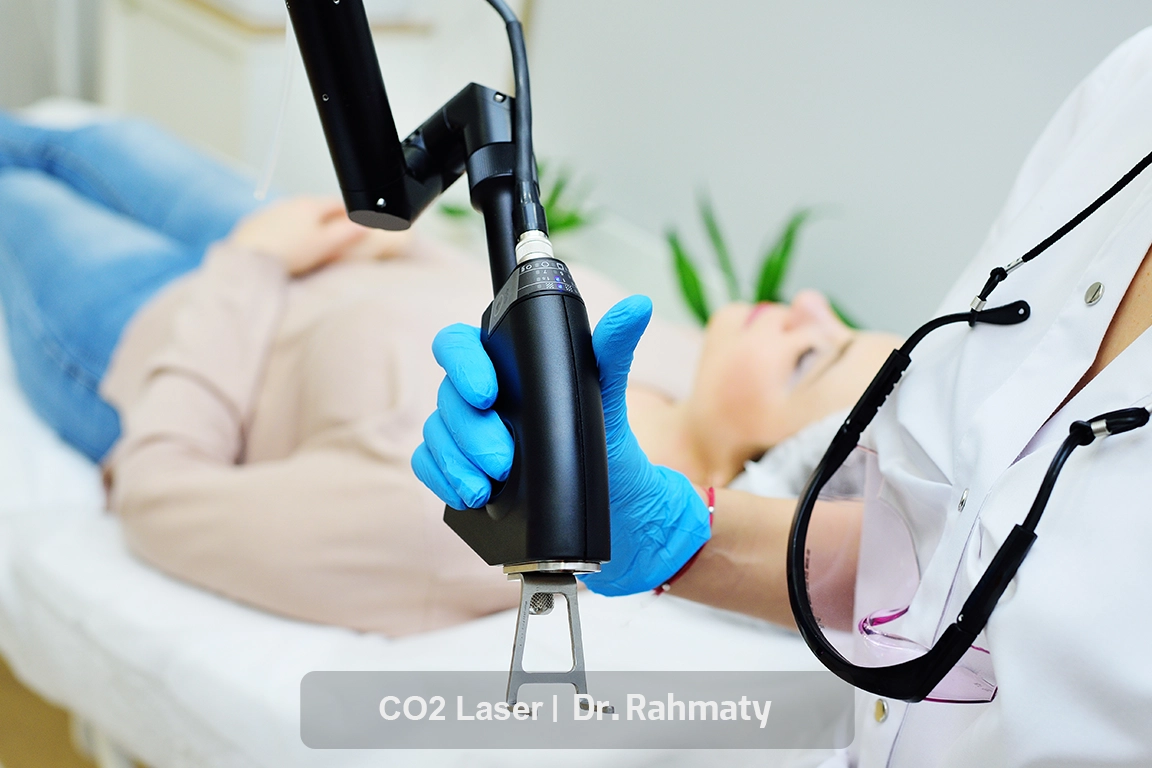
In addition to skin color, factors such as skin thickness, oil production, history of skin diseases, and the skin’s healing capacity also influence the final results.
For this reason, two individuals with similar skin concerns may experience different treatment outcomes.
What Does the Pre-Treatment Evaluation Include?
Before performing CO2 DEKA laser treatment, the physician should conduct a comprehensive evaluation of the patient. This step plays a critical role in improving both safety and treatment success.
The consultation usually includes the following:
Skin Type Assessment
The physician evaluates skin type, sensitivity, skin tone, and the potential risk of pigmentation complications.
Medical History Review
Skin disorders, wound-healing abnormalities, underlying medical conditions, and a history of herpes infections should all be reviewed.
Medication Review
Patients should inform their physician about all medications they are taking, including topical medications, hormonal treatments, and medications that may affect wound healing.
Establishing Treatment Expectations
One of the most important parts of the consultation is determining the patient’s expectations. The physician explains the degree of improvement that can realistically be achieved and whether laser treatment is the most suitable option.
Decision-Making Checklist Before Undergoing Laser Treatment
If you are considering CO2 DEKA laser treatment, ask yourself the following questions before making a final decision:
Is my treatment goal to improve scars, enlarged pores, wrinkles, or superficial pigmentation?
Am I currently not pregnant?
Do I have no active infection or inflammation in the treatment area?
Do I have no history of keloid or abnormal scarring?
Have I informed my physician about all medications I take?
Am I prepared to follow post-treatment care instructions?
Do I have realistic expectations about the treatment results?
If your answer to most of these questions is yes, you are likely a suitable candidate for professional evaluation and CO2 laser treatment.
Schedule a Consultation to Determine Whether CO2 Laser Is Right for You
The suitability of CO2 DEKA laser treatment depends on multiple factors, including skin type, severity of skin concerns, medical history, and overall health status. Therefore, treatment decisions should never be based solely on other people’s experiences or information found online.
The best way to determine whether this treatment is appropriate for you is to undergo a professional skin evaluation performed by an experienced physician. During this consultation, it can be determined whether CO2 laser is the most suitable option or whether another treatment may provide better results.

If you would like to evaluate your candidacy for CO2 laser treatment and receive professional consultation, you can contact Dr. Benyamin Rahmaty’s office to schedule an appointment and assessment.